
news
Why Needle Resistant Gloves Are Essential in Healthcare
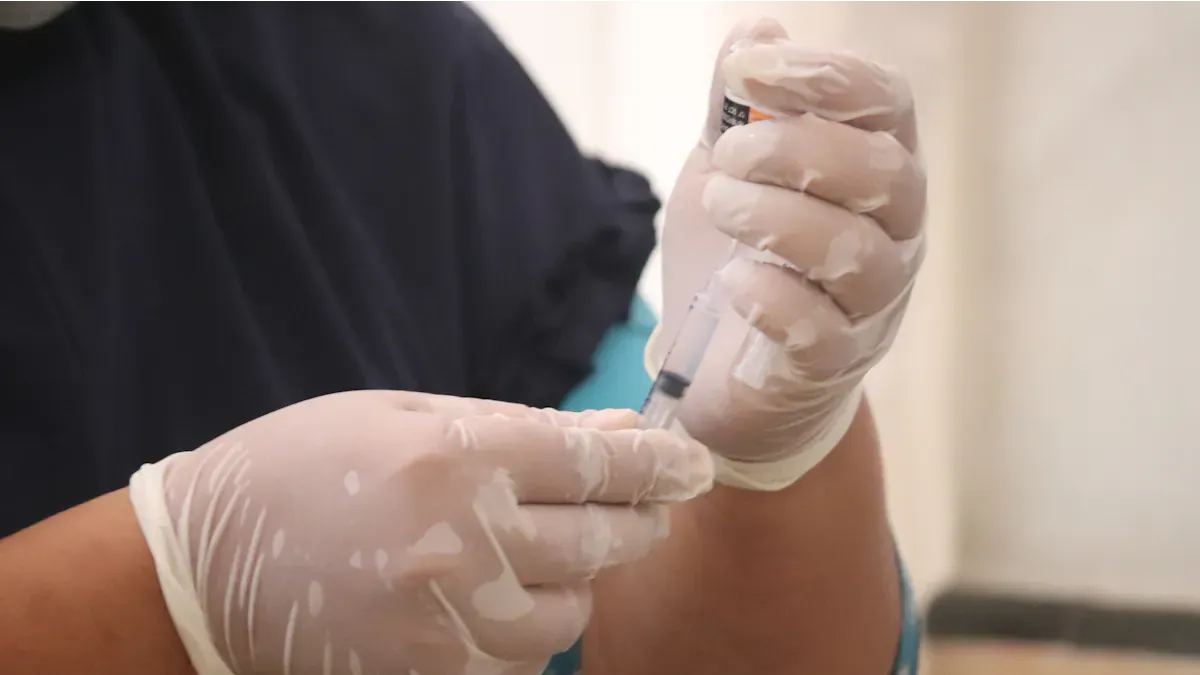
Needlestick injuries pose a serious risk to healthcare workers, with approximately 385,000 sharps-related injuries occurring annually in US hospitals alone. These injuries not only endanger the health of professionals but also jeopardize patient care. Needle resistant gloves play a vital role in enhancing safety by providing an extra layer of protection. They help reduce the incidence of injuries, ensuring that healthcare workers can focus on their patients without the fear of exposure to bloodborne pathogens.
In fact, studies show that double gloving can prevent contamination in 82% of cases where the outer glove is perforated.
By prioritizing the use of needle resistant gloves, healthcare facilities can create a safer environment for both staff and patients.
Key Takeaways
- Needlestick injuries pose a significant risk to healthcare workers, with 385,000 incidents reported annually in the US. Using needle resistant gloves can greatly reduce this risk.
- Double gloving can prevent contamination in 82% of cases where the outer glove is punctured, enhancing safety during medical procedures.
- Needle resistant gloves are designed with materials that resist cuts and punctures, providing healthcare workers with an extra layer of protection against bloodborne pathogens.
- Comfort and dexterity are crucial; needle resistant gloves fit snugly and allow for precise movements, reducing hand fatigue during long shifts.
- Training and awareness programs are essential for effective glove usage, helping staff understand risks and proper techniques to minimize needlestick injuries.
Understanding Needlestick Injuries
Definition and Statistics
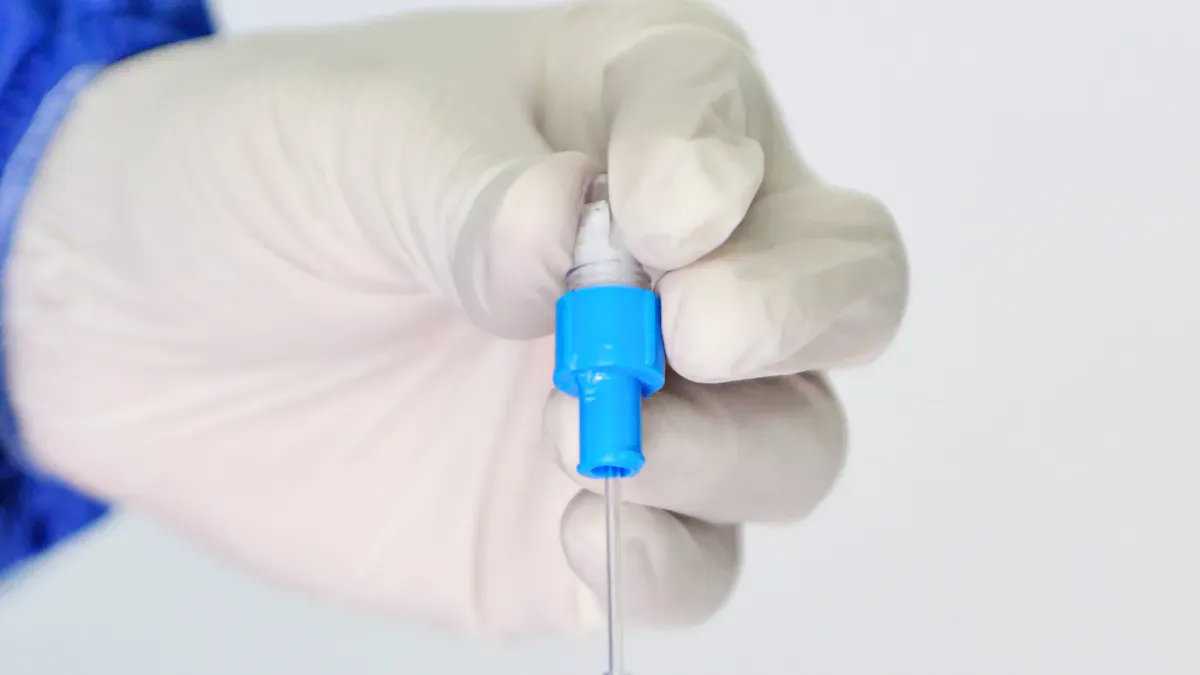
Needlestick injuries (NSIs) refer to penetrating wounds caused by instruments that may carry another person's body fluids. Major health organizations like the World Health Organization (WHO) and the United States National Institute of Occupational Safety and Health (NIOSH) define these injuries as resulting from devices such as hypodermic needles, blood collection needles, and intravenous (IV) stylets.
The statistics surrounding needlestick injuries are alarming. The overall incidence among healthcare workers (HCWs) stands at 43%. In Africa, the rate is even higher, reaching 51%. The WHO African Region reports the highest incidence among all WHO regions at 52%. Interestingly, women experience needlestick injuries more frequently than men. Among the diseases transmitted through NSIs, the hepatitis C virus is the most common, accounting for 21% of cases.
Common Causes and Scenarios
Several factors contribute to the occurrence of needlestick injuries in healthcare settings. Here are some of the most common causes:
| Cause of Needlestick Injury | Frequency |
|---|---|
| Syringe needles | 82 |
| Crowded wards | 74 |
| Heavy workloads | N/A |
| Inadequate nurse to patient ratio | N/A |
| Frequent shifts | N/A |
| Excessive fatigue | N/A |
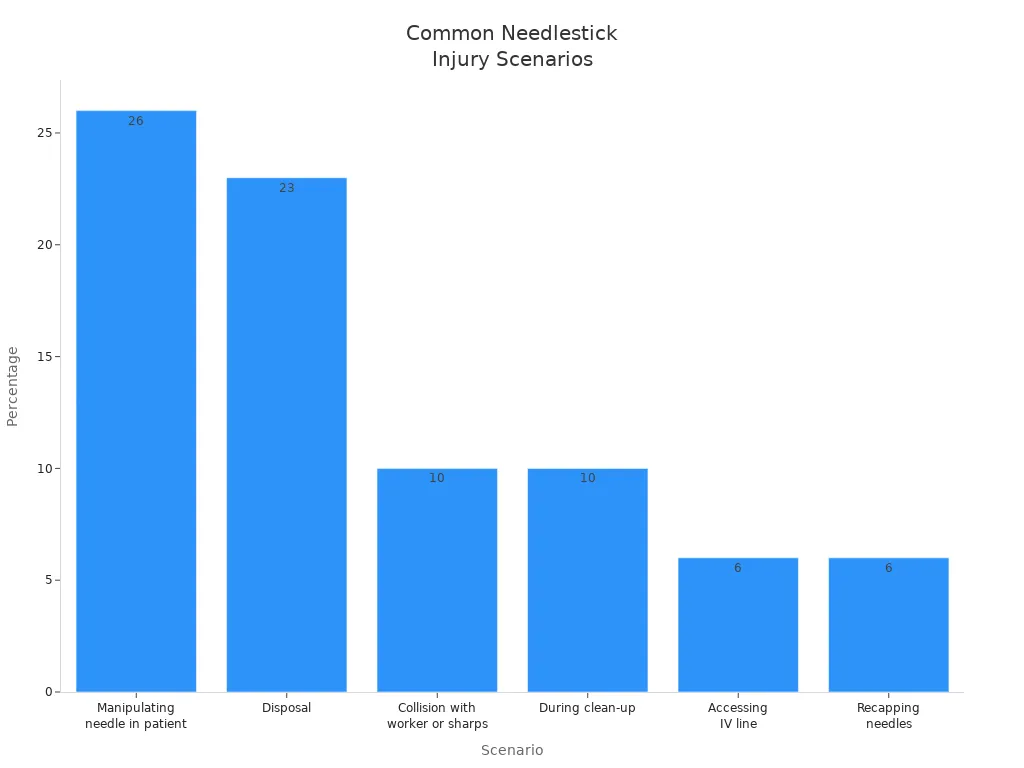
In addition to these causes, specific scenarios often lead to needlestick injuries. The following table highlights the most frequent situations:
| Scenario | Percentage |
|---|---|
| Manipulating the needle in the patient | 26% |
| Disposal | 23% |
| Collision with worker or sharps | 10% |
| During clean-up | 10% |
| Accessing IV line | 6% |
| Recapping needles | 6% |
Understanding these definitions, statistics, and common causes can help healthcare facilities implement better safety measures, including the use of needle resistant gloves, to protect their staff and patients.
The Risks Associated with Needlestick Injuries
Health Risks for Healthcare Workers
Needlestick injuries can have serious health implications for healthcare workers. Each year, hundreds of thousands of these professionals face exposure to dangerous viruses due to these injuries. The most common viruses include:
- Hepatitis B Virus (HBV): This virus poses a high risk, especially if the source patient is HBeAg-positive.
- Hepatitis C Virus (HCV): The likelihood of infection from a needlestick injury is about 1.8%.
- HIV: Although the transmission rate is lower, it still poses a significant risk.
In fact, healthcare workers can experience over 1,000 infections annually from these viruses. The psychological impact is also noteworthy. Many workers report feelings of anxiety, depression, and even post-traumatic stress disorder after experiencing a needlestick injury. A study found that nearly half of healthcare workers had faced at least one needlestick injury in the past year, leading to increased stress and burnout.
Potential for Disease Transmission
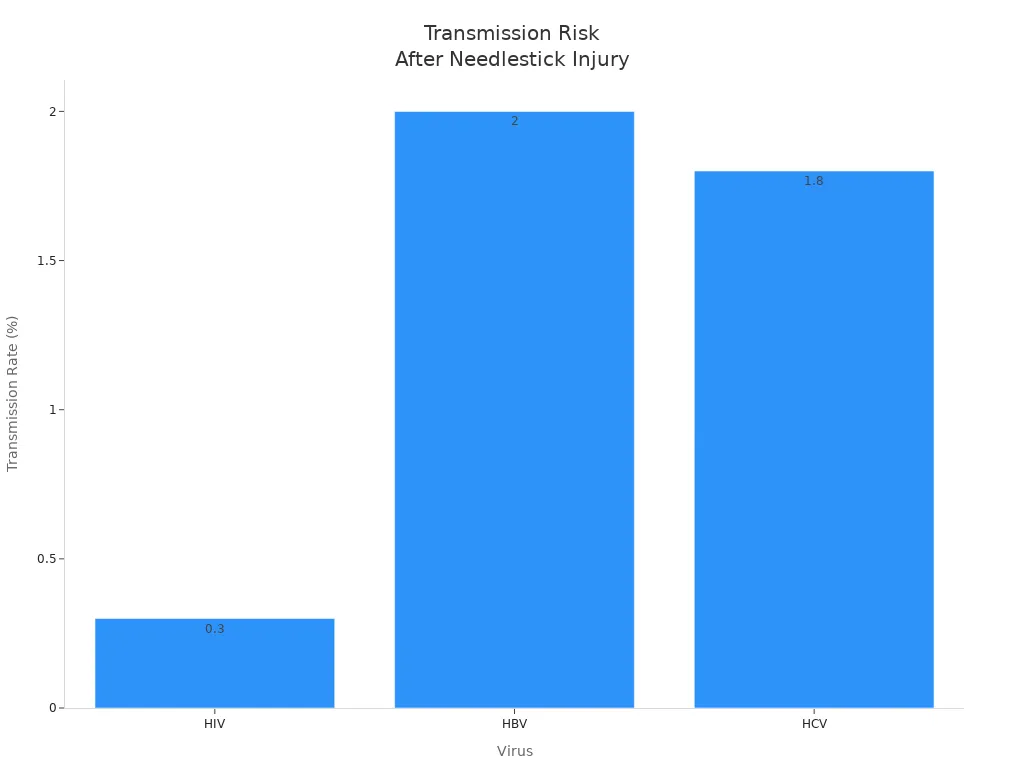
The potential for disease transmission through needlestick injuries is alarming. The transmission rates for various diseases are as follows:
| Virus | Transmission Rate after Needlestick Injury | Notes |
|---|---|---|
| HIV | 0.3% (1 in 300) | Can increase up to 5% in high-risk scenarios. |
| HBV | 2% | Up to 100 times more infectious than HIV. |
| HCV | 1.8% | Average risk after a hollow-bore needle injury. |
Healthcare workers must remain vigilant. Symptoms of hepatitis C may not appear for 20 to 30 years, leading to undiagnosed cases. Approximately 85% of those infected with hepatitis C may develop chronic liver infections, which can increase the risk of cirrhosis and liver cancer.
To mitigate these risks, using needle resistant gloves is essential. These gloves provide an extra layer of protection, helping to reduce the chances of exposure to bloodborne pathogens.
Benefits of Needle Resistant Gloves
Enhanced Protection Features
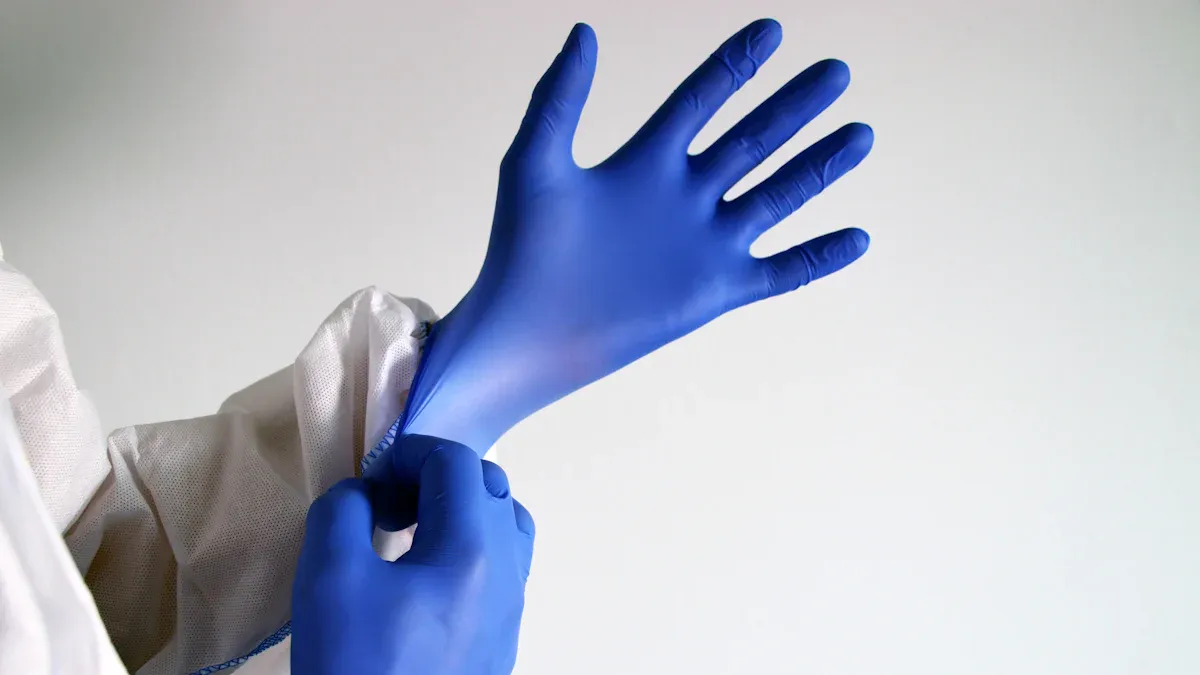
Needle resistant gloves offer much more than the usual barrier that standard medical gloves provide. They are specially designed to stop needle punctures, which makes a huge difference in healthcare settings. These gloves undergo rigorous testing with different gauge hypodermic needles to make sure they can handle the sharpest threats. Unlike regular gloves, they use materials like nitrile polymer that resist both cuts and punctures. This extra strength helps reduce the risk of injuries that could expose healthcare workers to dangerous diseases such as HIV and hepatitis.
Think about it: when a healthcare worker wears these gloves, they get an added layer of defense that standard gloves simply don’t offer. This protection not only lowers the chance of accidents but also builds confidence during procedures that involve needles. It’s a smart investment in safety that can prevent serious health problems down the line.
Improved Comfort and Dexterity
Comfort matters a lot when healthcare professionals wear gloves for long hours. Needle resistant gloves are made to fit snugly and follow the natural shape of the hand. This ergonomic design allows workers to move their fingers freely and perform delicate tasks with precision. After all, healthcare workers need to feel confident and steady when handling needles or performing injections.
Here’s what healthcare professionals appreciate about these gloves:
- They fit well without feeling bulky or stiff.
- They allow precise movements needed for medical procedures.
- They reduce hand fatigue during long shifts.
- They help maintain a strong grip, even when hands get sweaty.
These gloves don’t just protect—they also support the wearer’s ability to work efficiently and safely. Many healthcare workers report that needle resistant gloves improve their overall safety by cutting down on accidental cuts and punctures. Plus, wearing these gloves helps them meet safety regulations, which is important for both personal protection and workplace compliance.
When safety and comfort come together, healthcare workers can focus on what matters most: caring for their patients without worry.
Choosing the Right Needle Resistant Gloves
Selecting the right needle resistant gloves is crucial for healthcare workers. With the high risk of injuries in healthcare settings, it’s important to consider several key features when making a choice.
Key Features to Look For
When choosing needle resistant gloves, keep these features in mind:
- Material Types: Look for gloves made from high-performance materials like High-Performance Polyethylene (HPPE) or steel fibers. These materials provide superior cut and puncture resistance, ensuring optimal protection.
- Design Considerations: The design of the gloves should enhance their effectiveness against needlesticks. A snug fit and ergonomic design can improve usability.
- Fit and Comfort: Comfort is vital, especially during long shifts. Gloves that fit well and allow for natural hand movement can reduce fatigue and improve performance.
Here’s a quick overview of how different materials and designs can affect glove performance:
| Material/Design Feature | Benefit |
|---|---|
| High-Performance Polyethylene (HPPE) | Provides superior cut and puncture resistance |
| Steel Fibers | Enhances durability and protection against sharp objects |
| Nylon | Offers comfort and breathability |
| 18-gauge knitted liner | Ensures a comfortable fit for long wear |
| Crinkle latex palm coating | Improves grip and control in dry conditions |
| ANSI cut resistance level A9 | Ensures top-tier safety for handling sharp objects |
| Needle puncture resistance level 5 | Protects against needlestick injuries |
| Lightweight design | Reduces fatigue during extended use |
Certifications and Standards
It’s also essential to ensure that the gloves meet specific certifications and standards for healthcare use. Here are some key certifications to look for:
| Certification/Standard | Description |
|---|---|
| FDA Regulations | Ensures safety and effectiveness of medical gloves under 21 CFR 880.6250, covering materials, labeling, and performance. |
| EN Standards | Governs the certification of medical gloves in Europe, ensuring consistent quality and performance, including EN 455 for single-use gloves. |
| Testing Requirements | Gloves must undergo rigorous testing for barrier effectiveness, tensile strength, and puncture resistance to ensure they meet medical standards. |
By considering these features and certifications, healthcare facilities can select the best needle resistant gloves to protect their staff effectively.
Implementing Needle Resistant Gloves in Healthcare Settings
Training and Awareness Programs
Training and awareness programs play a crucial role in the effective use of needle resistant gloves. Healthcare facilities should prioritize educating their staff about the risks associated with needlestick injuries. This education can help workers understand the importance of using needle resistant gloves and how they can protect themselves and their patients.
Here are some key components of effective training programs:
- Understanding Risks: Workers should learn about the potential health risks linked to needlestick injuries, including the transmission of diseases like HIV and hepatitis.
- Proper Usage: Training should cover how to wear and remove gloves correctly to minimize contamination.
- Double Gloving: Research shows that wearing an additional pair of gloves can significantly enhance protection against needle penetration. This practice can be particularly beneficial during high-risk procedures.
Best Practices for Usage
To maximize the effectiveness of needle resistant gloves, healthcare workers should follow these best practices:
- Choose the Right Material: Select nitrile gloves for high-risk procedures due to their puncture resistance. For general exams, latex gloves can be used if allergies are not a concern. Vinyl gloves are suitable for low-risk tasks.
- Consider Allergies: In environments where latex allergies are a concern, using nitrile or vinyl gloves ensures safety for all staff members.
- Ensure Proper Fit: Gloves should fit well to avoid discomfort and reduce the risk of tears during procedures. A snug fit enhances dexterity and control.
- Prioritize Comfort: For prolonged use, opt for gloves that provide comfort, such as latex or nitrile, and consider powder-free options to prevent skin irritation.
Healthcare facilities can ensure compliance with these protocols by implementing strict guidelines that emphasize proper glove usage, hand hygiene, and safe handling of sharps. For instance, healthcare workers should avoid recapping needles and dispose of used needles in puncture-resistant containers located near the use area.
By fostering a culture of safety and awareness, healthcare facilities can significantly reduce the risk of needlestick injuries and enhance the overall safety of their staff.
SIZA's Nitrile Coated Cotton Jersey Gloves S1180N
Product Overview
SIZA's Nitrile Coated Cotton Jersey Gloves S1180N are designed for general-purpose use in various industries, including healthcare. These gloves combine comfort and protection, making them an excellent choice for professionals who need reliable hand safety. With a length of 26 cm, they provide ample coverage while allowing for flexibility and ease of movement.
Key Features and Benefits
These gloves stand out in the market due to their unique features. Here’s a quick look at what makes them special:
| Feature | Description |
|---|---|
| Material | Nitrile with a soft cotton lining |
| Application Type | General Purpose |
| Powder-free | Yes |
| Texture | Smooth |
| Sterile / Non-Sterile | Non-Sterile |
| Other features | Flexible, Silicone-free |
| Customizable | Yes |
| Color | Blue |
| Sizes Available | M, L, XL, 2XL |
| Protective Features | Waterproof, Anti-acid, Anti-alkali, Anti-oil |
These gloves offer excellent grip and liquid resistance, making them ideal for handling various materials. The nitrile coating ensures durability, while the cotton lining provides comfort, especially during long shifts.
Healthcare professionals appreciate that these gloves are not only protective but also comfortable to wear. They help reduce hand fatigue, allowing workers to focus on their tasks without distraction. Plus, the gloves are customizable, which means facilities can add their branding for a professional touch.
Needle resistant gloves are essential in preventing injuries in healthcare settings. They provide crucial protection against needlestick injuries, which can lead to serious health risks. Many healthcare professionals have shared their positive experiences, emphasizing how these gloves make them feel safe and secure during their work.
Healthcare facilities should prioritize adopting needle resistant gloves as part of their standard safety protocols. By doing so, they can significantly reduce the risk of injuries and enhance the overall safety of their staff.
Ongoing education and training on safety practices are vital. Regular training sessions can help staff understand the importance of using these gloves and how to handle sharps safely.
Remember, a safer workplace leads to better patient care!
0users like this.
