
news
Why ANSI A9 Gloves Are Essential for Safety in 2026
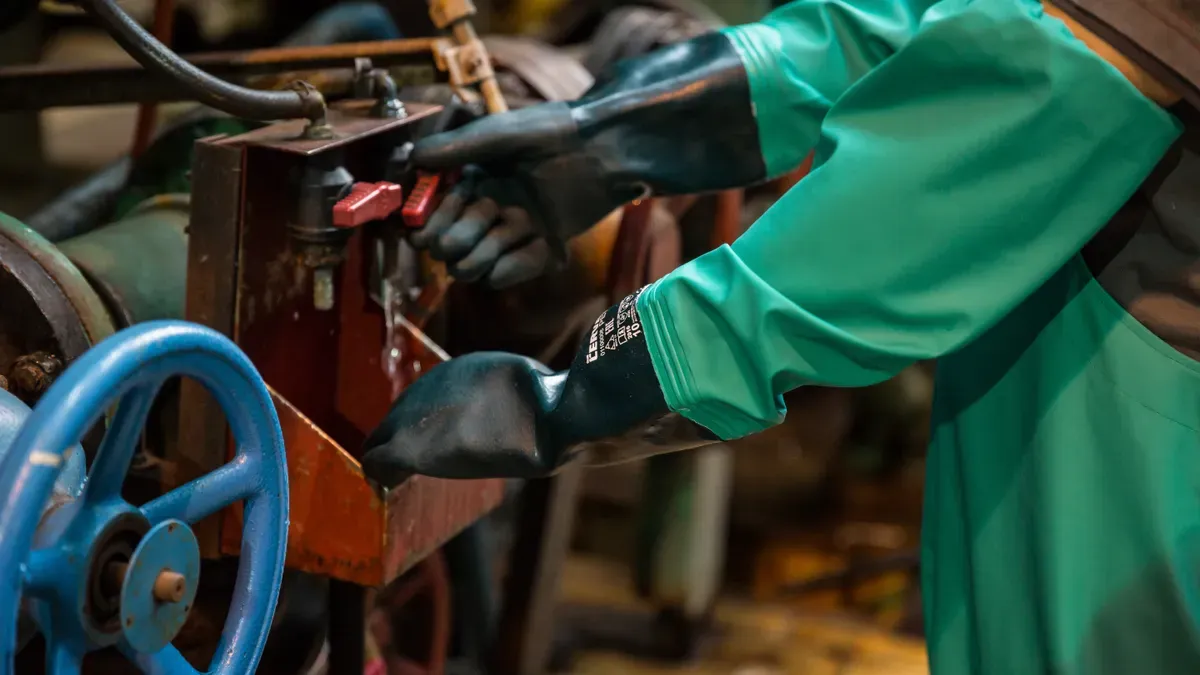
In today's workplaces, the demand for cut protection continues to grow. Workers face various hazards, making safety gear essential. ANSI A9 gloves play a crucial role in meeting these safety standards, offering high-level cut resistance. Since the update to the ANSI/ISEA 105 standards, many industries, especially oil and gas, have raised their cut protection requirements, now often ranging from A4 to A7. This evolution emphasizes the importance of selecting gloves that provide both safety and comfort.
Key Takeaways
- ANSI A9 gloves provide the highest level of cut resistance, protecting workers from extreme cut hazards in high-risk industries.
- These gloves are essential for industries like construction, manufacturing, and recycling, where sharp tools and materials pose significant risks.
- ANSI A9 gloves combine safety with comfort, offering flexibility, enhanced grip, and reduced hand fatigue for long-term use.
- Using ANSI A9 gloves can reduce hand injuries by up to 70%, improve worker morale, and lower insurance costs in hazardous workplaces.
- Choosing the right gloves, like ANSI A9, ensures maximum protection and productivity in environments with severe cut hazards.
Understanding ANSI Cut Levels
Overview of ANSI Cut Levels
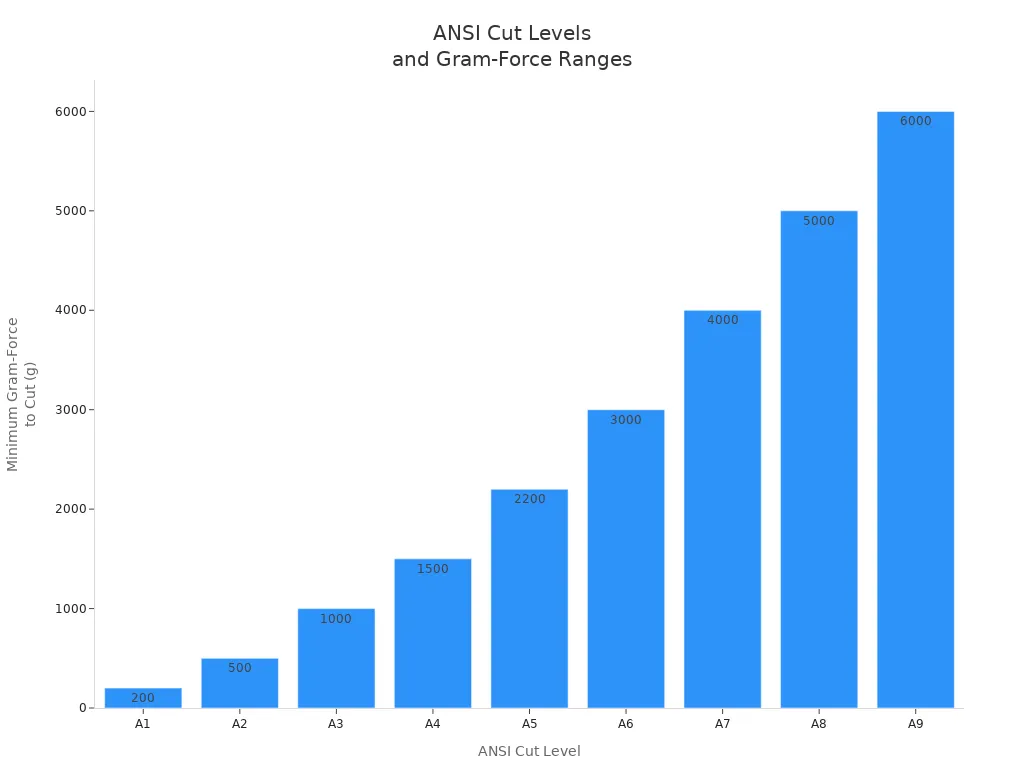
ANSI cut levels help workers understand the level of protection their gloves provide. The American National Standards Institute (ANSI) categorizes cut resistance into several levels, from A1 to A9. Each level indicates the amount of force required to cut through the glove material. Here’s a quick look at the ANSI cut levels:
| ANSI Cut Level | Protection Description | Gram-Force Range |
|---|---|---|
| A1 | Light cut hazards | 200-499 grams to cut |
| A2 | Light to medium cut hazards | 500-999 grams to cut |
| A3 | Light to medium cut protection | 1000-1499 grams to cut |
| A4 | Medium cut hazards | 1500-2199 grams to cut |
| A5 | Medium to heavy cut hazards | 2200-2999 grams to cut |
| A6 | High cut hazards | 3000-3999 grams to cut |
| A7 | High cut hazards | 4000-4999 grams to cut |
| A8 | High cut protection | 5000-5999 grams to cut |
| A9 | High cut hazards | 6000+ grams to cut |
Focus on A9 Cut Level
The A9 cut level stands out as the highest rating for cut protection. ANSI A9 gloves can withstand over 6000 grams of cutting force, making them ideal for extreme cut hazards. Workers in high-risk environments, such as manufacturing and construction, rely on these gloves for maximum safety.
Significance of A9 Gloves

Real-World Applications
ANSI A9 gloves are vital in various real-world scenarios where cut hazards are prevalent. These gloves provide essential protection for workers who handle sharp tools, materials, or equipment. Here are some common applications:
- Construction Sites: Workers often encounter rough surfaces and sharp edges. A9 gloves help prevent injuries from cuts and lacerations.
- Manufacturing Plants: Employees frequently handle metal parts, which can lead to severe cut injuries. A9 gloves offer the necessary protection.
- Recycling Facilities: Workers face sharp objects while sorting materials. A9 gloves reduce the risk of cuts during this hazardous task.
- Fishing Activities: Fishermen handle sharp fish bones and scales. A9 gloves ensure their hands remain safe while working with slippery catches.
Industries Requiring A9 Protection
Several industries have adopted ANSI A9 gloves as standard safety equipment due to the high risk of cut injuries. Here’s a look at some of these industries and the specific hazards they face:
| Industry | Hazards |
|---|---|
| Correctional Facilities | Threats from prisoners fashioning weapons. |
| Lumber Industry | Sharp blades and jagged splinters from woodwork. |
| Pulp and Paper | Heavy weights and risks from production equipment. |
| Recycling and Waste Management | High incidence of cuts and lacerations during trash collection. |
| Construction | Constant contact with rough and sharp surfaces leading to injuries. |
| Manufacturing | High number of cut injuries due to metal handling. |
| Mining | Risks from handling materials and machinery. |
| Oil and Gas | Cuts and lacerations account for a significant percentage of injuries. |
| Utilities | Risks associated with substation work and framing poles. |
In these industries, workers often perform tasks that expose them to sharp tools and materials. For instance, in the construction industry, laborers frequently work with sharp tools and materials that can cause serious injuries. Similarly, in the recycling industry, workers deal with sharp objects that can lead to cuts.
By using ANSI A9 gloves, these workers can significantly reduce their risk of injury. The gloves not only protect against cuts but also enhance grip and dexterity, allowing workers to perform their tasks safely and efficiently.
Benefits of Using A9 Gloves
Enhanced Safety Features
ANSI A9 gloves stand out for their exceptional safety features, making them a top choice for workers in high-risk environments. Here are some key aspects that set them apart:
- Highest Level of Cut Resistance: ANSI A9 gloves provide the highest level of cut resistance, designed for extreme cut hazards. They can withstand over 6000 grams of cutting force, ensuring maximum protection for those handling sharp tools or materials.
- Protection Against Severe Injuries: These gloves are essential for workers dealing with industrial blades, tempered glass, or heavy cutting machinery. By offering ultra-high cut resistance, they help prevent catastrophic injuries in demanding tasks.
- Durability: Constructed from advanced materials like aramid fibers and HPPE, A9 gloves are built to last. The nitrile coating enhances grip and resistance to abrasions, oils, and chemicals, making them suitable for various applications.
Comfort and Dexterity
Despite their robust protection, ANSI A9 gloves maintain a level of comfort and dexterity that workers appreciate. Here’s how they achieve this balance:
- Flexible Design: The gloves feature a snug fit that promotes better hand movement. This design allows users to perform tasks without feeling restricted.
- Enhanced Grip: A nitrile coating enhances grip and flexibility, making it easier to handle slippery or sharp objects. This feature is crucial for tasks that require precision and control.
- Comfortable Materials: Made from lightweight materials, A9 gloves reduce hand fatigue during extended use. Workers can wear them for long periods without discomfort, which is vital in demanding work environments.
In high-risk workplaces, using ANSI A9 gloves can lead to measurable benefits. For instance, they can reduce hand injuries by up to 70%, improve worker morale, and lower insurance premiums. By prioritizing safety and comfort, these gloves not only protect workers but also enhance productivity.
| Metric | Impact |
|---|---|
| Reduction in hand injuries | Up to 70% |
| Worker morale and safety culture | Improved |
| Insurance premiums and OSHA citations | Lowered |
Comparing A9 with Lower Cut Levels

A5 vs. A9: Key Differences
When comparing A5 and A9 gloves, the differences are clear. A5 gloves offer medium to heavy cut protection, withstanding 2200-2999 grams of cutting force. In contrast, A9 gloves provide the highest level of cut resistance, handling over 6000 grams. Here are some key differences:
- Cut Resistance: A9 gloves protect against more severe hazards than A5 gloves.
- Material Handling: Workers dealing with sharp materials should opt for A9 gloves, while A5 may suffice for less risky tasks.
- Comfort and Dexterity: Both glove types aim for comfort, but A9 gloves often feature advanced materials that enhance flexibility without sacrificing protection.
When to Choose A9 Over Lower Levels
Choosing the right gloves depends on several factors. Here’s what to consider when deciding between A9 and lower cut levels:
- Job Requirements: Assess the specific tasks and materials involved. If workers handle sharp tools or materials, A9 gloves are a must.
- Cut Risks: Evaluate the potential cut hazards in the workplace. High-risk environments, like construction or manufacturing, call for A9 gloves.
- Comfort and Dexterity: Workers need gloves that fit well and allow for movement. A9 gloves often balance cut resistance with comfort, ensuring they are worn consistently.
Remember, the balance between cut resistance and comfort is essential for employee safety. Consulting with safety equipment providers can help make informed decisions about glove selection.
By understanding these factors, employers can ensure their teams are equipped with the right gloves for the job. Prioritizing safety not only protects workers but also boosts productivity and morale.
Industry-Specific Needs for A9 Gloves
Manufacturing and Construction
In the manufacturing and construction sectors, the need for ANSI A9 gloves is critical. Workers face numerous hazards that can lead to severe injuries. For instance, sheet metal workers rank second for cut injuries, with 86.5 incidents per 10,000 workers. Installers and construction laborers also experience high rates of cut injuries, making A9 gloves essential for their safety.
Here are some specific roles that highlight the risks:
- Sheet Metal Workers: High exposure to sharp edges.
- Installers: Frequently handle tools that can cause cuts.
- Construction Laborers: Often work with heavy materials and sharp objects.
- Automotive Technicians: Deal with sharp components and tools.
- Maintenance and Repair Workers: Encounter various sharp hazards during repairs.
Industries like lumber and pulp and paper are particularly hazardous due to sharp tools and heavy materials. Workers in these fields face significant risks of cuts and lacerations, underscoring the necessity for A9 gloves to ensure their safety.
Food Processing and Healthcare
The food processing and healthcare industries also require ANSI A9 gloves to protect workers. In food service, gloves help prevent contamination and ensure compliance with health regulations. Here are some key points:
- Food-grade gloves are mandatory to maintain hygiene.
- Frequent glove changes are necessary in restaurants and food processing facilities.
- The FDA specifies hand protection requirements for food handling.
In healthcare, the demand for gloves extends beyond hospitals. Dental practices, veterinary clinics, and home healthcare services all require reliable hand protection. The following table outlines some regulatory requirements for gloves in these industries:
| Regulatory Requirement | Description |
|---|---|
| OSHA's PPE Standards | Employers must assess hazards to determine the need for cut-resistant gloves. |
| FDA Regulations | Gloves must comply with materials that contact food. |
| 29 CFR 1910.138(a) | Employers must provide appropriate hand protection for cut hazards. |
| Hazard Assessment | Employers must evaluate the workplace for potential hazards. |
| Reasonableness Standard | Employers must conduct a good faith hazard assessment. |
With the growing prevalence of chronic diseases, the demand for healthcare gloves continues to rise. ANSI A9 gloves provide the necessary protection for workers in these critical sectors, ensuring safety and compliance.
SIZA's Cut Resistant Fishing Gloves S1014
Features and Benefits
SIZA's Cut Resistant Fishing Gloves S1014 offer a blend of safety and comfort, making them a top choice for fishing enthusiasts. Here’s a closer look at their standout features:
| Feature | Description |
|---|---|
| High Cut Resistance | Grade A3 cutting resistance ensures safety while handling sharp fish bones. |
| Waterproof | The latex coating keeps hands dry in wet environments. |
| Abrasion Resistant | Protects against wear and tear during use. |
| Anti-Slip Grip | Irregular folds enhance grip for secure handling of slippery fish. |
| Comfortable Fit | A soft interior reduces hand fatigue during long fishing trips. |
These gloves not only protect against cuts but also enhance the overall fishing experience. The waterproof feature is especially beneficial for those who fish in rainy or wet conditions. Plus, the anti-slip grip allows for better handling of slippery catches, ensuring that anglers can focus on their technique without worrying about losing their grip.
Ideal Use Cases
The SIZA Cut Resistant Fishing Gloves S1014 are perfect for various fishing scenarios. Here are some ideal use cases:
- Freshwater Fishing: Whether casting from a boat or the shore, these gloves provide the necessary protection against sharp hooks and fish bones.
- Saltwater Fishing: The waterproof design makes them suitable for saltwater environments, where exposure to moisture is common.
- Commercial Fishing: For professional fishermen, these gloves offer durability and safety while handling large catches.
- Recreational Fishing: Casual anglers will appreciate the comfort and protection during long fishing trips.
By using SIZA's gloves, fishermen can significantly reduce the risk of hand injuries. The combination of cut resistance and comfort makes these gloves an essential part of any fishing gear. With features designed for real-world fishing environments, they ensure that safety and performance go hand in hand.
ANSI A9 gloves are indispensable for ensuring workplace safety in 2026. Their unmatched cut resistance protects workers in high-risk industries like construction, manufacturing, and healthcare. As industrial safety regulations tighten and awareness of employee protection grows, the adoption of these gloves will continue to rise.
- The global safety gloves market is projected to grow significantly, reaching $25.4 billion by 2033.
- Innovations like biodegradable materials and sensor-embedded gloves are shaping the future of hand protection.
By prioritizing advanced safety gear, businesses can safeguard their workforce while embracing cutting-edge technology.
Tip: Investing in high-performance gloves today ensures a safer, more productive tomorrow.
0users like this.
