news
Understanding the Importance of Level 9 Cut Resistant Gloves for Safety
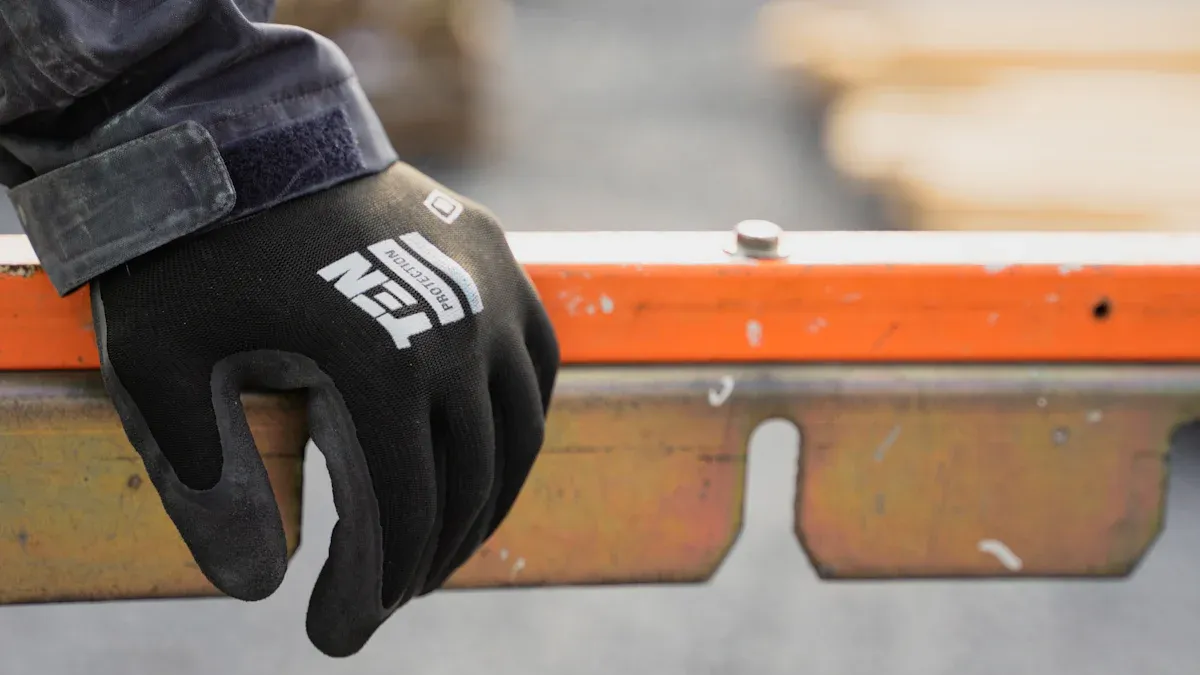
Level 9 cut resistant gloves play a critical role in preventing workplace injuries. These gloves protect employees from serious cuts and lacerations, which are among the most common workplace injuries. In fact, cuts to the hands and fingers account for a significant portion of lacerations on jobsites. The U.S. Bureau of Labor Statistics reports over 110,000 lost time cases each year due to these injuries.
In addition to safeguarding employees, using these gloves can enhance productivity. When workers feel secure, they can focus on their tasks without fear of injury. Compliance with safety regulations, like ANSI/ISEA 105-2016 and EN388, is also crucial. Level 9 cut resistant gloves help employers meet these standards, ensuring a safer work environment for everyone.
Key Takeaways
- Level 9 cut resistant gloves provide maximum protection against cuts, ensuring safety in high-risk jobs.
- Using these gloves boosts employee morale and productivity by allowing workers to focus on tasks without fear of injury.
- Implementing level 9 gloves can significantly reduce costs associated with workplace injuries, saving businesses money in the long run.
- Choosing the right gloves based on specific tasks enhances safety and comfort, leading to better performance.
- Fostering a culture of safety through proper glove use encourages employees to prioritize their well-being and that of their colleagues.
Understanding Cut Resistance Levels
What is Cut Resistance?
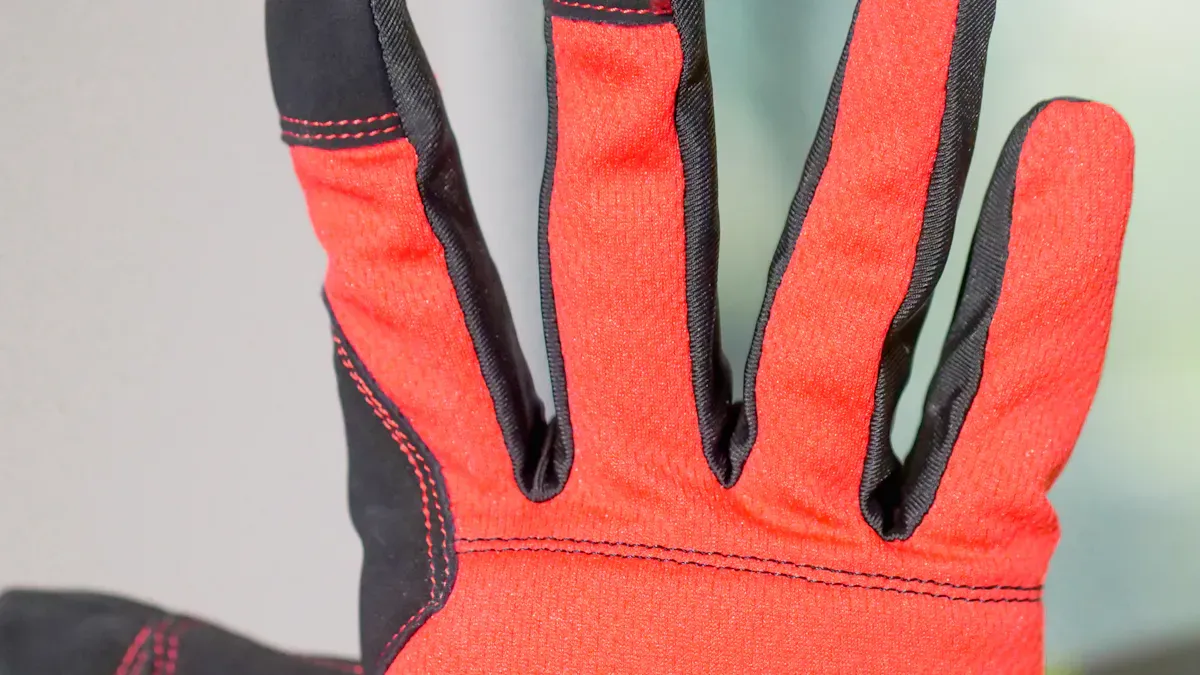
Cut resistance refers to how well a material can withstand cutting forces. In the context of personal protective equipment (PPE), this means how effectively gloves can protect hands from sharp objects. Different testing methods measure cut resistance. For instance, the American method uses a razor blade under controlled pressure until the material fails. Meanwhile, the European method employs a circular, spinning blade. The results are measured in grams of force, which helps classify the level of protection the gloves offer.
Overview of Cut Resistance Levels
Cut resistance levels help users understand how much protection a glove provides. The American National Standards Institute (ANSI) has established a classification system that ranges from A1 to A9. Here’s a quick overview of how these levels work:
- A1: Minimal protection for light tasks.
- A2: Slightly better protection for low-risk environments.
- A3: Suitable for handling sharp materials with moderate risk.
- A4: Offers good protection for more hazardous tasks.
- A5: Designed for tasks with a higher risk of cuts.
- A6: Provides substantial protection for demanding jobs.
- A7: Suitable for heavy-duty applications.
- A8: High-level protection for extremely sharp materials.
- A9: Maximum cut resistance for the most hazardous tasks.
The current testing method uses the Tomodynamometer Test Machine (TDM), which ensures accuracy by applying a uniform testing approach. Both ANSI and CE standards for cut resistance were synchronized in 2016, making it easier for users to select the right gloves.
Why Level 9 is the Highest Standard
Level 9 cut resistant gloves stand out because they are specifically designed for the most dangerous tasks. These gloves provide maximum cut resistance, ensuring safety when handling heavy-duty, sharp materials. Unlike lower levels, which are suitable for less hazardous tasks, Level 9 gloves protect workers in extremely risky environments. They are essential for industries like metal fabrication, glass handling, and construction, where the potential for serious injuries is high.
Workplace Hazards Requiring Level 9 Cut Resistant Gloves
Industries with High Cut Risks
Certain industries face higher risks of hand injuries due to cuts and lacerations. The construction and manufacturing sectors frequently report significant hand injury rates. In fact, hand injuries account for nearly one-third of all workplace injuries, according to OSHA. Proper hand protection can reduce these risks by over 60%. Other industries, such as food processing and glass handling, also experience high cut risks. Workers in these fields often handle sharp tools and materials, making level 9 cut resistant gloves essential for safety.
Common Tools and Materials That Pose Risks
Many tools and materials contribute to the risk of cuts in various workplaces. Here are some common culprits:
- Forestry: Silviculture hand tools, chainsaws
- Hospitality & Tourism: Knives in kitchens, manual slicers
- Wood Products Manufacturing: Radial arm saws, abrasive surfaces
- Commercial Fishing: Knives, hooks
- Manufacturing: Unguarded rotary blades, grinders, sharp-edged materials
- Construction: Power tools
These tools can lead to severe injuries if proper precautions aren't taken. For instance, accidents involving table saws and band saws often occur due to inadequate safety measures.
Real-Life Injury Statistics
Real-life statistics highlight the urgency of using level 9 cut resistant gloves. Knives account for 30% of all workplace injuries, with hand lacerations making up about 70% of these incidents. In 2020, the Bureau of Labor Statistics reported approximately 121,860 cases of non-fatal hand injuries that resulted in days away from work. Lacerations are typically among the top three recordable injuries in companies, leading to an average of five lost working days for injured workers. The average cost of a laceration case ranges from $12,000 to $40,000, emphasizing the need for effective hand protection.
When to Avoid Wearing Cut-Resistant Gloves
Cut-resistant gloves lower the risk of a laceration, but they are not the right control everywhere. There are situations where a glove adds a new hazard or gives a false sense of protection, and knowing when to avoid wearing cut-resistant gloves matters as much as knowing when to wear them.
Rotating Machinery and Entanglement
A glove is something a moving part can grab. Around exposed lathe spindles, drill chucks, bench grinders, chain drives and conveyor rollers, the glove itself can be wound in and pull the hand with it. Machine guarding and the machine's own no-glove rule come first; where gloves are permitted, they must be close-fitting and the risk assessment has to say so.
Powered Saw Blades and Cutting Wheels
Cut resistance is measured by drawing a blade across the material under controlled force. It is not a claim that a powered blade at full speed will stop. On table saws, circular saws and angle grinders the glove can be drawn into the cut, so push sticks, guards and correct feeding technique are the controls, not the glove.
Puncture Hazards: Needles, Wire and Sharps
Cut and puncture are tested differently, and a high cut level does not mean a high puncture level. For needle sticks in recycling, waste handling or medical work, and for wire and metal strapping, specify a glove with a puncture rating rather than relying on cut performance alone.
Chemical, Heat and Electrical Work
A cut-resistant liner is not a barrier. It does not stop solvents or oils reaching the skin, it does not insulate against heat, and it does not protect against electric shock. Chemical handling needs a chemical-resistant glove, hot work needs a heat-resistant glove, and live electrical work needs insulating gloves tested to the applicable standard.
Damaged Gloves, Poor Fit and Food Contact
A glove that is cut, worn through, stiffened or contaminated no longer delivers its rated protection and should be replaced rather than kept in service. A loose cuff or an oversized shell increases the chance of catching on an edge. In food handling, a cut-resistant glove also has to be declared suitable for food contact before it is used on product.
Frequently Asked Questions
When should you avoid wearing cut-resistant gloves?
Avoid them wherever a glove can be caught by a moving part, and wherever the hazard is not cutting: rotating spindles, powered saw blades, needle punctures, chemicals, heat and live electrical work all need a different control or a different glove.
Are cut-resistant gloves safe to wear near rotating machinery?
Not by default. A glove can be caught by a rotating shaft, chuck or drive and pull the hand in, so machine guarding and the machine's own no-glove rule come first.
Do cut-resistant gloves stop needle punctures?
No. Cut resistance and puncture resistance are separate ratings, and a high cut level does not imply puncture protection. For needles and wire, specify a glove with a puncture rating.
Can cut-resistant gloves be used for chemical or electrical work?
No. A cut-resistant liner gives no chemical barrier, no thermal protection and no electrical insulation; those tasks need a glove rated for that specific hazard.
Key Features of SIZA Cut Resistant Gloves
Material Composition
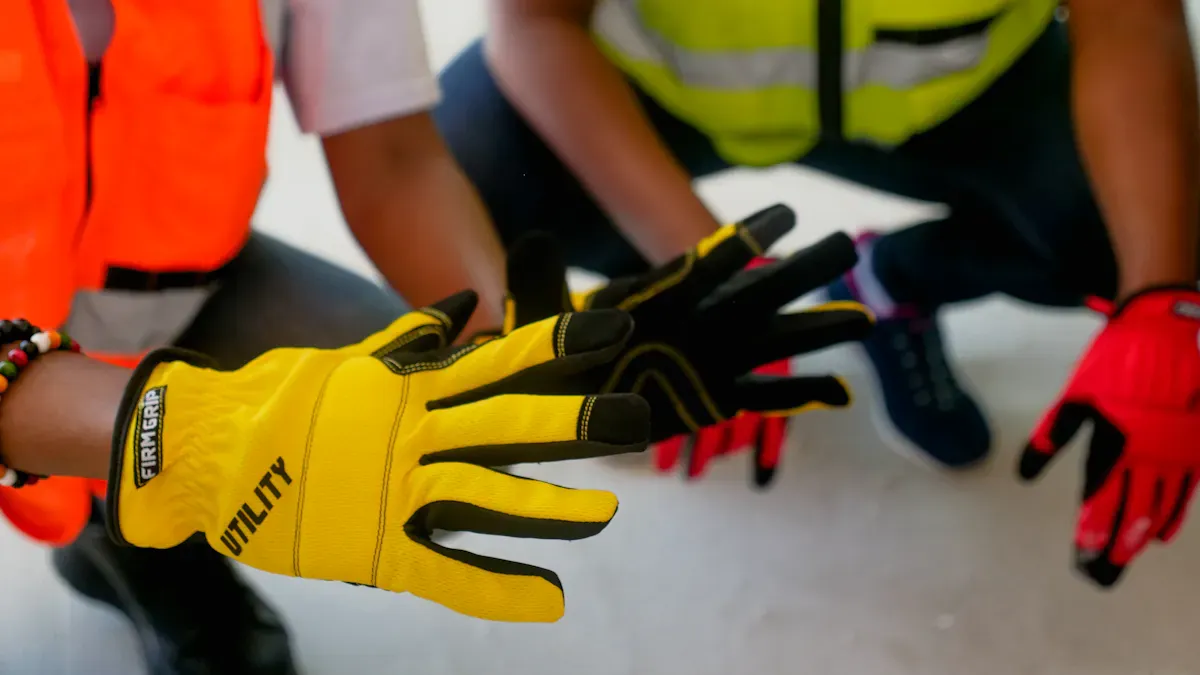
SIZA cut resistant gloves utilize advanced materials to ensure maximum protection. These gloves often feature steel fibers and advanced composites, which provide exceptional cut resistance. The table below highlights the cut resistance range and typical materials used in level 9 cut resistant gloves:
| Level | Cut Resistance Range (grams) | Typical Materials | Common Applications |
|---|---|---|---|
| A9 | ≥ 6000 | Steel fibers, advanced composites | Glass manufacturing, heavy metalworking, extreme environments |
These materials make SIZA gloves ideal for industries where sharp tools and hazardous conditions are common.
Comfort and Fit
Comfort is crucial when selecting safety gloves. SIZA cut resistant gloves are designed with a snug fit that allows for flexibility and dexterity. Workers can easily handle tools and materials without feeling restricted. The gloves also feature breathable fabrics, which help keep hands cool during long hours of work. This combination of comfort and fit ensures that employees can focus on their tasks without distraction.
Durability and Maintenance
Durability is another key feature of SIZA cut resistant gloves. Made from high-quality materials, these gloves withstand wear and tear in demanding environments. They are designed to last, reducing the need for frequent replacements. Maintenance is straightforward, as many gloves can be washed according to the manufacturer's care instructions. This ease of maintenance helps businesses save time and money while ensuring that their workforce remains protected.
By choosing SIZA level 9 cut resistant gloves, employers invest in safety, comfort, and durability for their teams.
Choosing the Right Cut Resistant Gloves for Your Industry
Assessing Workplace Risks
To choose the right level 9 cut resistant gloves, employers must first assess workplace risks. Here are some steps to consider:
- Evaluate tasks that involve sharp tools or heavy materials.
- Consider how often workers face these hazards.
- Match glove selection to industry standards for safety.
- Avoid overprotecting; find a balance between cut protection and comfort.
- Assess durability needs for harsh environments.
- Account for additional risks like abrasion and puncture resistance.
- Test gloves in real conditions to ensure they meet safety standards.
- Look for chemical or heat resistance if relevant to your industry.
- Consult with workers for feedback on comfort and usability.
- Weigh cost against performance to find the best fit.
Matching Gloves to Specific Tasks
Selecting gloves that match specific tasks can maximize both safety and dexterity. Here’s a quick overview of how glove characteristics align with different job types:
| Glove Characteristic | Task Type | Benefit |
|---|---|---|
| High dexterity | Assemblers | Improved handling of small components |
| Cut resistance | Electricians | Enhanced safety while working with wires |
| Comfort | Construction workers | Reduced hand fatigue and increased productivity |
Gloves that fit well and feel comfortable encourage consistent use, enhancing safety. Dexterity in gloves allows for fine motor skills while maintaining a good sense of touch.
Compliance with Industry Standards
Compliance with industry standards is crucial when selecting cut resistant gloves. Level 9 gloves meet or exceed key standards, ensuring maximum protection. Here’s a brief look at relevant standards:
| Standard | Description |
|---|---|
| ANSI A1-A9 | Ratings from light protection (A1) to extreme cut resistance (A9). |
| EN 388 | Tests for abrasion, puncture, and tear resistance in addition to cut resistance. |
| Level A9 | Represents the highest level of cut protection suitable for extreme hazards. |
Level 9 gloves often use advanced materials like Kevlar®, HPPE, and steel fibers. These materials provide a balance of strength, comfort, and cost-effectiveness, ensuring high levels of protection against sharp objects.
Benefits of Implementing Level 9 Cut Resistant Gloves
Enhancing Employee Safety
Implementing level 9 cut resistant gloves significantly boosts employee safety. These gloves provide maximum protection against cuts and lacerations, which are common in many industries. When workers wear these gloves, they feel more secure while handling sharp tools and materials. This sense of security allows them to focus on their tasks without worrying about potential injuries.
Moreover, a safe work environment leads to higher morale. Employees who feel protected are more likely to be engaged and productive. They can perform their jobs with confidence, knowing that their hands are well-protected.
Reducing Injury-Related Costs
Injuries can be costly for businesses. They lead to medical expenses, lost productivity, and potential legal issues. By using level 9 cut resistant gloves, companies can significantly reduce these costs.
Consider this: the average cost of a laceration case ranges from $12,000 to $40,000. By preventing these injuries, businesses save money and resources. Investing in high-quality gloves is a proactive approach that pays off in the long run.
Additionally, fewer injuries mean lower insurance premiums. Companies that prioritize safety often enjoy reduced rates, further enhancing their bottom line.
Fostering a Safety Culture
Creating a culture of safety is essential for any organization. Level 9 cut resistant gloves play a vital role in this process. When employers provide high-performance gloves, they demonstrate their commitment to worker safety. This action encourages employees to take safety seriously.
Here are some best practices for fostering a safety culture through the use of cut resistant gloves:
| Best Practice | Description |
|---|---|
| Proper Fit | Ensures gloves are neither too big nor too tight, reducing hazards and improving dexterity. |
| Regular Cleaning | Maintains the integrity of the gloves and promotes worker hygiene by preventing dirt buildup. |
| Regular Inspections | Helps identify wear and tear, ensuring gloves are replaced before they fail. |
| Managed PPE Program | Centralizes supply and ensures compliance, fostering a proactive safety culture. |
By following these practices, companies can create an environment where safety is a shared responsibility. Employees will feel empowered to prioritize their well-being and that of their colleagues.
Level 9 cut resistant gloves are essential for workplace safety. They provide a protective barrier against cuts and lacerations, ensuring compliance with safety regulations. Here are some key points to remember:
- They prevent hand injuries, boosting productivity and morale.
- They minimize downtime from accidents, leading to a stronger safety record.
- They contribute to long-term cost savings by reducing medical expenses.
To prioritize hand protection, organizations should:
- Select protective gloves based on the task.
- Never remove gloves while on the job.
- Ensure a proper fit.
By implementing these practices, companies can foster a culture of safety that empowers employees to prioritize their well-being.
0users like this.