news
Top Industries That Need Cut Resistant Gloves (And Why Ordinary Gloves Fail)
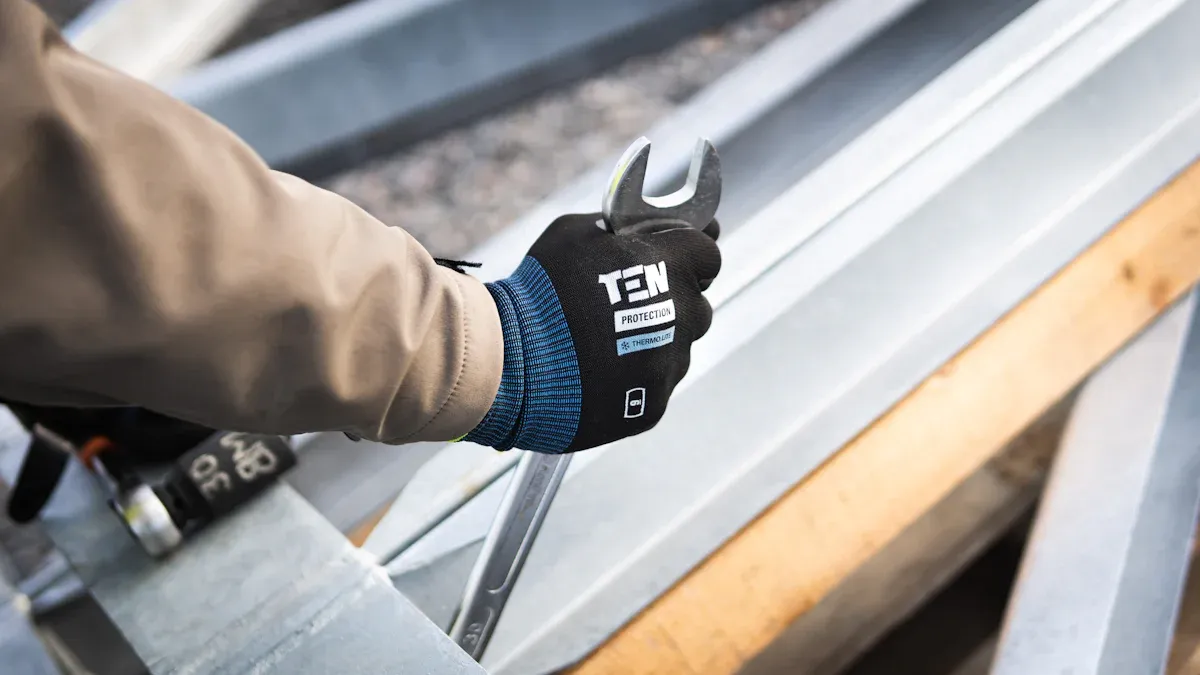
In many industries, the risk of hand injuries is alarmingly high. For instance, in 2018, the Bureau of Labor Statistics reported nearly 124,000 hand injuries, with over 51,000 caused by cuts and lacerations. That's about 41% of all hand injuries! This statistic highlights the critical need for cut resistant gloves. Workers in manufacturing, food processing, and construction face constant dangers. Ordinary gloves simply don't provide the necessary protection. They lack the durability and strength to withstand sharp objects, putting employees at risk every day.
Key Takeaways
- Cut resistant gloves are essential for protecting workers in high-risk industries like manufacturing, food processing, and construction.
- Ordinary gloves often fail to provide adequate protection against cuts, leading to serious injuries and financial costs.
- Cut resistant gloves come in various materials, each offering unique benefits, ensuring safety without sacrificing comfort.
- Using cut resistant gloves can boost employee morale and productivity by providing a safer work environment.
- Employers should prioritize safety gear to reduce injuries, lower insurance costs, and enhance overall workplace efficiency.
Overview of Cut Resistant Gloves
Cut resistant gloves are essential safety gear designed to protect workers from cuts and lacerations. They come in various materials, each offering unique benefits. Here are some common materials used in cut-resistant gloves:
- Dyneema: This lightweight fiber is stronger than steel and resistant to chemicals and moisture.
- Para-aramids: Known for their high cut resistance, these fibers are five times stronger than steel.
- HPPE: These ultra-fine fibers provide durability and breathability while being resistant to oils.
- Metal blends: Gloves made with metal mesh offer excellent cut resistance but may limit dexterity.
- Nylon blends: Strong and flexible, these gloves work well in both wet and dry environments.
- Leather: Durable and breathable, leather gloves provide good grip and abrasion resistance.
- Cotton blends: These gloves absorb moisture and protect against irritation.
Cut-resistant gloves are rated based on their protection level. The cut resistance levels range from A1 to A9, indicating how much force the glove can withstand before being penetrated. For example, A1 gloves can handle light cut hazards, while A9 gloves offer high cut protection against severe risks.
| Cut Level | Grams of Cutting Load | Protection Level |
|---|---|---|
| A1 | 200 - 499 grams | Light cut hazards |
| A2 | 500 - 999 grams | Light to medium protection |
| A3 | 1000 - 1499 grams | Light to medium cut protection |
| A4 | 1500 - 2199 grams | Medium cut hazards |
| A5 | 2200 - 2999 grams | Medium to heavy protection |
| A6 | 3000 - 3999 grams | High cut hazards |
| A7 | 4000 - 4999 grams | High cut hazards |
| A8 | 5000 - 5999 grams | High cut protection |
| A9 | 6000+ grams | High cut hazards |
It's important to note that cut-resistant does not mean cut-proof. These gloves can withstand a certain amount of cutting before they become penetrable. Additionally, the efficiency of cut resistance remains intact after washing, as the material simply relaxes.
Top Industries Needing Cut Resistant Gloves
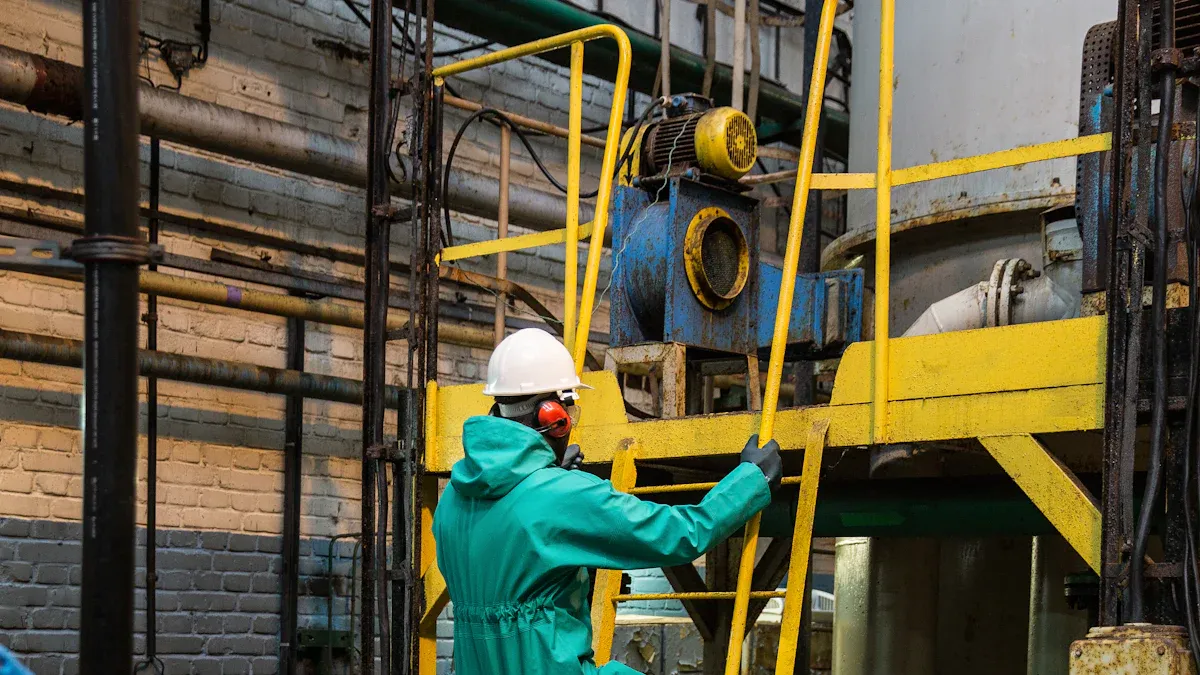
Manufacturing
The manufacturing sector is notorious for its high incidence of hand injuries, particularly cuts and lacerations. In fact, this industry ranks among the highest for such injuries, alongside construction and healthcare. Workers often operate power tools and machinery, which significantly increases the risk of severe hand injuries. Common culprits include:
- Unguarded rotary blades
- Grinders
- Materials with sharp edges
- Conveyors
- Radial arm saws
- Abrasive surfaces
- Cutting tools
- Axes
- Knives
Given these hazards, using cut resistant gloves becomes crucial. These gloves provide the necessary protection against sharp objects, helping to prevent injuries that could lead to lost workdays or worse.
Food Processing
In the food processing industry, cuts and lacerations are significant types of injuries. While specific annual figures for injuries attributed to cuts aren't always available, the tasks involved in this sector are often hazardous. Workers frequently handle sharp knives and operate machinery, which can lead to serious injuries.
Regulations also emphasize the importance of safety gear. For example, the following regulations require the use of cut-resistant gloves in food processing environments:
| Regulation | Description |
|---|---|
| 29 CFR 1910.138(a) | Requires employers to provide appropriate hand protection when employees' hands are exposed to hazards such as severe cuts or lacerations. |
| 29 CFR 1910.132(d)(1) | Mandates employers to assess the workplace for potential hazards that necessitate the use of personal protective equipment (PPE). |
By wearing cut resistant gloves, workers can significantly reduce their risk of injury while ensuring compliance with safety regulations.
Construction
The construction industry presents numerous risks for hand injuries, with just over 40% of injuries involving lacerations or cuts. In a recent study, abrasions and lacerations accounted for 28.2% of injuries, while cuts made up 26.6%. In 2016 alone, there were 11,810 recorded injuries from cuts, lacerations, and punctures in this field.
Certain tasks and tools pose a higher risk for hand cuts, including:
- Handling sharp objects like knives, scissors, and blades
- Working with broken glass or metal
Given these dangers, cut resistant gloves are not just recommended; they are essential. They help protect workers from the sharp edges and tools they encounter daily, reducing the likelihood of serious injuries.
Healthcare
In the healthcare industry, hand injuries can occur more often than one might think. Medical professionals frequently handle sharp instruments, such as scalpels and needles, which pose a significant risk. The potential for cuts and lacerations is high, especially in surgical settings.
Healthcare workers face various hazards, including:
- Surgical tools: Scalpels and scissors can easily cause cuts.
- Needles: Accidental needle sticks can lead to serious injuries.
- Glass vials: Handling these can result in cuts from broken glass.
- Sharp medical waste: Disposing of sharp objects can lead to injuries if proper precautions aren't taken.
Using cut resistant gloves can help mitigate these risks. They provide an extra layer of protection, allowing healthcare workers to perform their duties safely. This is especially important in environments where precision and safety are paramount.
Automotive
The automotive industry also presents unique challenges when it comes to hand safety. Workers in this field often deal with sharp tools and heavy machinery, which can lead to serious injuries. Here are some common causes of hand injuries in automotive settings:
- Blunt trauma: Moving parts can cause hand and wrist fractures.
- Repetitive motion injuries: Continuous overhead positions can lead to conditions like carpal tunnel syndrome.
- Airbag deployment: Sudden force can fracture bones in the hand and wrist.
- Strained ligaments: Gripping the wheel tightly during a collision can cause sprains.
Given these hazards, cut resistant gloves are essential for automotive workers. They not only protect against cuts but also help prevent injuries from blunt trauma and repetitive motions. By wearing these gloves, workers can focus on their tasks without worrying about potential injuries.
Why Ordinary Gloves Fail
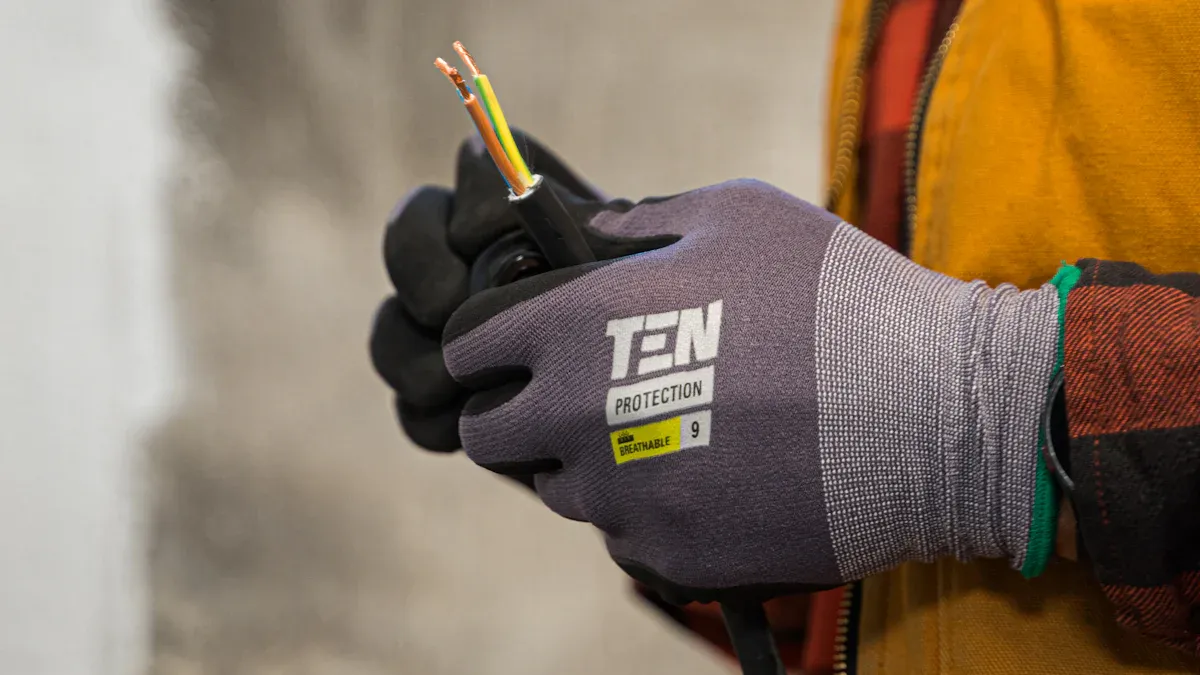
Material Limitations
Ordinary gloves often fall short in protecting against cuts and lacerations. Many of these gloves use basic materials that simply can't withstand sharp objects. For instance, cotton or thin latex gloves may feel comfortable, but they lack the durability needed in high-risk environments. In contrast, cut resistant gloves, especially those made from Kevlar, offer enhanced durability and protection. This makes them ideal for industrial settings where sharp tools are common.
Protection Level
When it comes to protection levels, ordinary gloves just don't measure up. They typically provide light to moderate protection, suitable for tasks like light assembly or packaging. However, they fail to meet the demands of more hazardous jobs. Here's a quick comparison:
| Cut Resistance Level | Description | Common Applications |
|---|---|---|
| A1 - A3 | Light to Moderate Protection | Light assembly, warehousing, packaging, automotive parts handling |
| A4 - A6 | Medium to High Protection | Construction, general manufacturing, metal fabrication |
| A7 - A9 | Very High to Extreme Protection | Abattoirs, heavy-duty metal stamping, advanced recycling operations |
As you can see, cut resistant gloves offer a much higher level of protection, making them essential for workers in dangerous environments.
Specific Scenarios of Failure
Ordinary gloves can lead to serious injuries in specific scenarios. For example, a worker using a sharp knife without proper protection risks severe cuts. Studies show that over 44% of hand injuries involve cuts, punctures, and lacerations. The financial implications of these injuries can be staggering. Minor injuries may cost between $500 and $2,000, while severe injuries can exceed $50,000. This highlights the importance of investing in effective protective equipment.
Cut-resistant gloves play a vital role in protecting workers across various industries. They help prevent injuries, which can lead to lower costs and improved productivity. Here are some key benefits of using these gloves:
- Fewer injuries mean less paperwork and lower insurance premiums.
- Workers feel more confident and can work faster and more accurately.
- Investing in safety gear boosts employee morale and retention.
When employees know they are protected, their morale improves. This leads to higher engagement and productivity. So, it’s essential for employers to prioritize safety measures, ensuring that workers have the right protection to do their jobs effectively.
Remember, safety is not just a requirement; it’s a commitment to the well-being of every worker.
0users like this.