
news
The Right Time to Replace Your Car for Cost Efficiency
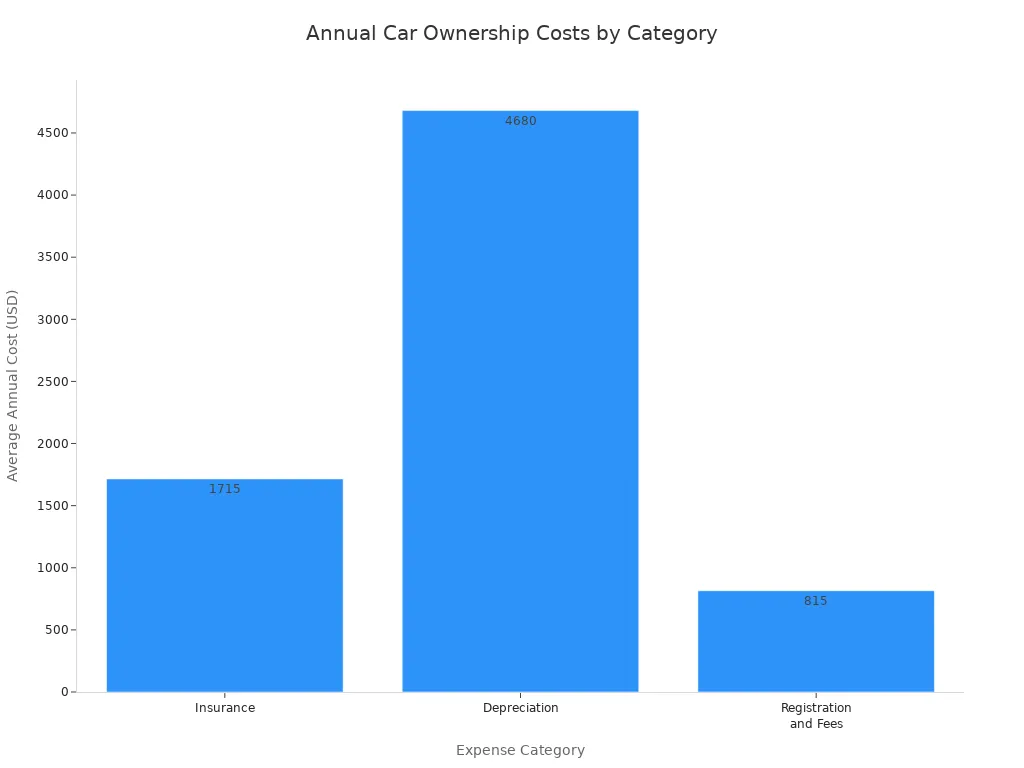
Deciding when to replace my car can feel overwhelming, but timing is everything for cost efficiency. I’ve learned that evaluating factors like depreciation and maintenance can save me a lot of money. Did you know that the average annual cost of car ownership in the U.S. is around $12,297? This includes expenses like insurance, fuel, and maintenance. By replacing my vehicle at the right time, I can avoid those nagging repair bills and high depreciation costs. Additionally, understanding how often to replace automotive mechanic services can further enhance my savings and ensure my vehicle remains in optimal condition.
Key Takeaways
- Replacing your car at the right time can save money on depreciation, maintenance, and fuel costs.
- Understanding depreciation rates helps you plan when to sell or trade in your vehicle for maximum value.
- Frequent repairs and rising ownership costs are clear signs it may be time to upgrade your car.
- Lifestyle changes, like growing families or longer commutes, can make your current car less suitable for your needs.
- Evaluating total cost of ownership, including insurance, fuel, and maintenance, ensures smarter car replacement decisions.
Factors Influencing Car Ownership Costs

When I think about how much my car costs me over time, I realize it’s not just about the price I paid upfront. There are so many factors that add up, and understanding them has helped me make smarter decisions about when to replace my vehicle. Let me break it down for you.
Depreciation Rates
Depreciation is like the silent thief of car value. Every year, my car loses a chunk of its worth, and it happens faster than I expected. Did you know that new vehicles lose about 16% of their value in the first year alone? By the fifth year, they’ve lost nearly half their value. Here’s a quick look at how depreciation typically works:
| Year | Depreciation Rate | Residual Value | Dollar Loss |
|---|---|---|---|
| 1 | 16% | 84% | $7,200 |
| 2 | 12% | 72% | $5,400 |
| 3 | 11% | 61% | $4,950 |
| 4 | 9% | 52% | $4,050 |
| 5 | 7% | 45% | $3,150 |
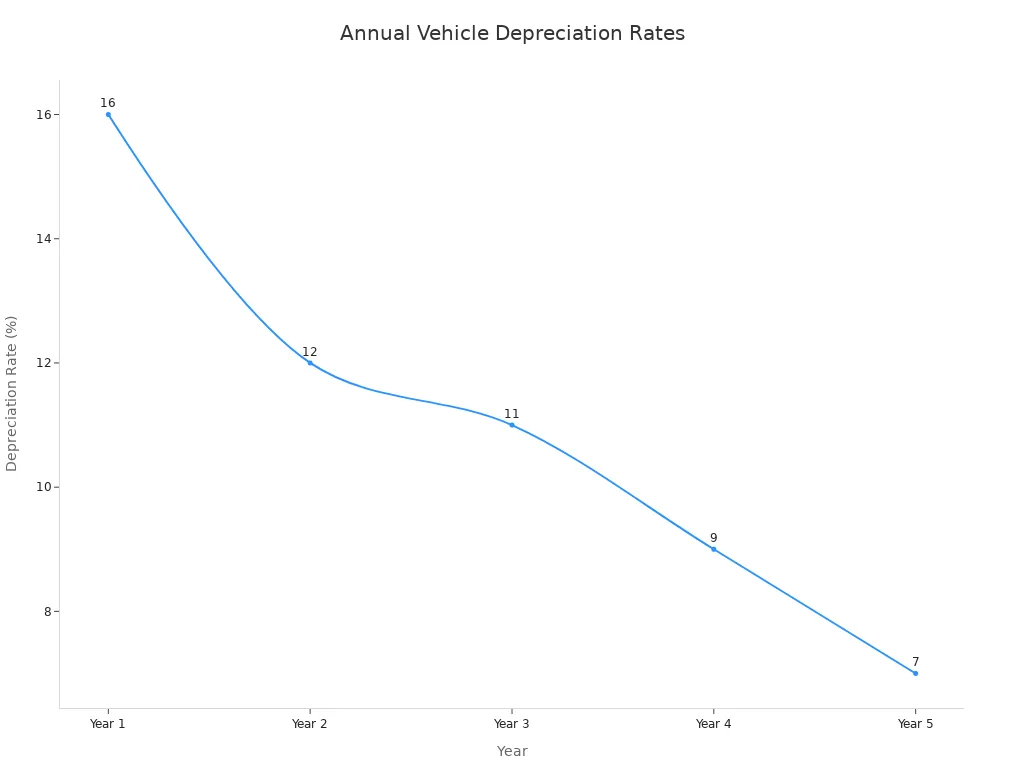
Some cars depreciate faster than others. For example, electric cars tend to lose value quicker, with an average five-year depreciation rate of 44.2%. On the other hand, midsize trucks hold their value better, with only 20.5% depreciation over the same period. If I’m planning to buy a new car, I always check depreciation rates for different models. It’s surprising how much this can impact long-term costs.
Maintenance and Repair Expenses
As my car gets older, I notice the maintenance bills creeping up. It’s not just oil changes anymore; I’ve had to deal with things like timing belts, water pumps, and even suspension repairs. Cars over 100,000 miles often need fixes like replacing spark plugs, checking transmission fluid, and inspecting belts and hoses. Here’s a quick list of common repairs I’ve encountered:
- Timing belt or timing chain replacements
- Water pump inspections
- Spark plugs and ignition coil replacements
- Engine and cabin air filter changes
Once warranties expire, these costs can skyrocket. I’ve learned that older cars tend to need more frequent repairs, and those unexpected expenses can really add up. That’s why I keep an eye on my car’s age and mileage—it helps me decide when it’s time to move on to a newer model.
Insurance Costs
Insurance is another big piece of the puzzle. I’ve noticed that premiums vary a lot depending on the car’s age and type. Newer cars usually cost more to insure because they’re worth more and repairs can be expensive. On the flip side, older cars often have lower premiums due to depreciation, but they might be more prone to theft if they lack modern safety features.
Here’s something interesting: insurance premiums are highest for teenagers, averaging $10,387 per year for full coverage at age 16. For someone my age, the rates are much lower, but they start creeping up again after age 60. If you’re driving a classic car, you might face higher premiums because of its rarity and specialized repair needs.
I’ve also found that cars with advanced safety features can qualify for discounts. So, when I’m shopping for a new vehicle, I always look for models with features like lane assist and collision warning systems. It’s a win-win for safety and savings.
Understanding these factors has helped me make better decisions about car ownership. By keeping an eye on depreciation, maintenance costs, and insurance premiums, I’ve been able to save money and avoid surprises. What about you? Have you noticed how these costs add up over time?
Fuel Efficiency
Fuel efficiency is a big deal for me when I think about my car's overall costs. I’ve noticed that as my vehicle ages, it doesn’t sip fuel as efficiently as it used to. This decline in fuel efficiency can happen for several reasons. For instance, wear and tear on engine components can lead to less efficient fuel combustion. I’ve learned that things like worn spark plugs can really mess with how well my engine runs. If my tire pressure isn’t right, it can create extra resistance, making my car guzzle more gas.
Research shows that cars over 10 years old can consume 33% to 35% more gas compared to newer models. That’s a significant jump! I can’t help but think about how much money I could save by switching to a newer vehicle.
Here are some factors that contribute to declining fuel efficiency as cars age:
- Worn Engine Components: As parts wear out, they can’t perform as well. This leads to a gradual decline in miles per gallon (MPG).
- Maintenance Issues: Regular maintenance is key. If I skip oil changes or neglect air filter replacements, my car’s fuel economy will suffer.
- Driving Habits: I’ve noticed that my driving style can also impact fuel efficiency. Aggressive acceleration and braking can waste fuel, especially in older cars.
I’ve made it a point to keep up with my car’s maintenance schedule. It helps me maintain fuel efficiency for as long as possible. However, I also keep an eye on how my car performs. If I start noticing a significant drop in MPG, it might be time to consider a replacement.
In the end, understanding fuel efficiency has helped me make smarter choices about my vehicle. I want to save money at the pump, and I know that replacing my car at the right time can make a big difference in my overall costs. Have you ever thought about how fuel efficiency impacts your car ownership expenses?
Signs It's Time to Replace Your Car
Frequent Repairs
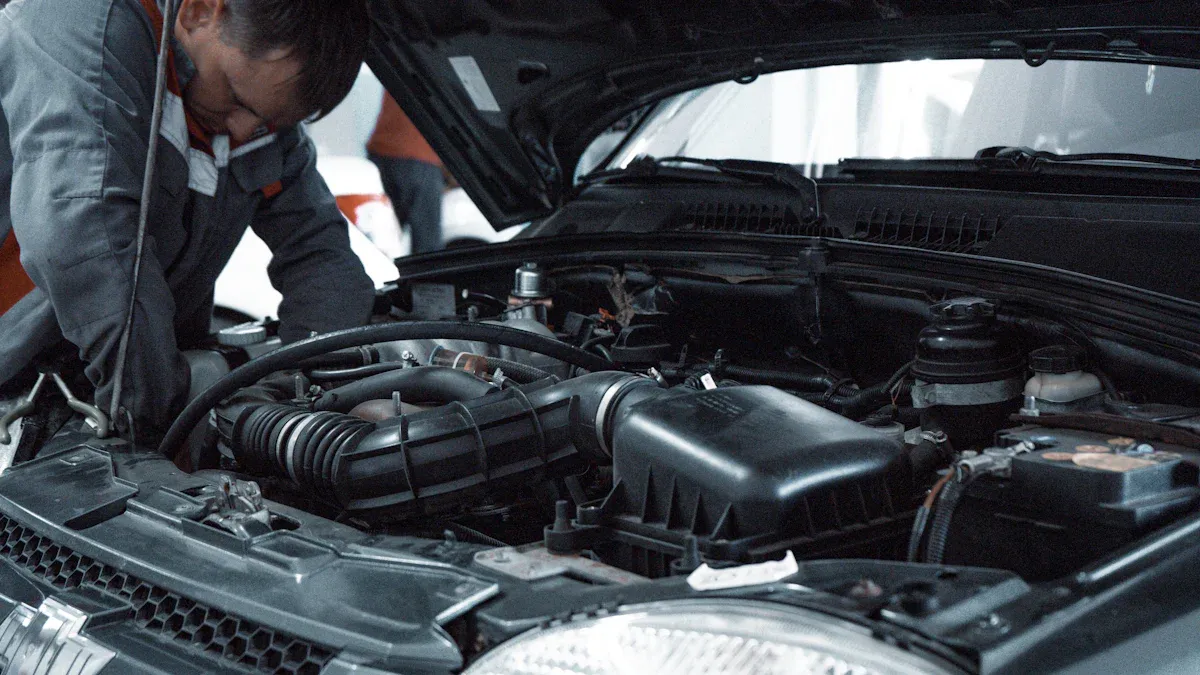
I’ve been there—my car starts needing repairs more often than I’d like. At first, I thought it was just a few minor issues, but then the bills started piling up. If I find myself visiting the mechanic frequently, it’s a major red flag. Here are some signs that indicate it might be time to consider a replacement:
- Frequent repairs: If I’m constantly fixing the same issue, it’s a sign my car is on its last legs.
- Expensive repairs: When the cost of repairs starts to exceed the car's value, I know it’s time to let go.
- Recurring breakdowns: If my car breaks down repeatedly, it’s not just inconvenient; it’s a sign of deeper issues.
- A persistent check engine light: If that light keeps coming back, I need to pay attention.
- Declining fuel efficiency: If I notice my gas tank empties faster, it’s a sign my car isn’t running well.
- Rising ownership costs: As my repair bills increase, I start to question if it’s worth keeping the car.
- Major mileage on a high-mileage vehicle: If my car has seen better days, it might be time to upgrade.
- Rust or structural wear: If I see rust or other signs of aging, it’s a clear indicator.
- Outdated safety features: If my car lacks modern safety technology, I need to think about my safety on the road.
These signs can stack up quickly, and I’ve learned to listen to them. Ignoring them can lead to bigger problems down the road.
Declining Reliability
Reliability is key for me. I want a car that gets me from point A to point B without any hiccups. When my car starts showing signs of declining reliability, I know it’s time to reassess. Here’s what I look for:
| Metric | Description |
|---|---|
| Average Annual Repair Cost | If my repair costs keep climbing, it’s a sign my car is becoming less reliable. |
| Average Visits per Year | If I’m taking my car in for repairs more than a couple of times a year, I need to consider a replacement. |
| Severity of Repairs | If I face major repairs that cost three times my average annual repair cost, it’s time to think about a new vehicle. |
When reliability dips, I face more frequent failures. This not only increases my direct costs but also leads to indirect costs like downtime. I’ve realized that a reliable car helps me avoid unexpected conditions that can elevate safety risks. If my car isn’t dependable, it can compromise my safety and lead to higher operational costs.
Increased Fuel Consumption
Fuel efficiency is another big factor for me. I’ve noticed that as my car ages, it starts to guzzle more gas. Here are some common causes of increased fuel consumption in older vehicles:
- Dirty fuel filter: This can lead to decreased gas mileage.
- Malfunctioning mass airflow sensor: If this sensor miscalculates the air-fuel mixture, my fuel efficiency drops.
- Old or incorrect engine oil: Using the wrong oil can create resistance, making my engine work harder.
- Stuck brakes: If my brakes drag, it forces the engine to work harder and consume more fuel.
- Worn piston rings: This can lead to loss of compression, significantly affecting fuel efficiency.
I’ve learned that rising gas prices can hit my wallet hard. For instance, between January and April 2026, rising gas prices increased annual fuel costs by $706 for gas-powered cars. This trend makes me think twice about keeping an inefficient vehicle. If I notice my fuel consumption increasing, it’s a clear sign that I should consider a newer, more efficient model.
In the end, recognizing these signs has helped me make informed decisions about my car. I want to avoid the stress of frequent repairs, declining reliability, and rising fuel costs. Have you noticed any of these signs in your own vehicle?
Changes in Lifestyle Needs
Life has a funny way of changing when you least expect it. Over the years, I’ve realized that my car needs to keep up with my lifestyle. What worked for me five years ago doesn’t necessarily work for me now. Have you ever felt that way? Here are some common life changes that might make you rethink your current ride:
- Growing families: When my family expanded, I quickly learned that a compact car wasn’t going to cut it. Between car seats, strollers, and diaper bags, I needed something with more space. A roomy SUV or a minivan became a much better fit for our growing needs.
- Career changes: Starting a new job can mean longer commutes or even a need for a different type of vehicle. For example, when I switched to a job farther from home, I needed a car with better fuel efficiency. If your career involves hauling equipment or traveling to remote areas, a truck or an all-wheel-drive vehicle might be a smarter choice.
- New hobbies or activities: I’ve picked up hobbies over the years that required more from my car. Whether it’s kayaking, biking, or camping, I’ve found that having a vehicle with specialized storage or towing capacity makes life so much easier.
- Mobility needs: As I’ve gotten older, I’ve started thinking about how easy it is to get in and out of my car. If mobility becomes a challenge, switching to a vehicle with a higher seating position or wider doors can make a world of difference.
I’ve also noticed that family size and commuting distance play a big role in deciding when to replace a car. Larger families often need vehicles with more seating and storage. On the other hand, households with limited parking or shorter commutes might hold onto their cars longer since they don’t drive as much. For me, when my commute got longer, I couldn’t ignore how much I was spending on gas. That’s when I knew it was time to upgrade to something more efficient.
These lifestyle changes have taught me that my car isn’t just a way to get from point A to point B. It’s a tool that needs to adapt to my life. If your car no longer fits your needs, it might be time to consider a replacement. After all, life doesn’t stand still—why should your car?
Evaluating the Cost of Ownership
When I think about replacing my car, I realize that understanding the total cost of ownership (TCO) is crucial. It’s not just about the sticker price; it’s about all the expenses that come with owning a vehicle. Here’s what I consider when evaluating TCO:
Total Cost of Ownership (TCO) Analysis
TCO analysis helps me see the full picture of what owning a car really costs. Here are the key components I look at:
- Depreciation: This is the loss in my vehicle's value since I bought it. It’s often the single largest expense.
- Fuel: I calculate my annual fuel costs based on driving about 15,000 miles.
- Insurance: I check my state’s average insurance costs, including collision and liability.
- Financing: Most of us can’t afford to buy a car outright, so I consider loan interest and opportunity costs.
- State Fees: This includes sales tax, license, and registration fees.
- Maintenance: I factor in what it costs to keep my car running well.
- Repairs: I think about potential repair costs based on warranties.
By analyzing these factors, I can make a more informed decision about whether to keep my current car or invest in a new one.
Comparing New vs. Used Vehicles
Deciding between a new or used vehicle can be tough. I’ve found that each option has its pros and cons. Here’s a quick comparison:
| Aspect | Buying New Vehicle | Buying Used Vehicle |
|---|---|---|
| Initial Cost | Higher upfront cost | Lower upfront cost |
| Depreciation | Rapid depreciation in first few years | Slower depreciation, better resale value |
| Insurance | Generally higher premiums | Typically lower premiums |
| Warranty | Often includes comprehensive warranty | Limited or no warranty |
| Environmental Impact | High manufacturing emissions | Extends life of existing vehicle |
I’ve learned that new cars depreciate quickly, losing a significant portion of their value in the first few years. On the other hand, used cars tend to hold their value better over time. Plus, buying used can be more environmentally friendly since it extends the life of existing vehicles.
Understanding Financing Options
When it comes to financing, I’ve discovered that my choices can greatly affect the total cost of ownership. Here are some options I consider:
- Direct Lending: I can borrow from a bank or credit union, which often allows for better negotiation.
- Dealership Financing: This option may offer multiple financing plans, but I need to be cautious as they can sometimes be less favorable.
I always compare offers and understand the annual percentage rate (APR) and how the loan length impacts my total costs. For instance, stretching a loan from 60 to 84 months might lower my monthly payment by $80, but it can add $2,000 to $3,000 in extra interest. That’s a significant amount!
In the end, understanding these financing options helps me budget effectively and avoid surprises down the road. By keeping all these factors in mind, I can make a more informed decision about when to replace my car and how to manage my ownership costs.
How Often to Replace Automotive Mechanic
I’ve learned that keeping my car in top shape means knowing how often to replace automotive mechanic services. It’s not just about fixing things when they break; it’s about staying ahead of problems before they snowball into costly repairs. Over the years, I’ve realized that delaying maintenance can lead to serious consequences.
For example, I once ignored a small fluid leak in my car. I thought it wasn’t a big deal, but it ended up damaging my engine. What could’ve been a simple gasket replacement turned into an expensive overhaul. I’ve also seen how worn tires can reduce traction, especially in wet conditions. It’s scary to think how much stopping distance increases when tires lose their grip.
Here’s what I’ve learned about the risks of delaying mechanic services:
- A malfunctioning suspension can make steering unpredictable, increasing the chance of accidents.
- Worn brakes or tires don’t just affect safety—they also stress other systems like the drivetrain and suspension.
- Ignoring small issues, like a clogged air filter, can reduce engine power and fuel efficiency.
I’ve made it a habit to check my car regularly. If I notice worn brake pads or a strange noise, I schedule a visit to the mechanic right away. Addressing these small concerns early saves me money and keeps my car running smoothly. For instance, replacing brake pads before they wear down to the metal prevents damage to rotors and calipers. That’s a huge cost saver!
I also pay attention to how my car feels while driving. If the steering feels off or the ride gets bumpy, I know it’s time to replace automotive mechanic services. Regular check-ups help me avoid surprises and keep my car reliable. I’ve found that sticking to the manufacturer’s maintenance schedule is the best way to stay ahead of problems.
In the end, knowing how often to replace automotive mechanic services has saved me time, money, and stress. It’s not just about keeping my car safe—it’s about making sure it stays efficient and reliable for years to come. Have you ever delayed a repair and regretted it later?
Tips for Selecting a New Vehicle
Researching Reliability Ratings
When I’m shopping for a new car, reliability is one of the first things I look into. A dependable car saves me money on repairs and keeps me stress-free on the road. I’ve found that checking reliability ratings is the best way to gauge how well a car will hold up over time.
Some of the most trusted sources for reliability ratings include:
| Source | Description |
|---|---|
| RepairPal | Analyzes millions of repair orders to provide reliability ratings based on real-world repair data. |
| Consumer Reports | Ranks brands using member surveys that highlight common vehicle problems across various categories. |
I’ve noticed that brands like Lexus, Subaru, and Toyota consistently rank at the top for reliability. Consumer Reports, for example, highlights these brands as the most dependable based on extensive surveys. Choosing a reliable car means fewer trips to the mechanic and lower long-term costs. It’s a win-win for my wallet and peace of mind.
Considering Fuel Economy
Fuel economy is another big factor for me. A car that sips gas instead of guzzling it can save me hundreds of dollars each year. I always check the miles-per-gallon (MPG) rating before making a decision. Cars with better fuel efficiency not only save money but also reduce environmental impact.
I’ve learned that hybrid and electric vehicles are great options if I want to cut down on fuel costs. For example, a hybrid car can get up to 50 MPG, which is a huge improvement over traditional gas-powered vehicles. Even among gas cars, compact sedans tend to be more fuel-efficient than larger SUVs or trucks.
Keeping up with regular maintenance, like replacing air filters and keeping tires properly inflated, also helps maintain fuel efficiency. If I notice my current car’s MPG dropping, it’s a sign that it might be time to upgrade to something more efficient.
Evaluating Resale Value
Resale value is something I didn’t think about much when I bought my first car, but now it’s always on my mind. A car with a high resale value can save me money when it’s time to trade it in or sell it.
I’ve noticed that brands like Toyota and Honda tend to hold their value better than others. These cars are known for their reliability, which makes them more appealing to buyers. I also look for features like advanced safety systems and fuel efficiency, as these can boost resale value.
Another tip I’ve picked up is to avoid flashy customizations. While they might seem fun, they can actually lower the car’s resale value. Instead, I focus on keeping my car in good condition by following the manufacturer’s maintenance schedule. This ensures I get the best price when I’m ready to sell.
By researching reliability, fuel economy, and resale value, I’ve been able to make smarter decisions when choosing a new car. These factors not only save me money but also make car ownership a lot more enjoyable.
Exploring Warranty Options
When I buy a new car, I always pay close attention to the warranty options. A good warranty can save me a lot of money in the long run. Here’s what I look for:
- Length of Coverage: I prefer warranties that last at least three years or 36,000 miles. This gives me peace of mind during the early years of ownership.
- What’s Covered: I check if the warranty covers major components like the engine, transmission, and electrical systems. I want to avoid unexpected repair costs.
- Roadside Assistance: Some warranties include roadside assistance. This feature can be a lifesaver if I ever find myself stranded.
- Transferability: If I decide to sell my car, a transferable warranty can increase its resale value. It’s something I always consider.
I’ve learned that understanding warranty options helps me make informed decisions. It’s not just about the initial cost; it’s about the long-term savings and protection.
Choosing SIZA Products for Safety
Safety is my top priority when selecting a new vehicle. I want to ensure that my car has the best safety features available. That’s why I also consider SIZA products for added protection. SIZA offers a range of safety gloves designed for various industrial needs. Here’s why I think they’re a great choice:
- High-Quality Materials: SIZA gloves are made from durable materials that provide excellent protection against cuts and impacts.
- Customizable Options: I can choose gloves that fit my specific needs, whether I’m working in construction or handling chemicals.
- Fast Shipping: SIZA’s commitment to quick delivery means I won’t have to wait long to get the safety gear I need.
- Affordable Pricing: With competitive prices, I can invest in safety without breaking the bank.
By choosing SIZA products, I feel confident that I’m prioritizing safety for myself and my loved ones. It’s essential to have reliable gear, especially when working in hazardous environments.
Timing plays a crucial role in replacing my car. I’ve learned that understanding depreciation, resale value, and maintenance costs can help me make smarter choices. Here are some key takeaways for maximizing cost efficiency:
- Understanding depreciation: Knowing how my vehicle's value decreases over time helps me plan the best time for replacement.
- Resale value: Choosing cars that hold their value can significantly lower my overall ownership costs.
- Maintenance costs: Regular upkeep prevents hefty repair bills on older vehicles, keeping them valuable longer.
- Timing of vehicle replacement: Staying informed about market conditions helps me decide when to make a change.
By evaluating my car ownership costs proactively, I can save money and enjoy a reliable ride. Have you thought about how timing affects your car decisions?
0users like this.
