
news
How to Verify Test Reports from an Industrial Safety Gloves Supplier
Quick Answer: Verifying test reports from an industrial safety gloves supplier means checking four things in order: that the testing laboratory is accredited (for example to ISO/IEC 17025), that the report describes the same product you are buying, that the test method matches the claim on the glove, and that the report is still within its validity period. A single PDF proves very little on its own; what proves quality is a report you can trace to a named laboratory for a named model.
In this guide
- Why test reports decide whether a glove claim is real
- Eight checks, from laboratory accreditation to batch consistency
- How to read test methods and their limits
- How to verify a report directly with the testing laboratory
- What to do when a report fails the checks
Why Test Reports Matter More Than Spec Sheets
A glove specification sheet is marketing; a test report is evidence. The difference matters because hand protection claims are not self-certifying: a cut level is a measured number from a specific test method on a specific sample, and without the report that produced it, the buyer has no way to know whether the figure applies to the model being shipped, an earlier version of it, or a different product entirely. Buyers auditing a supplier are really asking one question: can this claim be traced back to a laboratory that had no commercial interest in the answer?
Step 1: Check the Accreditation of the Testing Laboratory
Start with the laboratory, not the numbers. A credible report comes from a laboratory accredited to a recognised scheme, and ISO/IEC 17025 is the standard accreditation bodies use for testing and calibration laboratories. Well-known names appear repeatedly in glove testing, and their reports carry an accreditation mark and a unique report number that can be checked independently.
An unaccredited laboratory is not automatically dishonest, but an unaccredited report carries no independent assurance that the method was followed, the equipment was calibrated, or the sample was handled correctly. Treat it as a claim rather than evidence.
Step 2: Examine the Report Format and Content
A complete report identifies the client, the manufacturer, the model and part number, the sample description, the test method, the date of testing, the results and the laboratory's accreditation details. Missing fields are the practical signal to look for: when the model or part number is absent, the report cannot be tied to the product being quoted.
Step 3: Cross-Check the Sample Description Against the Product
This is where most unverifiable claims collapse. The reported sample must match what you are buying: same model code, same material composition, same gauge, same coating. A report for an 18-gauge HPPE shell does not evidence an A4 claim on a 13-gauge coated glove, even when both come from the same factory.
Step 4: Verify the Report Directly with the Laboratory
Contact the laboratory that issued the report and ask it to confirm the report number, the client name and the model tested. This step takes a few minutes and cannot be faked by a supplier, because the confirmation comes from the third party itself. Where a supplier resists this step or offers only a scanned image with the laboratory contact details removed, treat the report as unverified.
Step 5: Understand the Test Methods and Their Limits
Numbers only mean something alongside the method that produced them. Cut resistance under the American system is measured with a straight blade on a TDM-100 rig and graded A1 to A9; the level definitions and gram thresholds are published by ANSI (ANSI/ISEA 105 hand protection standard revisions), which also lists the related methods a report may reference, including ASTM F2992 for cut resistance, EN 388 for mechanical risks, ASTM F739 for permeation and ISO 2859-1 for sampling.
Two limits are worth remembering. A high score in one property says nothing about another: cut resistance is not puncture resistance, and neither is chemical permeation. And lab conditions are controlled, so a wearer in wet or oily conditions may see different performance from the same glove.
Step 6: Check for Multiple Reports on Multi-Hazard Gloves
A glove sold as cut, chemical and heat resistant needs evidence for each claim, because they come from different test methods and often different samples. If only one report is supplied for a glove carrying three claims, one report is unaccounted for.
Step 7: Evaluate the Date and Validity Period
Reports age. Materials change, production moves, and a report from several years ago may describe a construction the factory no longer makes. Ask when the model was last tested, and treat a report that predates a known material or process change as superseded rather than current.
Step 8: Look for Consistency Across Batches
One good sample does not prove a stable process. Sampling plans such as ISO 2859-1 exist precisely because batch-to-batch variation is the normal risk in manufacturing. Ask how the supplier samples production, how often the model is retested and what happens when a batch falls outside tolerance. A supplier who answers this question with a documented procedure is offering something a single test report never can.
Related reading: why certification matters when choosing a safety work gloves supplier, and how to evaluate a supplier for quality assurance.
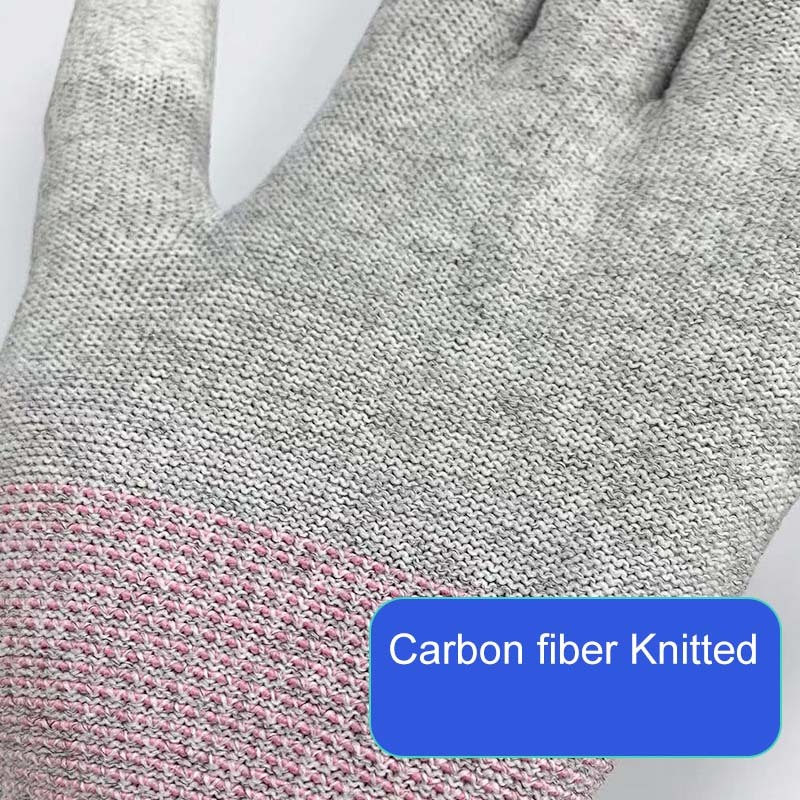
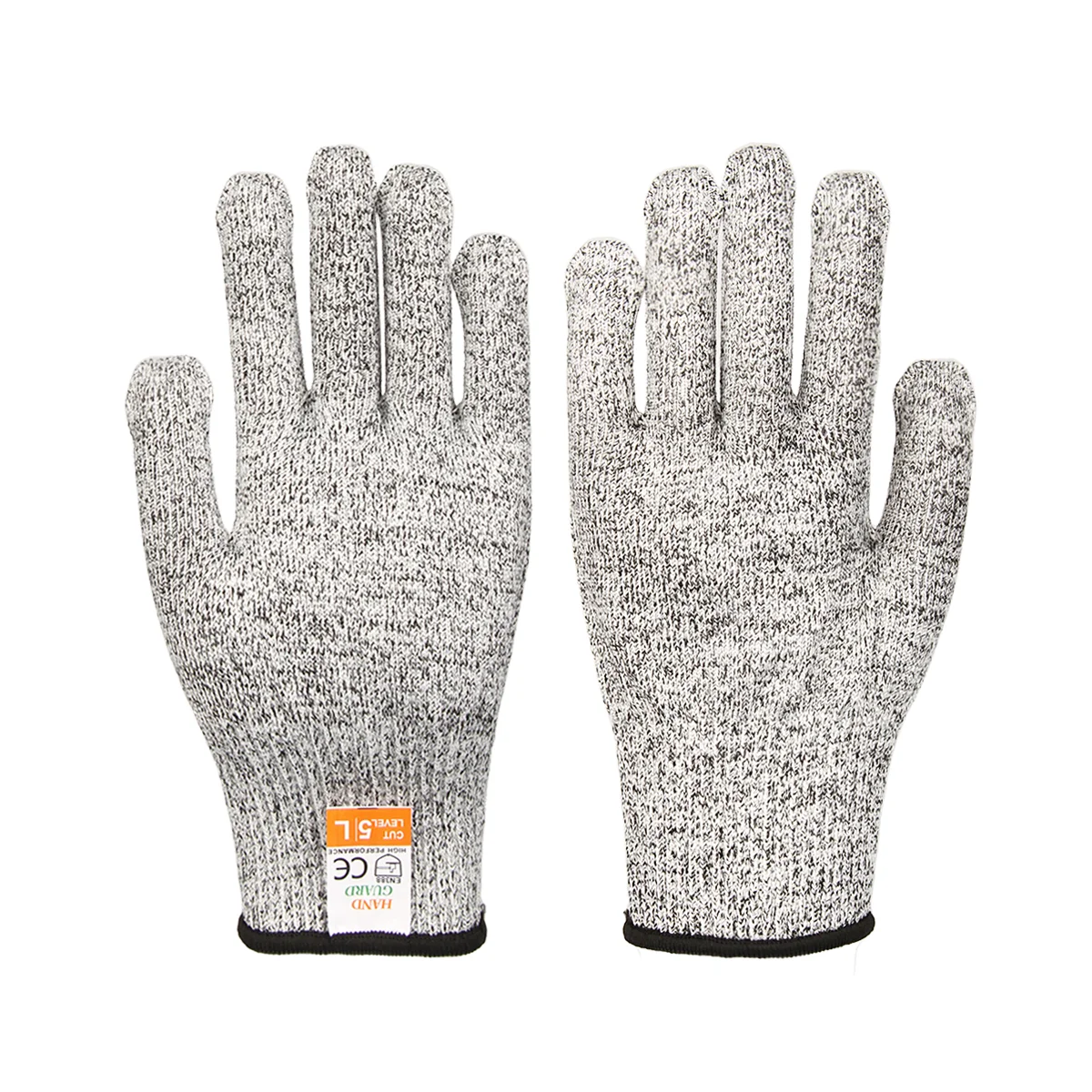
S1001 HPPE Cut Resistant Gloves
- ANSI A3 cut resistance with a lightweight 13-gauge HPPE shell
- Seamless knit for full dexterity across a shift
- OEM labelling and packaging available
For buyers building a specification alongside the paperwork, the wider cut resistant gloves range groups the models most often quoted in tenders.
What to Do When a Report Fails the Checks
A failed check is not automatically a reason to walk away, but it is always a reason to slow down. Ask for the missing document, the correct model reference or the laboratory confirmation, and put the request in writing with a deadline. If a supplier cannot produce a traceable report for the model being quoted, the honest conclusion is that the cut level is unverified, and the purchasing decision should be made on that basis rather than on the specification sheet.
Frequently Asked Questions
How do I know if a test report is genuine?
Confirm it with the issuing laboratory directly. A genuine report can be traced by its report number back to the laboratory that wrote it, and that laboratory can confirm the client and the model tested. If the report cannot be confirmed by the laboratory, treat the claim as unverified regardless of how professional the document looks.
Which accreditation should a glove test report carry?
Look for ISO/IEC 17025 accreditation, which is the international standard for testing and calibration laboratories. The report should display the accreditation mark and a unique report number, so that the accreditation body itself can be checked independently of the supplier.
How often should glove test reports be updated?
Reports should be updated whenever the construction, material or production process changes, and suppliers should be able to confirm when the model was last tested. As a working rule for procurement, request a report that reflects the current construction and re-request it after any notified change to the specification.
0users like this.
