
news
How Steel Gloves for Cutting Protect Chefs from Injuries
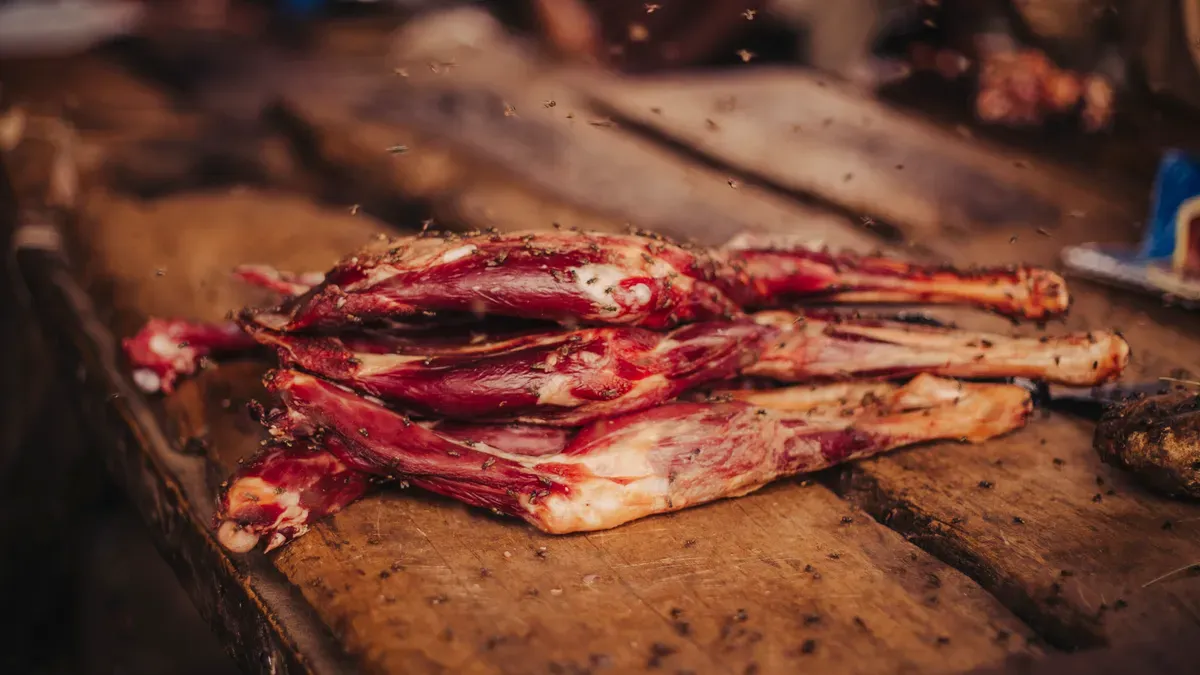
In professional kitchens, safety is paramount. Steel gloves for cutting play a crucial role in protecting chefs from cuts and lacerations during food preparation. These gloves offer a reliable barrier against sharp knives and tools, which are often the sources of injuries. In fact, cuts and lacerations account for about 22% of all restaurant injuries, highlighting the need for effective protective gear. By using steel gloves, chefs can enhance safety and promote a more secure working environment, allowing them to focus on their culinary creations without fear of injury.
Key Takeaways
- Steel gloves for cutting protect chefs from cuts and lacerations, reducing injury risks in professional kitchens.
- Advanced materials like HPPE, fiberglass, and stainless steel ensure durability, flexibility, and high cut resistance.
- Wearing steel gloves boosts chefs' confidence, allowing them to focus on tasks without fear of injury.
- SIZA cut-resistant gloves offer cost-effective durability, reducing replacement costs over time.
- Using steel gloves improves workflow efficiency, enabling chefs to work faster and more accurately.
Safety Benefits of Steel Gloves for Cutting
Protection Against Cuts
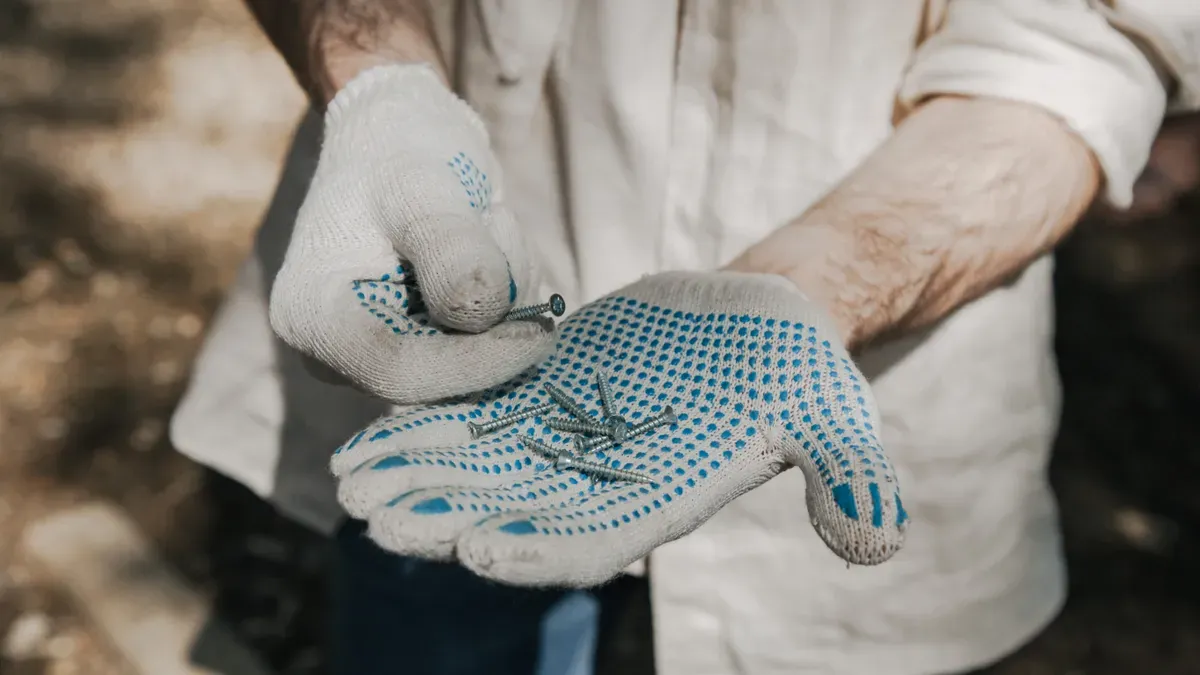
Chefs rely on sharp knives to prepare food efficiently, but these tools can pose serious risks to their hands. Steel gloves for cutting act as a protective shield, reducing the likelihood of accidental cuts. These gloves are crafted from advanced materials that are specifically designed to withstand sharp edges. For instance:
- High-Performance Polyethylene (HPPE): This material is incredibly strong and has a slick surface that allows blades to glide over without causing harm.
- Glass Fiber: Tiny filaments in this material dull the blade's edge upon contact, adding an extra layer of safety.
- Steel Core Blends: These combine stainless steel wire with softer fibers, creating a durable barrier for high-risk tasks.
The use of these materials ensures that chefs can handle knives with confidence, even during intricate tasks like slicing, dicing, or filleting. Additionally, stainless steel mesh, a key component in many cut-resistant gloves, offers long-lasting protection. It resists corrosion, meets international safety standards, and is hygienic, making it ideal for professional kitchens.
Resistance to Lacerations
Lacerations are deeper and more severe than simple cuts, often requiring medical attention. Steel gloves for cutting provide exceptional resistance to such injuries, thanks to their robust construction. The combination of materials like fiberglass, HPPE, and stainless steel creates a tough yet flexible glove that can withstand significant force from sharp objects.
Here’s a quick overview of the materials that contribute to this resistance:
| Material Type | Description |
|---|---|
| Fiberglass | Enhances cut resistance by reinforcing the glove's core. |
| Steel | Offers unmatched durability and protection when blended with other fibers. |
| HPPE | Provides flexibility and cut resistance, ensuring comfort during use. |
| Dyneema® | A lightweight material that delivers high cut resistance without adding bulk. |
These gloves not only protect against accidental slips but also allow chefs to maintain dexterity. This means they can perform their tasks efficiently without compromising safety. By investing in high-quality steel gloves, chefs can significantly reduce the risk of lacerations, ensuring a safer and more productive kitchen environment.
Psychological and Operational Advantages of Cut Resistant Gloves
Increased Confidence in Food Preparation
When chefs wear steel gloves for cutting, they often feel a boost in their confidence. Knowing they have reliable protection allows them to focus on their culinary skills rather than worrying about potential injuries. This sense of security can lead to better performance in high-pressure kitchen environments. For example, a Midwest poultry processor reported a significant reduction in hand laceration injuries after adopting standardized cut-resistant gloves. This change likely improved the chefs' confidence in their safety while working.
Moreover, when chefs feel comfortable and safe, their overall performance tends to improve. A seafood operator found that using task-specific gloves led to higher worker acceptance. Chefs who trust their protective gear can tackle intricate tasks with greater ease, enhancing their creativity and efficiency in the kitchen.
Reduced Workplace Stress
The kitchen can be a stressful environment, especially during busy service hours. Steel gloves for cutting help alleviate some of that stress by minimizing the risk of injuries. When chefs know they are protected, they can concentrate on their tasks without the constant fear of accidents. This reduction in anxiety contributes to a more positive work atmosphere.
Additionally, wearing cut-resistant gloves can foster teamwork and collaboration. When chefs feel secure, they are more likely to communicate effectively and support one another during peak times. This camaraderie can lead to a smoother workflow and a more enjoyable working experience for everyone involved.
Practical Benefits of SIZA Cut Resistant Gloves
Cost-Effectiveness Over Time
Investing in SIZA cut resistant gloves proves to be a smart financial decision for chefs and kitchen managers. While the initial cost may be higher than standard gloves, their durability leads to significant savings in the long run. Durable gloves reduce replacement costs caused by wear and tear or damage. In fact, in harsh working conditions, such as scrap metal sorting or demolition sites, standard thin cut-resistant gloves often fail quickly. Workers might need to replace these gloves as frequently as twice a day, leading to high day-to-day expenses.
By choosing SIZA gloves, chefs can expect extended wear time, which translates to fewer replacements and lower overall costs. This makes SIZA gloves not just a protective measure but also a cost-effective solution for busy kitchens.
Improved Workflow Efficiency
SIZA cut resistant gloves enhance workflow efficiency in professional kitchens. When chefs wear steel gloves for cutting, they can handle sharp tools with confidence. This confidence allows them to work faster and more accurately, reducing the time spent worrying about potential injuries.
Moreover, the gloves' design promotes dexterity, enabling chefs to perform intricate tasks without hindrance. A well-organized kitchen thrives on smooth operations, and when chefs feel secure in their protective gear, they can focus on delivering quality dishes.
To illustrate this, consider the following comparison of SIZA gloves with other brands:
| Brand | Cut Resistance Level | Material Composition | User Ratings |
|---|---|---|---|
| SIZA Cut Resistant Gloves | Level 5 | HPPE, Stainless Steel Mesh | ★★★★★ |
| NoCry Cut Resistant Gloves | Level 5 | HPPE, Nylon, Spandex | ★★★★☆ |
| Dex Fit Level 5 Gloves | Level 5 | HPPE, Spandex | ★★★★★ |
| G & F Products Gloves | Level 4 | HPPE, Fiberglass | ★★★☆☆ |
| Youngstown Knife Safety Gloves | Level 5 | HPPE, Synthetic Leather | ★★★★☆ |
| Pine Tree Tools Cut Resistant | Level 5 | Natural Fibers, HPPE | ★★★★☆ |
This table shows that SIZA gloves not only match but often exceed the performance of competitors, making them a reliable choice for chefs aiming to enhance both safety and efficiency in their kitchens.
Real-World Applications of Steel Gloves in Professional Kitchens
Case Studies of Successful Implementation
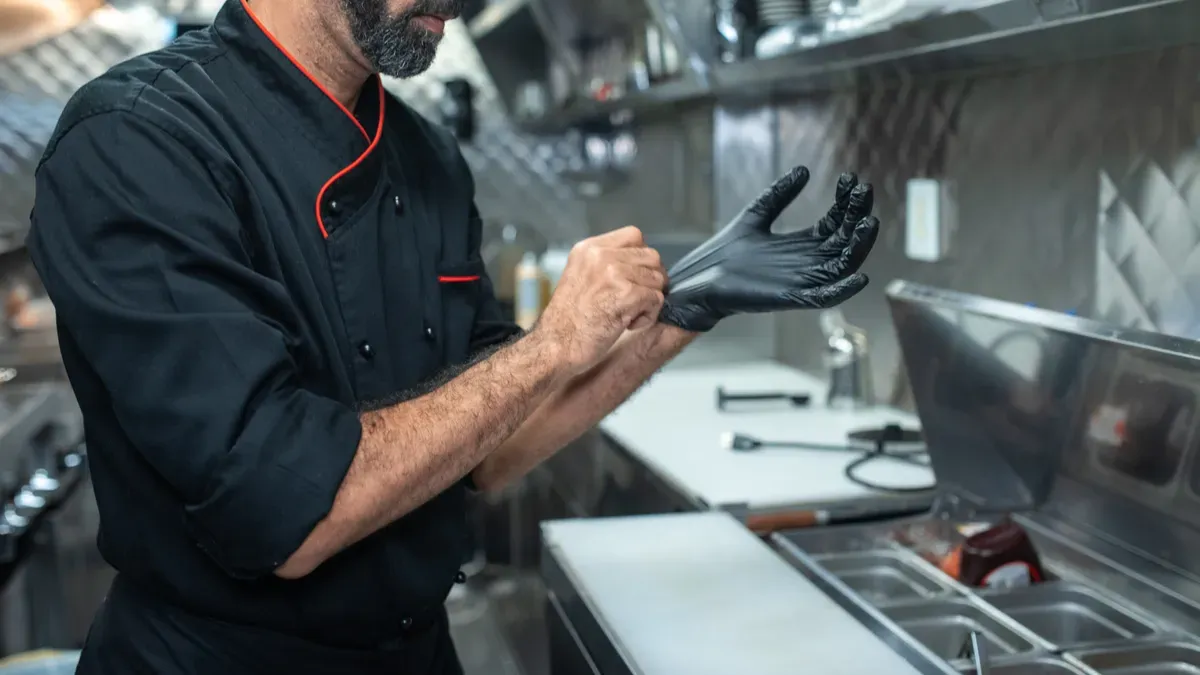
Many professional kitchens have successfully integrated steel gloves for cutting into their safety protocols. For instance, a renowned restaurant in New York City reported a significant drop in hand injuries after adopting these gloves. Chefs noted that the gloves allowed them to work with sharp knives without fear. They could focus on their culinary skills, leading to improved dish quality and faster service.
Another case involved a large catering company that faced frequent laceration incidents. After implementing steel gloves, they conducted cut resistance tests. All gloves passed without sustaining any slice marks, even under increased pressure. This success not only enhanced safety but also boosted employee morale.
Testimonials from Culinary Professionals
Culinary professionals have shared their positive experiences with steel gloves. Here’s what they had to say:
- High cut resistance: Gloves made with engineered yarn can achieve up to ANSI Cut Level A9, providing maximum cut protection.
- Comfort and flexibility: Gloves made with 100% HPPE are softer and more flexible, enhancing user comfort.
- Improved grip: Palm coatings enhance grip, reducing the chances of slips and cuts when handling sharp objects.
- Durability: Composite materials in gloves help extend their lifespan, making them more cost-effective.
"Ultimately, a chainmail glove should be a staple of every home, and certainly those of even mildly clumsy home cooks; mine protects my fingers when I’m making mirepoix but will also be a useful accessory next time I hit the Renaissance Faire or need to handle a falcon. Slice away with freedom, friends."
These testimonials highlight the importance of steel gloves in enhancing safety and job satisfaction in the kitchen. Chefs appreciate the blend of protection and comfort, allowing them to perform their tasks efficiently.
Steel gloves are a vital investment for chefs to ensure safety and prevent injuries. They provide high levels of cut resistance, which is essential for kitchen tasks. Made from advanced materials like steel-core yarns, these gloves enhance protection against serious injuries. Chefs can perform delicate tasks safely while maintaining dexterity.
By adopting steel gloves for cutting, kitchens can significantly reduce injury rates. This leads to increased confidence among workers and smoother production processes. Ultimately, emphasizing the importance of these gloves fosters a safer food preparation experience for everyone involved.
0users like this.
