news
Cut Resistant Gloves Explained: How to Choose the Right Protection for Your Job
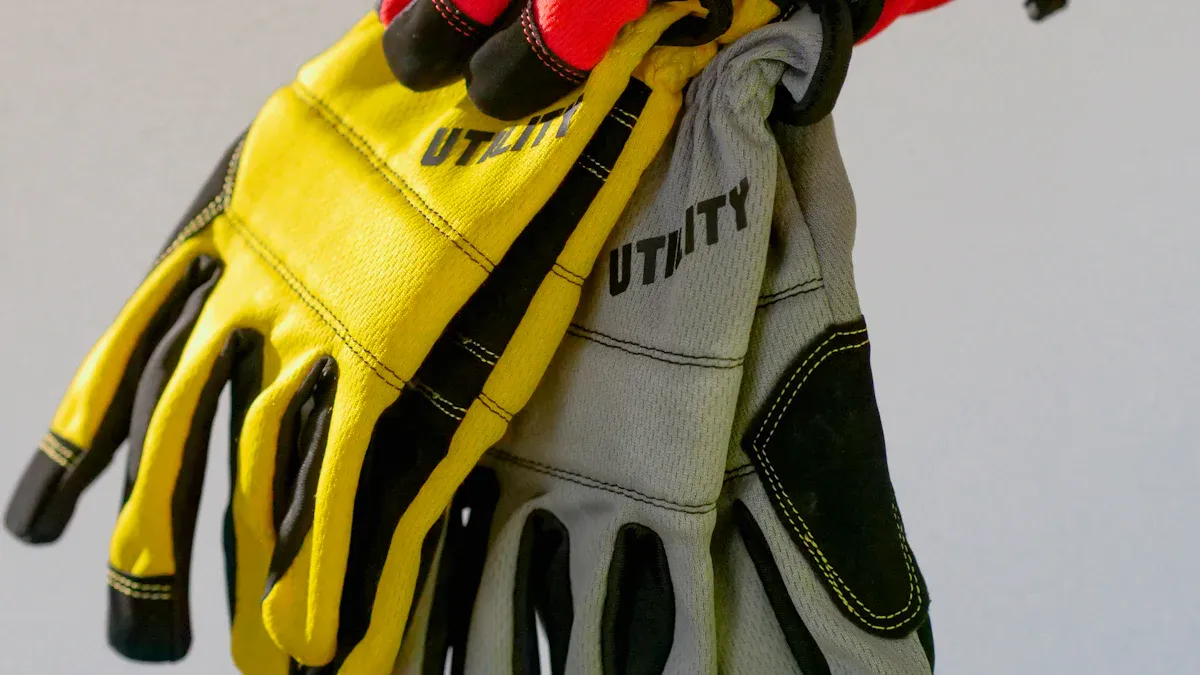
Choosing the right cut resistant gloves can make a big difference in workplace safety. Did you know that lacerations account for over 30% of workplace injuries? This leads to more than one million hand injuries each year! When selecting gloves, several key factors come into play:
- Cut resistance ratings based on your specific tasks.
- Additional hazards like punctures or chemicals.
- The balance between comfort and dexterity.
Proper glove selection is crucial. It not only protects workers but also boosts productivity by allowing them to perform tasks safely and efficiently.
Key Takeaways
- Choosing the right cut resistant gloves can prevent over 30% of workplace injuries related to hand lacerations.
- Understand cut resistance ratings to select gloves that match your specific job hazards and tasks.
- Evaluate dexterity and grip when selecting gloves to ensure safety without sacrificing performance.
- Consider environmental factors like temperature and moisture, as they can affect glove performance and comfort.
- Ensure a proper fit for gloves to enhance safety and prevent distractions during work tasks.
What Are Cut Resistant Gloves?
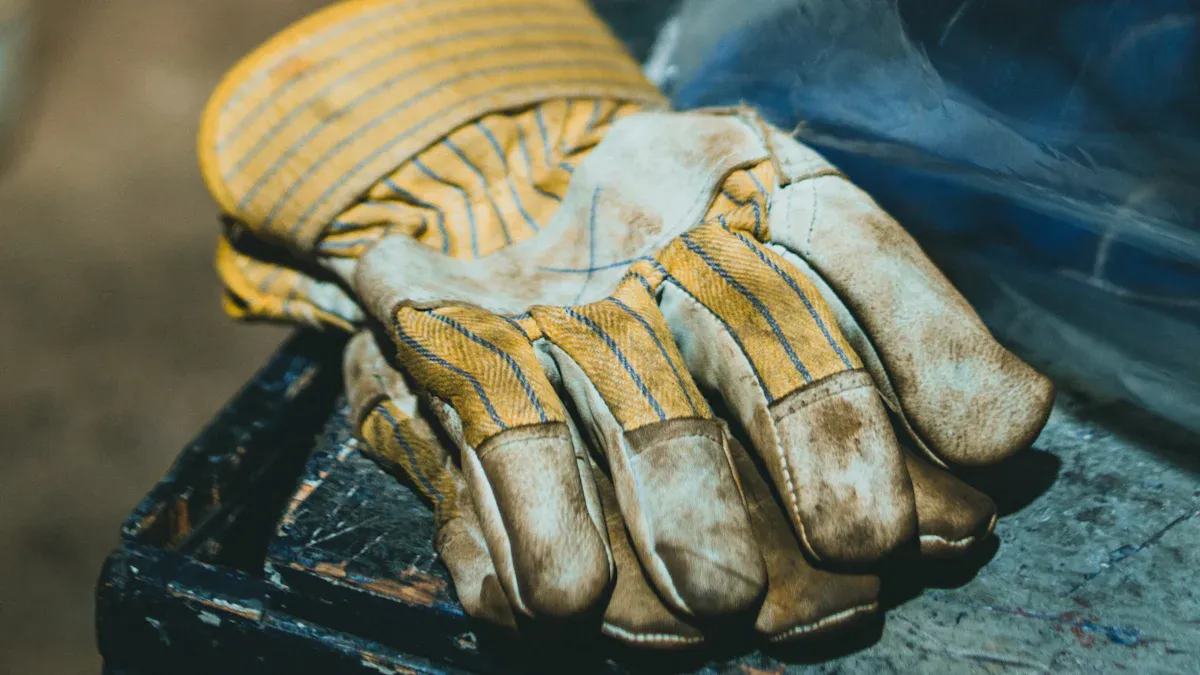
Cut resistant gloves are specialized safety gear designed to protect hands from cuts and lacerations. Workers in various industries, such as construction, manufacturing, and food processing, often wear these gloves. They help prevent injuries while handling sharp objects like glass, metal, or knives.
These gloves come in different materials and designs, each offering varying levels of protection. The key to understanding cut resistant gloves lies in their cut resistance ratings. These ratings indicate how well a glove can withstand cutting forces.
Two main standards define cut resistance in gloves:
| Standard | Measurement Method | Cut Resistance Scale |
|---|---|---|
| ANSI/ISEA 105-2016 | ASTM F2992-15 on TDM-100 | A1 to A9 |
| EN 388:2016 | EN ISO 13997 on TDM-100 | 0 to 5 or A to F |
The ANSI/ISEA 105-2016 standard uses the ASTM F2992-15 method for measuring cut resistance. On the other hand, the EN 388:2016 standard employs the EN ISO 13997 method. Both standards utilize the Tomodynamometer Test Machine (TDM-100) for testing. This ensures that the gloves meet specific safety criteria.
When choosing cut resistant gloves, it's essential to consider the tasks at hand. Not all gloves provide the same level of protection. For example, a worker slicing meat in a kitchen needs different gloves than someone assembling machinery. By selecting the right gloves, workers can significantly reduce the risk of injury and enhance their safety on the job.
Assessing Job Hazards for Cut Resistant Gloves
When it comes to selecting cut resistant gloves, understanding the specific hazards of a job is crucial. Different industries present unique risks that can affect the type of glove needed. Here are some common hazards that workers face:
- Sharp tools
- Heavy equipment
- Unpredictable tasks
Identifying these hazards helps employers choose the right gloves to protect their workers effectively. For instance, a worker handling metal scrap will need gloves that offer high cut resistance due to the sharp edges involved. On the other hand, someone performing electrical work may require thinner gloves for better dexterity, even if the cut risk is moderate.
To help clarify how different job tasks influence glove selection, consider the following table:
| Job Task | Required Glove Features | Cut Resistance Level |
|---|---|---|
| Electrical work (e.g., stripping wires) | Thinner gloves for dexterity; moderate cut risk | Moderate |
| Handling metal scrap | Heavier gloves for cut protection; less dexterity required | High |
| Dealing with chemicals and sharp objects | Multi-purpose gloves that are cut-resistant and chemical-resistant | Varies (high cut risk) |
| Tasks with puncture risk (e.g., needles) | Gloves with added layers for needle resistance | High |
| Tasks with impact risk (e.g., heavy tools) | Impact-resistant gloves with thermoplastic rubber pads for knuckle protection | Varies (high cut risk) |
Employers should also follow OSHA standards when assessing workplace hazards. This involves evaluating the performance characteristics of gloves relative to the specific tasks and hazards present. The ANSI/ISEA-105 standard classifies gloves based on their cut resistance and other performance properties. This systematic approach ensures that workers receive the appropriate hand protection.
Statistical data shows that wearing the correct gloves can prevent up to 70% of hand injuries. Shockingly, about 70% of workers who suffer hand injuries were not wearing any gloves, while the remaining 30% had inadequate or incorrect gloves. This highlights the importance of choosing the right cut resistant gloves for the job.
However, many common mistakes can occur during the selection process. Some workers may have misconceptions about cut resistance levels, leading them to purchase gloves that are unnecessarily high in cut resistance. Others might assume that gloves are cut-proof, creating a false sense of security. It's essential to understand testing standards like ANSI/ISEA 105 and EN388 to select the right gloves. Additionally, conducting personal cut resistance tests can be misleading and unsafe. Matching the glove's cut resistance level to the specific hazards of the job is vital for ensuring safety.
By carefully assessing job hazards and understanding the specific requirements for cut resistant gloves, employers can significantly reduce the risk of injuries in the workplace.
Understanding Cut Resistance Levels of Cut Resistant Gloves

Cut resistance levels play a vital role in selecting the right cut resistant gloves for various tasks. These levels indicate how well a glove can protect against cuts and lacerations. Understanding these ratings helps workers choose gloves that match their specific job requirements.
The ANSI/ISEA 105 standard defines nine cut resistance levels, ranging from A1 to A9. Each level corresponds to the amount of force (measured in grams) required to cut through the glove material. Here's a quick overview:
| ANSI Level | Description | Application Area |
|---|---|---|
| A1 | Low cut resistance | Minimal to light cut hazards |
| A2 | Low cut resistance | Minimal to light cut hazards |
| A3 | Moderate cut resistance | Minimal to light cut hazards |
| A4 | Medium cut resistance | Regular exposure to cut hazards |
| A5 | Medium to high cut resistance | Regular exposure to cut hazards |
| A6 | Medium to high cut resistance | Regular exposure to cut hazards |
| A7 | High cut resistance | Severe cut, abrasion, and puncture risks |
| A8 | High cut resistance | Severe cut, abrasion, and puncture risks |
| A9 | Highest cut resistance | Severe cut, abrasion, and puncture risks |
In addition to the ANSI levels, the EN 388 standard uses a different scale, ranging from 0 to 5 and A to F. This standard measures cut resistance using the ISO 13997 method, which assesses how much force is needed to cut through the glove material.
When selecting cut resistant gloves, it’s essential to consider the specific application and the hazards present in the work environment. For example, a worker in a manufacturing setting may require gloves rated A5 or higher for handling sharp metal parts. In contrast, someone in a packaging role might only need gloves rated A2 or A3 for light material handling.
The effectiveness of cut protection is not solely determined by the cut level. It also depends on how well the glove performs in real-world conditions. The following table illustrates how cut levels correlate with job applications:
| Cut Level | Newtons (grams) | Job Applications |
|---|---|---|
| A | 2 - 4.9 (204 - 508) | Light material handling; small part assembly |
| B | 5 - 9.9 (509 - 1019) | Packaging; warehousing |
| C | 10 - 14.9 (1020 - 1529) | Maintenance; metal handling; light assembly |
| D | 15 - 21.9 (1530 - 2242) | Engineering; automotive; electrical installation |
| E | 22 - 29.9 (2243 - 3058) | Metal stamping; glass manufacturing; automotive assembly; waste management |
| F | 30+ (3059+) | Pulp/paper; heavy metal stamping; glass handling; waste management; recycling |
To determine these cut resistance levels, manufacturers use standardized testing methods. The ANSI/ISEA 105-2016 standard employs the ASTM F2992-15 test, which utilizes a Tomodynamometer (TDM-100) machine. This test ensures consistent cuts in direction and length. A new blade is used for each cut to accurately measure the weight required for cut-through.
Here’s how the testing process works: - A razor blade moves across a swatch of glove fabric. - The pressure applied is measured in grams until the glove is cut through. - The average of multiple runs determines the cut resistance score.
By understanding cut resistance levels and their applications, workers can make informed decisions about the gloves they wear. This knowledge not only enhances safety but also improves overall productivity in the workplace.
Choosing the Right Materials for Cut Resistant Gloves
Selecting the right materials for cut resistant gloves is essential for ensuring safety and comfort on the job. Different materials offer varying levels of protection and comfort, so understanding their properties can help workers make informed choices. Here’s a quick look at some commonly used materials:
| Material Type | Properties |
|---|---|
| High-Performance Polyethylene (HPPE) | Lightweight, soft feel, up to ANSI Level A3 cut resistance, not flame-resistant, can melt under heat. |
| Para-Aramid (e.g., Kevlar®) | High tensile strength, natural flame resistance, up to ANSI Level A3 cut resistance, denser feel. |
| Metal Mesh (Chainmail) | Exceptional cut resistance, ideal for meat processing, limits dexterity. |
| Composite or Engineered Yarns | Blends materials for higher cut protection, up to ANSI Level A9 cut resistance, enhances comfort and dexterity. |
When choosing materials, consider the specific demands of your task. Here are some factors to keep in mind:
- Task-Specific: Identify what you’ll be doing. Different tasks require different glove features.
- Hazards: Assess the main threats. Are you dealing with cuts, punctures, or chemicals?
- Environment: Think about the conditions. Is it wet, hot, or cold?
- Compliance & Standards: Ensure the gloves meet industry standards like ANSI or OSHA.
- Fit: A well-fitting glove is crucial for tasks requiring precision.
- Grip: Consider how much grip you need for your job.
- Dexterity: Determine how much flexibility is necessary.
- Thickness: The glove's thickness can affect both protection and comfort.
For example, Kevlar gloves provide excellent cut resistance but may feel uncomfortable during long wear. On the other hand, Dyneema is 15 times stronger than steel and offers great comfort.
Choosing the right materials for cut resistant gloves not only enhances safety but also boosts productivity. By understanding the properties of different materials, workers can select gloves that best suit their needs.
Evaluating Dexterity and Grip in Cut Resistant Gloves
When selecting cut resistant gloves, dexterity and grip are crucial factors. Workers often need to perform tasks that require precise finger movements. Here’s why evaluating these features matters:
- Dexterity allows for easier finger movement and object gripping. This is essential for precision tasks like electrical work or carpentry.
- High-dexterity gloves enable finer hand movements, which are vital for jobs that require attention to detail.
- Proper grip is equally important. Gloves that are too thick can hinder grip, leading to accidents.
Many gloves designed for dexterity include anti-slip features. These enhancements improve grip without sacrificing flexibility. However, there’s a trade-off to consider. Higher cut resistance levels provide better protection but often reduce dexterity. Increased thickness and stiffness can hinder tactile sensitivity needed for delicate tasks.
To strike a balance, many experts recommend moderate protection levels, such as A3 or A4. These levels offer enough cut resistance while maintaining flexibility. This way, workers can keep their gloves on without compromising safety.
Another aspect to consider is the type of coating on the gloves. Coatings can significantly enhance grip and durability. Here’s a quick look at some common coatings:
| Coating Type | Properties and Benefits | Applications/End User Industries |
|---|---|---|
| Polyurethane (PU) | Excellent dexterity and flexibility, resistant to oils and greases. | Electronics assembly, automotive, general maintenance. |
| Nitrile | Superior puncture resistance, good grip in wet and dry conditions. | Automotive, metal stamping, food processing. |
| Latex | Excellent grip and elasticity, high resistance to abrasion and cuts. | Construction, landscaping, warehousing. |
Choosing the right cut resistant gloves involves balancing protection with the need for dexterity and grip. By understanding these factors, workers can select gloves that enhance safety and performance on the job.
Considering Environmental Factors for Cut Resistant Gloves
When choosing cut resistant gloves, it’s essential to consider environmental factors. Conditions like temperature and moisture can significantly impact glove performance. Here are some key points to keep in mind:
-
Temperature Effects: Extreme heat can cause materials to deform or become brittle. For instance, rubber gloves may swell or even rupture if they exceed their thermal tolerance. On the other hand, cold temperatures can lead to brittleness and loss of flexibility. Natural rubber gloves perform poorly below -20°C, while PVC becomes rigid in the cold.
-
Moisture Management: Moisture levels in glove fabrics also play a crucial role. Studies show that gloves with phase change materials (PCM) release heat more slowly than those without. This feature provides better thermal protection. Interestingly, higher moisture levels can enhance thermal dissipation after heat exposure, reducing the time it takes to reach a second-degree burn threshold on the skin.
-
Cold-Resistant Materials: For cold environments, gloves often use specially formulated synthetic rubbers like EPDM or nitrile rubber. These materials include plasticizers to maintain toughness, ensuring that gloves remain flexible even in frigid conditions.
Remember, exposure to temperatures of 5 °C or lower can impair manual dexterity, making tasks take longer, even with protective gloves.
By considering these environmental factors, workers can select cut resistant gloves that not only protect against cuts but also perform well under specific conditions. This thoughtful approach enhances safety and efficiency on the job.
Ensuring Proper Fit of Cut Resistant Gloves
Finding the right fit for cut resistant gloves is crucial for safety and comfort. Gloves that fit well allow workers to perform tasks effectively without distractions. Here are some key factors to consider when ensuring a proper fit:
- Durability: Choose gloves that can withstand tough work conditions while providing adequate protection.
- Material Selection: Selecting suitable material is crucial for comfort and protection. Uncomfortable gloves may lead to frequent removal, increasing the risk of cuts.
- Grip: A firm grip is essential, especially in oily or wet conditions. Gloves must deliver on their grip promises to ensure safety.
- Comfort: Proper fit is vital for comfort and safety. Gloves should not be too tight or restrictive.
Improperly fitting gloves can lead to serious safety issues. For instance, loose gloves can catch on equipment, leading to entrapment injuries. Tight gloves can restrict movement and blood flow, causing fatigue and distraction. Both scenarios can result in decreased grip strength and dexterity, compromising safety and productivity.
Here are some specific risks associated with poor glove fit:
- Loose gloves can snag sharp edges or interfere with precision tools, leading to abrasions or lacerations.
- Tight gloves can restrict circulation, causing discomfort and cramps, which may lead workers to remove gloves mid-task.
- Gloves that hinder touch sensitivity increase the risk of error, as grip strength and dexterity are critical in nearly every trade.
To help workers find the right size, manufacturers often follow specific sizing standards. The ANSI/ISEA 105 and EN 388 standards are the primary guidelines for cut resistant gloves. These standards categorize gloves based on their cut resistance levels, ensuring that workers can find the right fit for their needs.
By ensuring a proper fit, workers can enhance their safety and performance while using cut resistant gloves. A well-fitting glove not only protects hands but also boosts confidence on the job.
Selecting the right cut resistant gloves is vital for workplace safety. These gloves protect against lacerations, cuts, and knife injuries. While they minimize the chance of injury, they can't eliminate risks entirely. Proper use, along with safety practices, is essential for effective injury prevention.
Workers should assess their specific job needs when choosing gloves. Different tasks require different levels of protection. For example, foam nitrile-coated gloves have shown excellent performance in dexterity and usability, making them ideal for cutting tasks.
In summary, investing time in selecting the right cut resistant gloves can significantly reduce workplace injuries and enhance safety.
0users like this.