
news
Comparing Meat Cutting Gloves for Ultimate Protection
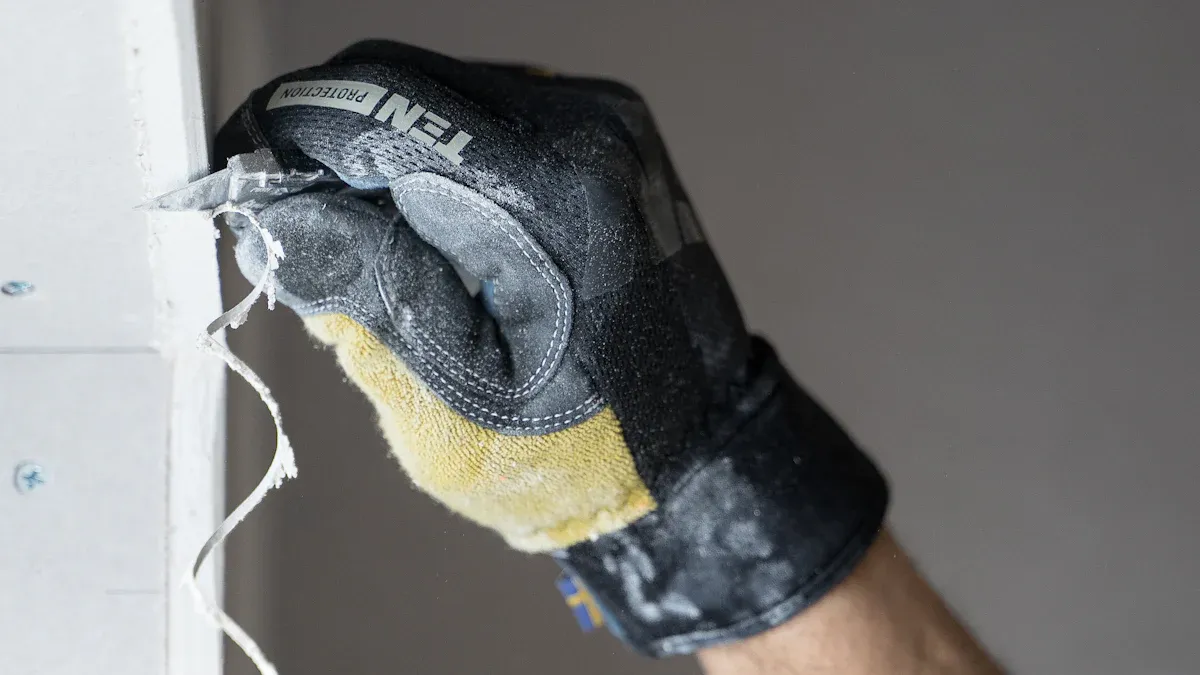
When it comes to meat preparation, choosing the right meat cutting gloves is crucial for safety. The meatpacking industry reports alarming injury rates, with 5.4 total recordable cases per 100 full-time workers, highlighting the need for effective protection. Workers face sharp tools daily, making reliable gloves essential. Comfort and durability also play a vital role; gloves should fit well and withstand frequent use. Investing in high-quality gloves not only protects hands but also enhances overall efficiency in the kitchen.
Key Takeaways
- Safety is paramount when choosing meat cutting gloves. Opt for gloves with high cut resistance ratings to protect against sharp tools.
- Comfort and fit are crucial. A snug fit enhances dexterity and reduces fatigue, allowing for better control while handling knives.
- Consider the material of the gloves. High-performance polyethylene and stainless steel mesh offer different benefits for various tasks.
- Always check the cut resistance rating. Higher ratings indicate better protection, especially for heavy-duty meat processing tasks.
- Investing in quality gloves boosts efficiency in the kitchen. Reliable gloves not only protect hands but also enhance confidence while working.
Overview of Meat Cutting Gloves

When it comes to meat cutting gloves, safety is the top priority. These gloves come in various types, each designed to protect against sharp tools and hazards in the kitchen. Here’s a quick look at the primary types available:
-
Cut-resistant gloves: These are essential for anyone working with sharp knives or blades. They often feature high-strength polyethylene fibers, sometimes mixed with fiberglass or steel wire. This combination provides excellent protection against cuts and lacerations.
-
Specialized gloves: Some gloves are specifically designed for meat processing. They protect against sharp edges and are made from materials like Kevlar and synthetic high-performance yarns. These materials can be combined with stainless steel and glass fiber for even better protection.
-
High-strength options: Many cut-resistant gloves use Kevlar fabric, known for its durability. Some high-strength products include synthetic yarns mixed with stainless steel and glass fiber, offering superior protection in demanding environments.
Choosing the right glove depends on the specific tasks at hand. For instance, if someone frequently handles sharp knives, a cut-resistant glove with a high cut resistance rating is crucial. On the other hand, those who need flexibility and dexterity might prefer gloves that balance protection with comfort.
Key Features to Consider
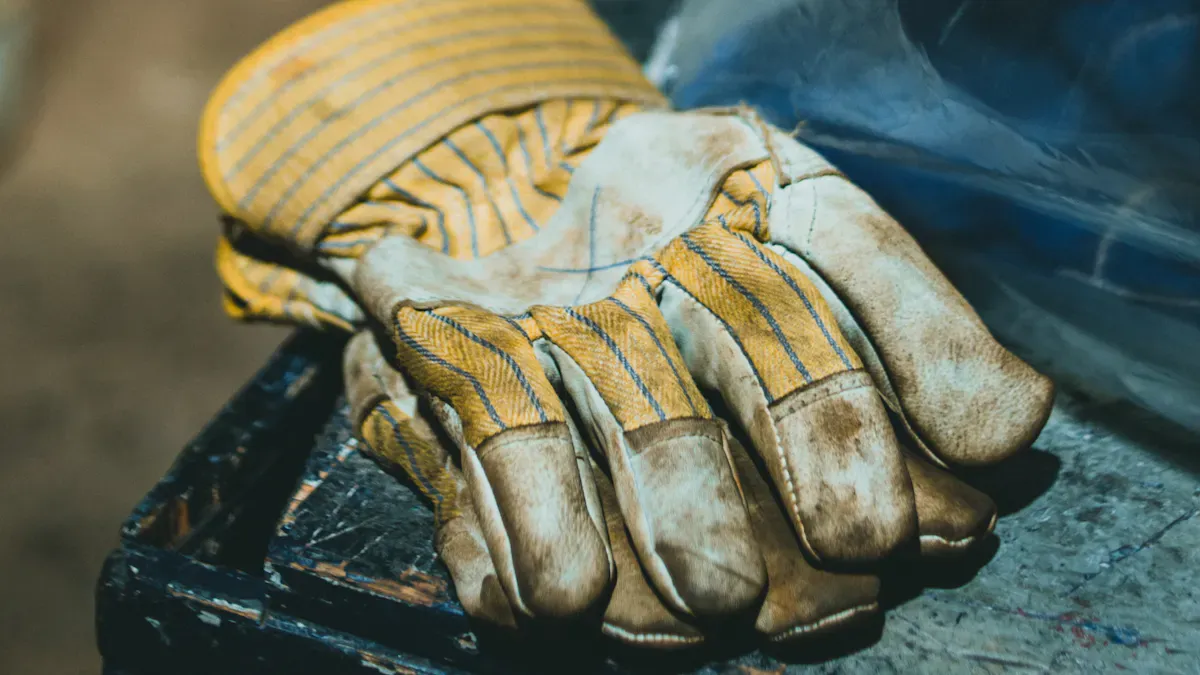
When selecting meat cutting gloves, several key features can significantly impact safety and performance. Understanding these features helps users make informed decisions.
Material Types
The materials used in meat cutting gloves play a crucial role in their effectiveness. Here are some common materials and their benefits:
- Stainless Steel Mesh: This material offers high cut resistance, making it ideal for high-risk tasks like butchering. However, it can be stiff and heavy, which may limit dexterity.
- High-Performance Polyethylene (HPPE): Known for its lightweight and flexible nature, HPPE provides excellent comfort and greater dexterity. It’s suitable for precision tasks, such as handling small parts.
To illustrate the differences between these materials, consider the following table:
| Feature | Stainless Steel Mesh | High-Performance Polyethylene (HPPE) |
|---|---|---|
| Cut Resistance | ANSI A8-A9 | ANSI A2-A6 |
| Comfort | Stiff and heavy, less dexterity | Lightweight and flexible, greater dexterity |
| Ideal Use | High-risk tasks (e.g., butchering) | Precision tasks (e.g., handling small parts) |
| Maintenance | Easy to sanitize | Machine washable |
| Chemical Resistance | Non-porous, resists bacteria | Resists chemicals, oils, solvents |
| Weight | Heavier, can cause fatigue | Lighter, reduces hand fatigue |
Cut Resistance Ratings
Cut resistance ratings are essential for ensuring safety in meat preparation. The American National Standards Institute (ANSI) categorizes cut resistance into levels A1 to A9. Higher levels indicate greater protection. For example, gloves rated A6 or higher are suitable for heavy-duty tasks like meat processing, where the risk of cuts is significant.
Here’s a quick overview of the ANSI cut levels:
| ANSI Cut Level | Gram Score Range | Example Applications |
|---|---|---|
| A1 | 201-499 | Light assembly, general maintenance |
| A2 | 500-999 | Packaging, warehousing |
| A3 | 1000-1499 | Light metal fabrication, automotive repair |
| A4 | 1500-2199 | Glass handling, sheet metal work |
| A5 | 2200-2999 | Automotive assembly, construction, recycling |
| A6 | 3000-3999 | Heavy metal fabrication, meat processing |
| A7 | 4000-4999 | Pulp and paper, heavy construction |
| A8 | 5000-5999 | Surgical instrument manufacturing, high-risk recycling |
| A9 | >6000 | Very high cut risk environments, severe glass handling |
Understanding these ratings helps users select gloves that meet their specific needs, especially in environments where sharp tools are commonplace.
Grip and Dexterity
Grip and dexterity are vital for effective meat cutting. Gloves should allow users to handle tools and ingredients confidently. A good grip prevents slips and enhances control, which is crucial when working with sharp knives.
Many gloves feature textured surfaces or coatings, such as nitrile dots, to improve grip. This added feature ensures that users can maintain a firm hold on their tools, reducing the risk of accidents. Additionally, gloves that prioritize dexterity allow for more precise movements, making them ideal for intricate tasks.
Comfort and Fit
When it comes to meat cutting gloves, comfort and fit are just as important as cut resistance. A glove that fits well allows users to work efficiently without distractions. If gloves are too tight, they can cause fatigue and discomfort. On the other hand, loose gloves can slip off or hinder dexterity, increasing the risk of accidents.
Many glove brands focus on ergonomics to ensure a proper fit for various hand sizes and shapes. They consider flexibility, dexterity, and tactile sensitivity in their designs. For instance, some gloves feature curved fingers that align with the natural shape of the hand. This design enhances comfort and allows for better control when handling sharp tools.
Tip: Always try on gloves before purchasing. A snug fit should feel comfortable without restricting movement.
Size Options
Choosing the right size for meat cutting gloves is crucial for safety and performance. Gloves come in various sizes, including extra-large options designed to fit most hands comfortably. A proper fit ensures that the gloves provide adequate protection against cuts while allowing for dexterity and control when handling sharp kitchen tools.
Here’s a quick overview of common glove sizes and their implications:
| Size | Hand Width (inches) | Hand Length (inches) | Ideal Use |
|---|---|---|---|
| Small | 7.0 - 7.5 | 6.5 - 7.0 | Light tasks, precision cutting |
| Medium | 7.5 - 8.0 | 7.0 - 7.5 | General meat preparation |
| Large | 8.0 - 8.5 | 7.5 - 8.0 | Heavy-duty tasks |
| Extra Large | 8.5 - 9.0 | 8.0 - 8.5 | Versatile use, maximum protection |
Selecting the right size not only enhances comfort but also boosts confidence in handling sharp tools. When gloves fit properly, users can focus on their tasks without worrying about their safety.
Comparison of Top Brands
When it comes to choosing the best meat cutting gloves, several brands stand out for their safety features and durability. Let's take a closer look at SIZA and two other top contenders in the market.
SIZA Cut Resistant Gloves: Features and Benefits
SIZA cut resistant gloves are designed with safety and comfort in mind. They utilize advanced materials like high-performance polyethylene (HPPE) and stainless steel mesh, providing excellent cut resistance. Here are some key features:
- Cut Resistance: SIZA gloves typically offer cut resistance ratings of A6 or higher, making them suitable for heavy-duty tasks in meat processing.
- Comfort: These gloves are lightweight and flexible, allowing users to maintain dexterity while handling sharp tools.
- Durability: Made from high-quality materials, SIZA gloves are built to last, reducing the need for frequent replacements.
- Versatility: They are suitable for various applications, from food processing to metal fabrication.
SIZA gloves not only protect hands but also enhance productivity in the kitchen. Users appreciate their snug fit and ergonomic design, which allows for precise movements.
Brand B: Features and Benefits
Brand B, known for its Cordova Commander Impact gloves, offers impressive features that cater to meat cutting professionals. Here’s what sets them apart:
- Cut Protection: These gloves provide level A7 cut protection, ensuring safety during high-risk tasks.
- Material Composition: They combine high-performance polyethylene with steel and glass fibers, enhancing durability and resistance to cuts.
- Comfort Features: The gloves are designed to fit comfortably, reducing hand fatigue during extended use.
- Breathability: Users often note that these gloves allow for good airflow, keeping hands cool during intense work.
Overall, Brand B gloves are a solid choice for those seeking reliable protection without sacrificing comfort.
Brand C: Features and Benefits
Brand C stands out with its unique metal mesh gloves, which offer advanced protection for meat cutting tasks. Here’s a breakdown of their features:
| Material Type | Features | Cut Resistance Level | Ideal Use |
|---|---|---|---|
| Metal Mesh | Made of interlocking stainless steel rings, providing advanced cut and puncture resistance. | Level 5 | Cutting and preparing meat and poultry. |
While Brand C gloves excel in cut resistance, some users have reported discomfort due to poor fit for different hand sizes. Issues like inadequate fingertip fitting can affect grip sensitivity. Additionally, the weight of these gloves may lead to fatigue during prolonged use. Despite these drawbacks, many appreciate the high level of protection they offer.
Brand D: Features and Benefits
Brand D has made a name for itself in the meat cutting gloves market with its innovative designs and commitment to safety. Their gloves are crafted to meet the needs of professionals who work with sharp tools daily. Here’s a closer look at what makes Brand D stand out:
-
Advanced Cut Protection: Brand D gloves typically feature a cut resistance rating of A5 or higher. This level of protection is crucial for anyone handling sharp knives or blades in meat preparation. Users can feel confident knowing their hands are well-protected.
-
Comfortable Fit: These gloves are designed with user comfort in mind. They often include ergonomic features that allow for a snug fit without sacrificing flexibility. This design helps reduce hand fatigue during long hours of work.
-
Enhanced Grip: Many of Brand D's gloves come with textured surfaces that improve grip. This feature is especially important when working with wet or slippery surfaces, as it helps prevent accidents. A secure grip allows users to handle tools and ingredients with confidence.
-
Durability: Made from high-quality materials, Brand D gloves are built to last. They resist wear and tear, making them a cost-effective choice for businesses that require reliable hand protection. Users appreciate the longevity of these gloves, reducing the need for frequent replacements.
-
Versatile Applications: These gloves are not just for meat cutting. They can also be used in various industries, including food processing and construction. Their versatility makes them a valuable addition to any workplace where hand safety is a priority.
Tip: When selecting gloves, consider your specific needs. If you frequently handle sharp tools, opt for gloves with higher cut resistance ratings.
Overall, Brand D offers a well-rounded option for those seeking reliable meat cutting gloves. Their focus on safety, comfort, and durability makes them a popular choice among professionals.
Pros and Cons
Advantages of SIZA Cut Resistant Gloves
SIZA cut resistant gloves offer several benefits that make them a top choice for meat preparation. Here are some key advantages:
- High Cut Resistance: With ratings of A6 or higher, these gloves provide excellent protection against sharp tools.
- Comfortable Fit: Their lightweight design allows for flexibility, making it easier to handle knives and other equipment.
- Durability: Made from high-quality materials, SIZA gloves are built to last, reducing the need for frequent replacements.
- Versatile Use: These gloves are suitable for various tasks, from meat processing to metal fabrication.
Advantages of Other Brands
While SIZA gloves are impressive, other brands also have their strengths. Here’s a look at how they compare:
| Brand | Cut Resistance Rating | Average Rating | Material | Food Safe | Additional Features |
|---|---|---|---|---|---|
| JZD Stainless Steel Gloves | Not specified | 4.5 stars | 304 stainless steel | Not specified | Best Sellers Rank #40,371 |
| ARCLIBER Level 9 Gloves | Level 9 | Not specified | 316L stainless steel + polyethylene fiber | Yes | Adjustable buckle, Multi-use applications |
| Dowellife Cut Resistant Gloves | Level 5 | 4.5 stars | High-performance cut-resistant material | Yes | Elastic nylon for snug fit, Proven quality with 15,000 ratings |
These brands also provide solid options for users. For instance, ARCLIBER gloves offer a high cut resistance rating of Level 9, making them suitable for very high-risk tasks. Dowellife gloves are praised for their snug fit and proven quality, ensuring safety and comfort during use.
Tip: When choosing gloves, consider your specific needs. Each brand has unique features that may suit different tasks better.
Overall, whether opting for SIZA or exploring other brands, users can find reliable meat cutting gloves that enhance safety and efficiency in the kitchen.
User Reviews and Recommendations
Summary of User Feedback on SIZA Gloves
Users consistently praise SIZA cut resistant gloves for their comfort and protection. Many appreciate the lightweight design, which allows for easy movement while handling sharp tools. Here are some common themes from user feedback:
- Comfort: Users often mention how the gloves fit snugly without being restrictive. This comfort helps them work longer without fatigue.
- Durability: Many reviews highlight the gloves' ability to withstand daily use in demanding environments. Users report that they last longer than other brands.
- Cut Resistance: Customers feel confident using these gloves, knowing they provide excellent protection against cuts and lacerations.
"I’ve tried several brands, but SIZA gloves are my go-to for meat cutting. They’re comfortable and keep my hands safe!" - A satisfied user.
Expert Recommendations
Experts in the field of food safety and kitchen operations recommend SIZA gloves for their high cut resistance and ergonomic design. They emphasize the importance of choosing gloves that not only protect but also allow for dexterity. Here’s what experts say:
- Safety First: Experts stress that gloves with higher cut resistance ratings, like those from SIZA, are essential for anyone working with sharp knives.
- Versatility: Many professionals appreciate that SIZA gloves are suitable for various tasks, from meat preparation to other industrial applications.
- User-Friendly: Experts note that the gloves' design promotes ease of use, making them ideal for both seasoned chefs and home cooks.
Choosing the right meat cutting gloves is essential for safety and efficiency in the kitchen. The best gloves offer high cut resistance, comfort, and durability. For heavy-duty tasks, SIZA gloves stand out with their excellent protection and flexibility. If users need something breathable, Brand B might be the way to go.
Remember, safety and comfort should always come first when selecting gloves. Investing in quality gloves not only protects hands but also boosts confidence while working with sharp tools.
Tip: Always try on gloves to find the perfect fit!
0users like this.
