
news
Best Kitchen Safety Gloves to Prevent Cuts in 2026
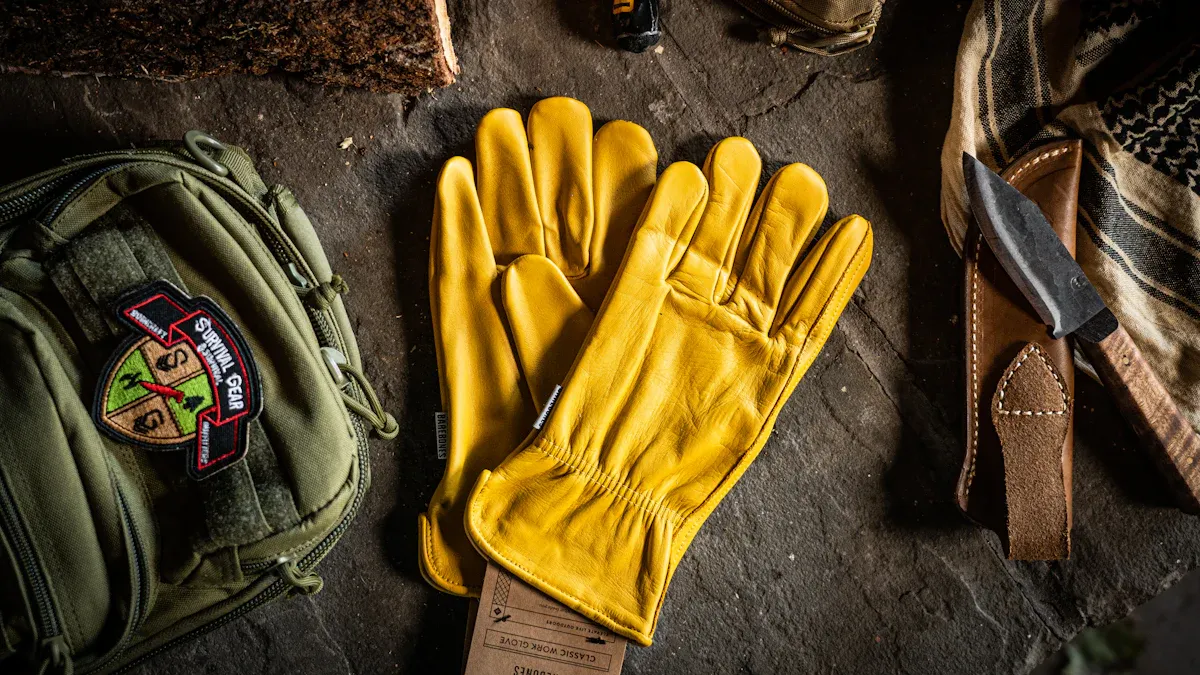
In a busy kitchen, safety should always come first. Cut-resistant gloves play a vital role in protecting hands from sharp knives and other tools. They help prevent cuts and lacerations, allowing chefs to focus on their culinary creations without worry. When looking for the best cut resistant gloves kitchen, consider those that offer the right blend of comfort, durability, and protection. Investing in high-quality gloves not only enhances safety but also boosts confidence while cooking.
Key Takeaways
- Cut-resistant gloves are essential for kitchen safety, protecting hands from sharp tools and preventing injuries.
- Choose gloves based on cut resistance levels; higher ratings offer better protection for demanding tasks.
- Comfort and fit are crucial; well-fitted gloves enhance dexterity and reduce fatigue during long cooking sessions.
- Investing in high-quality gloves saves money over time by reducing injury-related costs and the need for frequent replacements.
- Regular maintenance, including proper cleaning and storage, extends the lifespan of cut-resistant gloves.
Top 5 Best Cut-Resistant Gloves for Kitchen Safety in 2026
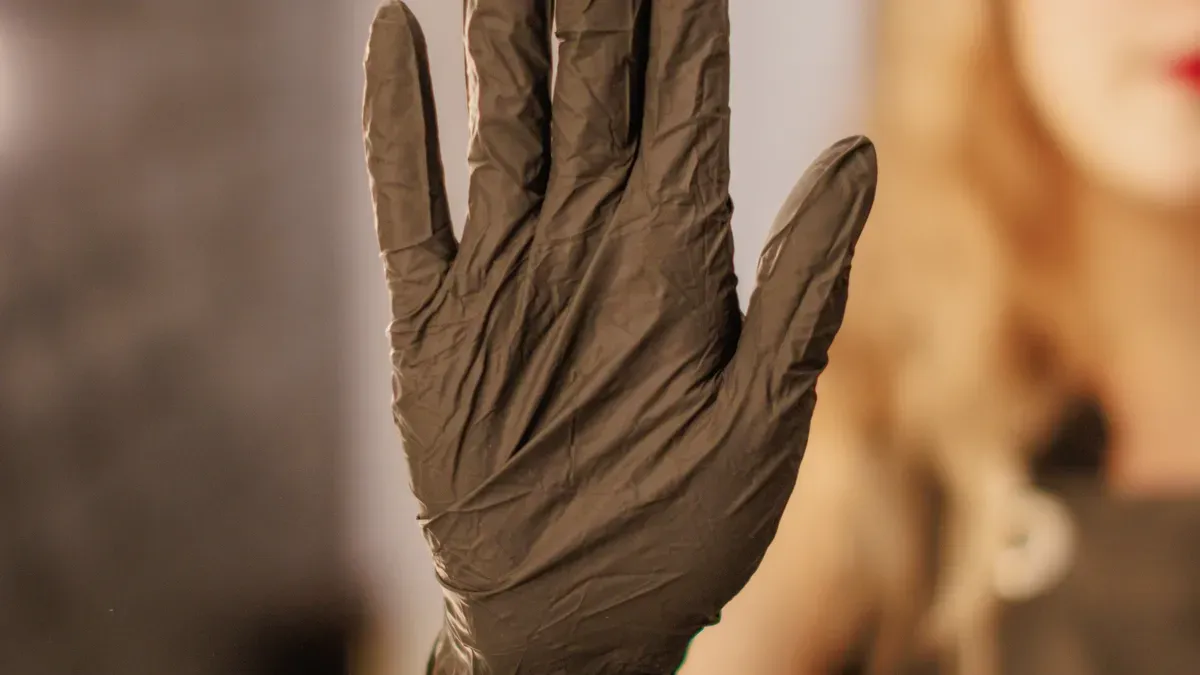
Glove #1: NoCry Premium Cut Resistant Gloves
NoCry Premium Cut Resistant Gloves stand out as a top choice for kitchen safety. These gloves are food-grade certified, ensuring safety when handling food. They feature an ambidextrous design, making them easy to wear without worrying about left or right orientation. Users appreciate that they are machine washable, simplifying the cleaning process after a busy cooking session. The snug fit allows for excellent dexterity, which is crucial when using sharp knives. However, while they resist cuts effectively, they are not suitable for puncture hazards. With a limited lifetime warranty, NoCry shows confidence in their product, making these gloves a reliable option for any kitchen.
Glove #2: Dyneema Cut Resistant Gloves
Dyneema Cut Resistant Gloves offer exceptional protection and comfort. They meet rigorous cut resistance standards, ensuring safety in the kitchen. Here’s a quick look at their performance metrics:
| Test Type | Description |
|---|---|
| EN388 COUP | Evaluates cut resistance using a rotating circular blade, assigning a level from 1 to 5. |
| TDM-100 | Measures cut level according to ISO 13997 and ASTM F2992 standards. |
| Puncture-resistance tensile test | Assesses puncture resistance based on EN388 and tensile properties based on ISO 13934. |
| Abrasion-resistance test | Evaluates how many cycles a glove can resist against abrasive material, determined by EN388. |
| Yarn-twist test | Measures twists during yarn covering, critical for comfort and cut performance. |
| Microscopic analysis | Studies surface morphology of fibers to understand composition and construction. |
These gloves provide a great balance of flexibility and protection, making them ideal for various kitchen tasks. Their lightweight design ensures comfort during extended use.
Glove #3: Schwer's SlicePro Cut-Resistant Glove
Schwer's SlicePro Cut-Resistant Glove is another excellent option for kitchen safety. It scored an impressive 9.8 for protection and comfort in user reviews. This glove is highly versatile, suitable for tasks like slicing vegetables and filleting fish. Users rave about its high level of protection, which gives them peace of mind while working with sharp tools. The comfort it provides allows chefs to focus on their culinary skills without distraction.
These three gloves represent some of the best cut resistant gloves kitchen enthusiasts can choose in 2026. Each offers unique features that cater to different needs, ensuring safety and efficiency in the kitchen.
Glove #4: Mercer Culinary MercerGuard Cut Glove
Mercer Culinary MercerGuard Cut Glove is a fantastic choice for anyone serious about kitchen safety. These gloves are made from high-performance materials that provide excellent cut resistance. They meet both ANSI and CE EN standards, ensuring they offer reliable protection. The gloves feature a snug fit, which enhances dexterity while handling sharp knives and tools.
One of the standout features of the MercerGuard Cut Glove is its breathable design. This keeps hands cool and comfortable during long cooking sessions. Users appreciate the added grip, which helps prevent slips when working with wet or oily surfaces. Plus, they are machine washable, making cleanup a breeze after a busy day in the kitchen.
Glove #5: SIZA Cut Resistant Gloves
SIZA Cut Resistant Gloves are another top contender among the best cut resistant gloves kitchen options in 2026. These gloves are crafted from advanced materials like latex, nitrile, and polyethylene, providing robust protection against cuts, abrasions, and punctures. They are designed to meet rigorous safety standards, including ANSI and CE EN ratings. The gloves feature a unique rating system, where a higher number indicates greater cut resistance. For instance, the highest cut-resistance level is marked by an 'F' designation in EN 388, which corresponds to ANSI's A9 rating.
SIZA gloves also prioritize comfort and flexibility. Users can easily perform intricate tasks without feeling restricted. The gloves are available in various sizes, ensuring a snug fit for everyone. With their durability and reliability, SIZA Cut Resistant Gloves are a smart investment for anyone looking to enhance kitchen safety.
Both Mercer Culinary and SIZA gloves offer excellent protection and comfort, making them ideal choices for any kitchen environment.
Key Features to Look for in Cut-Resistant Gloves

When choosing the best cut-resistant gloves for your kitchen, it’s important to focus on key features that ensure safety, durability, and comfort. Let’s break down the most critical aspects to consider.
Cut Resistance Levels and Standards
Cut resistance is the most important factor when selecting kitchen gloves. Gloves are rated based on international standards like ANSI/ISEA 105-2016 and EN 388:2016. These standards measure how well a glove can withstand cuts and abrasions. Here’s a quick comparison of the two:
| Standard | Measurement Scale | Testing Method |
|---|---|---|
| ANSI/ISEA 105-2016 | A1 to A9 | ASTM F2992-15 |
| EN 388:2016 | 0 to 5, A to F | EN ISO 13997, Coup Test |
For kitchen use, the recommended cut resistance levels vary depending on the task:
- For general food prep, such as slicing fruits and vegetables, gloves rated between ANSI A2 and A4 are ideal.
- For more demanding tasks like trimming meat or handling sharp knives, opt for gloves with a higher cut resistance level, such as A5 or above.
- If you’re working with seafood or shucking oysters, choose gloves that offer both high cut resistance and excellent grip.
Here’s a detailed breakdown of cut resistance levels and their applications:
| Cut Level (ISO 13997) | Cut Resistance (Newtons) | Typical Kitchen Tasks & Risks | Recommended For |
|---|---|---|---|
| Level A | ≥ 2N | Low-risk food handling, vegetable prep with standard knives. Minimal cut hazard. | General kitchen porters, light prep chefs. |
| Level B | ≥ 5N | General cutting and slicing, deboning poultry, using mandolines with a guard. | Line cooks, sous chefs, catering staff. |
| Level C | ≥ 10N | Boning fish, moderate-pressure butchery, handling broken glass or ceramics. | Fishmongers, prep chefs handling slicers. |
| Level D | ≥ 15N | Heavy-duty butchery, breaking down large meat primals, shucking oysters. | Head butchers, staff cleaning meat slicers. |
| Level E | ≥ 22N | High-pressure tasks with extremely sharp blades, dealing with industrial slicers. | Specialist butchery roles, high-risk environments. |
| Level F | ≥ 30N | Maximum protection for the most hazardous tasks. Extreme blade pressure. | Not typically required in standard kitchens, reserved for industrial applications. |
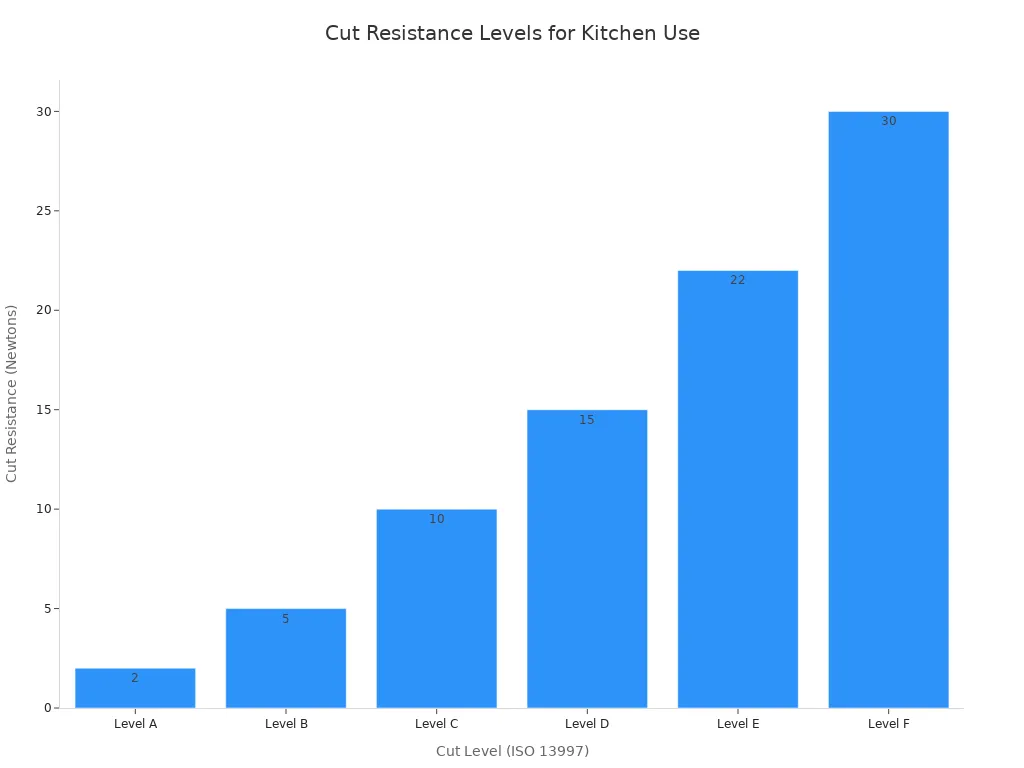
Understanding these levels helps you pick gloves that match your kitchen tasks, ensuring both safety and efficiency.
Material and Durability
The material of a glove directly impacts its durability and performance. High-quality materials like Dyneema® and aramid are commonly used in cut-resistant gloves. Here’s a quick comparison of their average lifespan:
| Material | Average Lifespan |
|---|---|
| Dyneema® | 3 days |
| Aramid | 5-6 hours |
Gloves made with Dyneema® are not only more durable but also reduce hand injuries by up to 90%. This durability means fewer replacements, saving money in the long run. Additionally, materials like nitrile and stainless steel mesh enhance resistance to cuts, abrasions, and punctures. For example:
- Material strength and hardness: Stronger materials resist cuts and punctures by preventing fibers from breaking.
- Layering of materials: Some gloves use layered materials like para-aramid fibers for added protection. For instance, Punkban™ inserts can achieve ANSI level 4 to 5 puncture resistance with double layers.
- Palm coating: Adding a coating to gloves improves grip and further enhances puncture resistance.
When selecting the best cut-resistant gloves for your kitchen, consider materials that balance durability with flexibility to ensure long-lasting performance.
Comfort and Fit
Comfort and fit are just as important as protection. Gloves that don’t fit well can cause discomfort and fatigue, especially during long cooking sessions. Ergonomic features play a big role in ensuring a comfortable experience. Here are some key features to look for:
| Feature | Description |
|---|---|
| Ergonomic Palm Design | Provides a lightweight, flexible, and comfortable feel during use. |
| Snug Fit | Improves blade control for knife work. |
A snug fit enhances dexterity, allowing users to handle knives and other tools with precision. Synthetic materials also contribute to flexibility, making it easier to perform intricate tasks. Gloves with these features reduce hand strain and improve overall efficiency in the kitchen.
By focusing on these key features—cut resistance, material durability, and comfort—you can confidently choose the best cut-resistant gloves for your kitchen needs.
Grip and Dexterity
When it comes to kitchen safety gloves, grip and dexterity are crucial. Chefs need to handle sharp knives and delicate ingredients with precision. The right gloves can make a big difference in how well they perform these tasks.
A glove's thickness and flexibility play a significant role in its grip and dexterity. For instance, level 3 gloves strike a balance between cut resistance and flexibility. This balance is essential for performing delicate tasks like slicing or peeling. Thicker gloves may offer better protection, but they often compromise flexibility. This can make it harder to use fine motor skills, which are vital in the kitchen.
Here are some key points to consider regarding grip and dexterity in cut-resistant gloves:
- Material Matters: Gloves made from high-quality materials like Dyneema® or aramid provide excellent grip. These materials allow for a secure hold on knives and other kitchen tools.
- Design Features: Look for gloves with textured palms or fingertips. These features enhance grip, especially when working with wet or oily surfaces.
- Fit is Key: A snug fit improves dexterity. Gloves that are too loose can slip, making it difficult to control movements. A well-fitted glove allows chefs to maneuver their hands easily while maintaining safety.
How to Maintain and Care for Your Cut-Resistant Gloves
Taking care of your cut-resistant gloves is essential for ensuring their longevity and effectiveness. Here are some tips to help you maintain them properly.
Cleaning and Washing Tips
Keeping your gloves clean is crucial for maintaining their protective qualities. Here are some recommended cleaning methods:
-
- Fill a basin with warm water (not exceeding 104°F or 40°C).
- Use a mild detergent or commercial laundry soap.
- Submerge the gloves and gently scrub them.
- Rinse thoroughly under running water.
- Follow drying techniques.
-
Machine Washing (if permitted):
- Use a gentle cycle with cold water.
- Stick to mild detergents.
- Place gloves in a mesh laundry bag.
-
Drying Techniques:
- Tumble dry on low heat or air dry flat.
- Avoid direct sunlight and heat sources.
Proper Storage to Extend Lifespan
How you store your gloves can significantly impact their lifespan. Here are some best practices:
- Store your gloves in a cool, dry place away from direct sunlight to maintain their integrity and prolong their lifespan.
- Hang or lay them flat in a cool, dry area, avoiding exposure to heat sources.
When to Replace Your Gloves
Regular inspections are essential to ensure your gloves are functioning properly. Look for signs of wear such as:
- Material thinning
- Tears
These indicators can significantly compromise the gloves' protective capabilities. If you notice any of these signs, it’s time to replace your gloves to ensure your safety in the kitchen.
By following these maintenance tips, you can keep your cut-resistant gloves in top shape, ensuring they provide the protection you need while cooking.
Benefits of Using Cut-Resistant Gloves in the Kitchen
Enhanced Safety and Injury Prevention
Using cut-resistant gloves in the kitchen significantly boosts safety and helps prevent injuries. These gloves are designed with high tensile strength, which protects against lacerations. In fact, hand injuries account for more than 25% of all workplace injuries, according to a 2012 analysis of BLS data. The average cost per workplace laceration exceeds $33,000, considering medical expenses and lost productivity.
Here are some key points about how cut-resistant gloves enhance safety:
- They reduce the risk of cuts from sharp tools like knives and slicers.
- Gloves with anti-slip coatings help prevent accidents caused by dropped objects.
- They lower direct medical costs and reduce the risk of food contamination.
In busy kitchens, where injuries can happen quickly, wearing the best cut resistant gloves kitchen can make a real difference in keeping chefs safe.
Improved Confidence While Handling Sharp Tools
When chefs wear cut-resistant gloves, they often feel more confident while handling sharp tools. One user shared their experience, saying, "A chainmail glove, my friends, is the solution. Now, I feel extremely safe using this particular glove, and confident in its A9 rating." This newfound confidence allows chefs to focus on their culinary skills without the constant worry of accidents.
Feeling secure in their hand protection enables chefs to work more efficiently. They can slice, dice, and chop without hesitation, knowing their hands are well-protected. This confidence can lead to better performance and creativity in the kitchen.
Cost-Effectiveness Over Time
Investing in cut-resistant gloves is not just about safety; it’s also a smart financial decision. While the initial cost may seem high, these gloves can save money in the long run. By reducing the frequency and severity of kitchen injuries, they help lower medical costs and lost labor time. In high-throughput urban markets, such as New York City and Los Angeles, gloves that reduce cut injuries can quickly offset their cost.
Moreover, durable gloves last longer, meaning fewer replacements. This durability translates to savings for both home cooks and professional kitchens. By prioritizing safety with cut-resistant gloves, chefs can protect their health and their wallets.
Choosing the right cut-resistant gloves can make all the difference in kitchen safety. From the snug fit of NoCry Premium Gloves to the advanced materials in SIZA Cut Resistant Gloves, each option offers unique benefits. These gloves combine durability, comfort, and protection, ensuring safer and more efficient cooking experiences.
Hand injuries send over a million people to emergency rooms annually. High-quality gloves reduce this risk while offering flexibility and ease of use. Plus, they save money in the long run by cutting medical costs and lasting longer. Prioritizing safety isn’t just smart—it’s essential. Protect your hands and cook with confidence!
0users like this.
