news
Best Cut Resistant Gloves in 2026: Safety, Comfort & Performance Compared

Cut-resistant gloves have become essential in various industries, especially as safety regulations tighten. In 2026, several top models of cut-resistant gloves stand out for their impressive safety features, comfort, and performance. The market for cut-resistant gloves has grown significantly, driven by a compound annual growth rate (CAGR) of about 7%. Innovations in materials, particularly in the Metal Mesh segment, enhance protection. As industries like manufacturing, construction, and automotive continue to demand high-quality protective gear, choosing the right pair of cut-resistant gloves is more important than ever.
Key Takeaways
- Choose cut-resistant gloves based on safety ratings. Look for ANSI and EN standards to ensure proper protection against cuts.
- Select gloves made from advanced materials like Dyneema and Kevlar. These materials offer high strength and durability for better safety.
- Prioritize comfort features in gloves. Look for breathable materials and ergonomic designs to enhance usability during long hours of wear.
- Consider performance metrics when selecting gloves. Assess cut, abrasion, and puncture resistance to match your specific job requirements.
- Invest in quality gloves to boost safety and productivity. Proper protection can significantly reduce the risk of hand injuries in the workplace.
Criteria for Evaluation of Cut Resistant Gloves
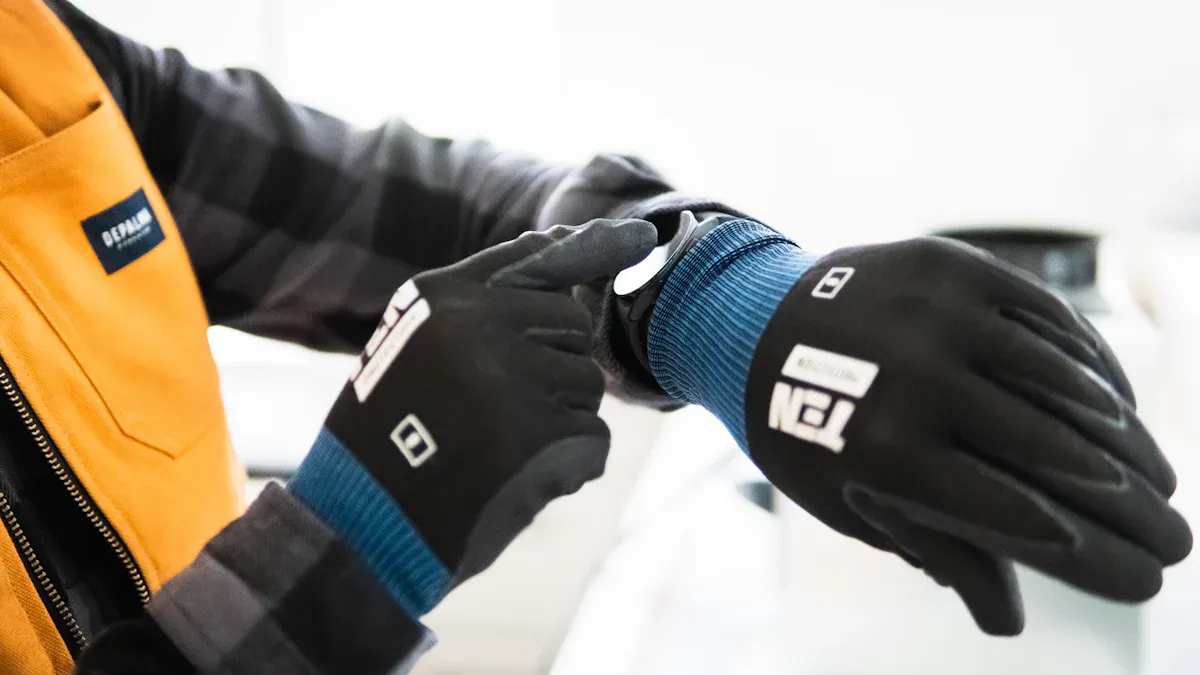
When choosing cut-resistant gloves, several key criteria come into play. These factors help ensure that users select gloves that provide the best protection, comfort, and performance. Here’s a breakdown of what to consider:
- Safety Ratings: Safety ratings are crucial for understanding how well gloves can protect against cuts. The ANSI/ISEA 105-2024 standard uses a 9-level scale (A1-A9) to indicate cut resistance. Similarly, the EN 388 standard employs a 1-5 rating system, with an alpha-identifier for comparison. This helps users make informed decisions based on their specific needs.
| Standard | Cut Level | Description |
|---|---|---|
| ANSI/ISEA 105-2024 | A1-A9 | 9-level scale indicating cut resistance. |
| EN 388 | 1-5 (A-F) | 1-5 numerical rating for cut resistance with alpha. |
- Material Composition: The materials used in cut-resistant gloves significantly impact their effectiveness. High-performance gloves often feature advanced materials like Dyneema, which is 15 times stronger than steel, and Kevlar, known for its lightweight and tough properties. Steel wire cores provide unmatched cut resistance, making them ideal for high-risk environments.
| Material | Strength Comparison | Key Features |
|---|---|---|
| Dyneema | 15 times stronger than quality steel | Lightweight, durable, high cut resistance |
| Steel Wire Core | Unmatched cut resistance | Ideal for high-risk industries |
| Kevlar | Five times stronger than steel | Tough, lightweight, excellent against cuts |
-
Comfort Features: Comfort is essential for users who wear gloves for extended periods. Features like Ansell's INTERCEPT™ Cut Resistance Technology combine synthetic and natural fibers to enhance comfort and dexterity. This blend allows for a lightweight feel while maintaining high cut resistance.
-
Performance Metrics: Performance testing provides insight into how gloves will perform in real-world situations. Metrics include cut resistance, abrasion resistance, and puncture resistance. For example, the EN388 standard measures cut resistance on a scale from Level 1 to Level 5, while ISO 13997 uses levels A to F to assess performance.
| Metric Type | Level/Rating |
|---|---|
| Cut Resistance | A1 - A9 (200g to 6000g) |
| EN388 Cut Resistance | Level 1 - Level 5 (1.2 to 20 passes) |
| ISO 13997 | Level A - Level F (2 to 30 newtons) |
| Abrasion Resistance | Level 1 - Level 4 (100 to 8000 rubs) |
| Tear Resistance | Level 1 - Level 4 (10 to 75 newtons) |
| Puncture Resistance | Level 1 - Level 4 (20 to 150 newtons) |
| Impact Resistance | Pass/Fail (under 7kN) |
- Dexterity and Grip: The design of the gloves affects dexterity and grip. Ergonomic studies show that different glove designs can impact usability scores and grip force. Gloves that balance protection with dexterity allow users to perform tasks effectively without sacrificing safety.
| Glove Type | Grip Force Impact | Usability Score | Pinch Force Effect |
|---|---|---|---|
| A | Moderate | Low | Moderate |
| B | High | Lowest | Least Positive |
| C | Least Negative | Highest | Most Positive |
| D | Least Negative | High | Positive |
By considering these criteria, users can find cut-resistant gloves that not only protect but also enhance their work experience.
Top Cut-Resistant Gloves of 2026
As industries evolve, so do the tools that keep workers safe. In 2026, several cut-resistant gloves have emerged as leaders in safety, comfort, and performance. Here’s a look at some of the top models that have received high praise from users and independent testing organizations alike.
-
Tenactiv S21TXUFN
- Cut Resistance Rating: ANSI Level A9
- Additional Features: This glove offers 360-degree cut protection, is FDA-compliant, and even works with touchscreen devices. It’s perfect for those who need both safety and functionality in their daily tasks.
-
Ergodyne ProFlex 7941
- Designed with comfort in mind, this glove uses breathable materials to reduce irritation and sweating. The TenaLux yarn enhances fit and comfort, making it a favorite among workers who wear gloves for long hours.
-
Honeywell Cut-Resistant Gloves
- Known for their durability, these gloves provide excellent cut resistance while maintaining dexterity. They are ideal for various applications, from construction to food processing.
-
3M Cut-Resistant Gloves
- These gloves combine advanced materials with ergonomic design. They offer a high level of protection without sacrificing comfort, making them suitable for both light and heavy-duty tasks.
-
Ansell HyFlex 11-840
- This model stands out for its lightweight design and high cut resistance. It’s perfect for tasks that require precision, such as assembly work in manufacturing.
Tip: When selecting cut-resistant gloves, consider the specific tasks you’ll perform. Different gloves cater to various needs, whether it’s food processing, construction, or automotive work.
Market Leaders
According to market data, several brands dominate the cut-resistant glove industry in 2026. Here are the top-selling brands:
- Honeywell International Inc.
- 3M Company
- Kimberly-Clark Worldwide Inc.
- W.W. Grainger Inc.
- Bunzl Processor Division
- Midas Safety Inc.
- Ansell Limited
- Magid Glove and Safety Manufacturing Company LLC
- Delta Plus Group
- Towa Corporation
- Superior Glove Works Ltd.
- Wells Lamont Industrial LLC
- Globus Group
- Dexter Russell Inc.
- Forney Industries Inc.
- Mechanix Wear LLC
- Bob Dale Gloves and Imports Limited
- MCR Safety Inc.
- Stalsen
- Stark Safe
- UVEX WINTER HOLDING LLC
Price Ranges
When considering cut-resistant gloves, price can vary significantly based on the level of protection offered. Here’s a breakdown of the price ranges for leading models:
| Price Range | Level of Protection |
|---|---|
| $5 to $10 | Basic options with minimal protection |
| $10 to $20 | Mid-range options for general use |
| $20 to $50 | High-end gloves with maximum protection |
Performance Insights
Real-world testing shows that cut-resistant gloves perform differently based on their design and materials. Edge testing simulates workplace conditions, assessing how well gloves resist cuts when exposed to sharp edges. Factors like outer coating and liner gauge play a crucial role in determining a glove's effectiveness.
Some gloves prioritize cut resistance, while others also protect against impacts and abrasions. This variety highlights the importance of selecting gloves based on specific job requirements.
Common Complaints
Despite advancements, users often report issues with cut-resistant gloves. Discomfort from traditional materials can lead to irritation and sweating. However, models like the Ergodyne ProFlex 7941 address these concerns with breathable materials and a comfortable design.
Detailed Reviews of Cut Resistant Gloves

When it comes to cut resistant gloves, finding the right pair can make all the difference. Here’s a closer look at some popular options and what users say about them.
Key Features to Consider
Experts highlight several important features when reviewing cut resistant gloves:
- Matching the glove's cut resistance level to the specific task is crucial.
- Materials like synthetic polyester, nylon, Dyneema, Kevlar, and metal mesh play a significant role in performance.
- A proper fit ensures comfort and safety, encouraging regular use.
Pros and Cons of Different Types of Gloves
| Type of Gloves | Pros | Cons |
|---|---|---|
| Safety Gloves | Very comfortable, cheap, can use on either hand, not too hot | Wood chips get stuck, not puncture proof, fray over time, less dexterity |
| Metal Mesh Gloves | Highly slash resistant, very durable, adjustable wrist strap, affordable versions | Can get expensive, sold per glove, less comfortable, less dexterity |
| Shop Gloves | Available everywhere, cheap, various styles | Not rated for slash resistance, not puncture proof, may not last long |
| Finger Guards | Cheap, covers specific fingers, high dexterity, portable | Can be loose, not stab resistant, limited coverage |
| Athletic Tape | Affordable, comfortable, customizable, high dexterity | Not puncture resistant, can get dirty easily |
User Experiences
Many users appreciate the comfort and affordability of safety gloves. However, they often mention issues like wood chips getting stuck and reduced dexterity. On the other hand, metal mesh gloves offer excellent protection but can be pricier and less comfortable. Shop gloves are widely available and budget-friendly, but they lack the necessary ratings for cut resistance.
User Recommendations for Cut Resistant Gloves
When it comes to choosing cut resistant gloves, professionals in high-risk industries have some clear favorites. They often recommend gloves that offer a blend of safety, comfort, and flexibility. Here are some key features that users prioritize:
- Excellent cut resistance: Level 5 gloves provide the highest level of cut resistance, ensuring safety against sharp objects.
- Greater dexterity and flexibility: These gloves allow for maximum finger movement, enabling precision in delicate tasks.
- Longevity and durability: Made from tough materials, they resist abrasions and tears, ensuring long-lasting use.
- Versatility across multiple industries: Suitable for metalworking, construction, automotive, and glass handling, among others.
- Adherence to safety standards: They meet EN388/CE standards, ensuring rigorous testing for cut resistance.
Users also have specific factors they consider when recommending cut resistant gloves. Here’s what they typically look for:
- User Comfort and Dexterity: Ensuring users can perform tasks effectively while wearing gloves.
- Protection Levels: Understanding the specific hazards and required cut resistance.
- Material Considerations: Choosing appropriate materials based on workplace hazards.
By focusing on these aspects, users can find gloves that not only protect but also enhance their work experience. Remember, the right pair of cut resistant gloves can make all the difference in safety and efficiency on the job!
In 2026, the best cut-resistant gloves combine safety, comfort, and performance. Many top models use Ultra-high-molecular-weight polyethylene (UHMWPE), which is lightweight and flexible. Understanding cut resistance ratings, like the ANSI/ISEA 105-2016 scale, helps users choose the right gloves. Remember, hand injuries account for over 23% of workplace injuries, often due to inadequate protection. Investing in quality gloves not only enhances safety but also boosts productivity. As technology advances, expect even better options that prioritize both protection and comfort. 🧤✨
0users like this.