
news
A3 Cut Resistant Gloves What Makes Them a Smart Choice
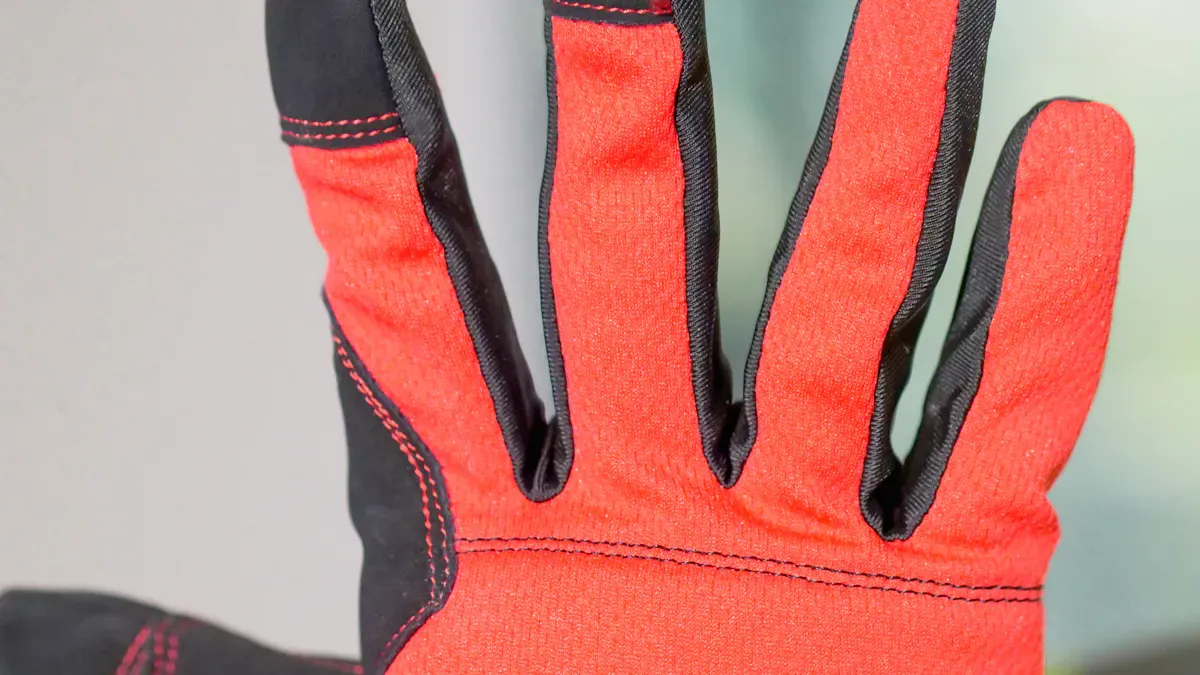
A3 cut resistant gloves provide excellent protection against cuts and injuries, making them a must-have in many workplaces. In fact, in 2018, there were 123,990 reported hand injuries, with 51,130 of those due to cuts and lacerations. This statistic highlights how crucial it is to prioritize hand safety.
These gloves are essential in industries like construction and manufacturing, where sharp tools and materials are commonplace. By understanding the features and benefits of A3 cut resistant gloves, employers can significantly enhance workplace safety and reduce injury risks.
Key Takeaways
- A3 cut resistant gloves significantly reduce the risk of hand injuries in workplaces, making them essential for safety.
- These gloves are made from high-quality materials like HPPE and nitrile, providing durability, comfort, and dexterity.
- Understanding the A3 cut resistance rating helps employers choose the right gloves for specific tasks, ensuring adequate protection.
- Using A3 gloves enhances workplace safety, boosts employee confidence, and can lead to long-term cost savings by reducing injury-related expenses.
- Selecting the right A3 gloves involves considering factors like material, thickness, and fit to ensure maximum protection and comfort.
What Are A3 Cut Resistant Gloves?
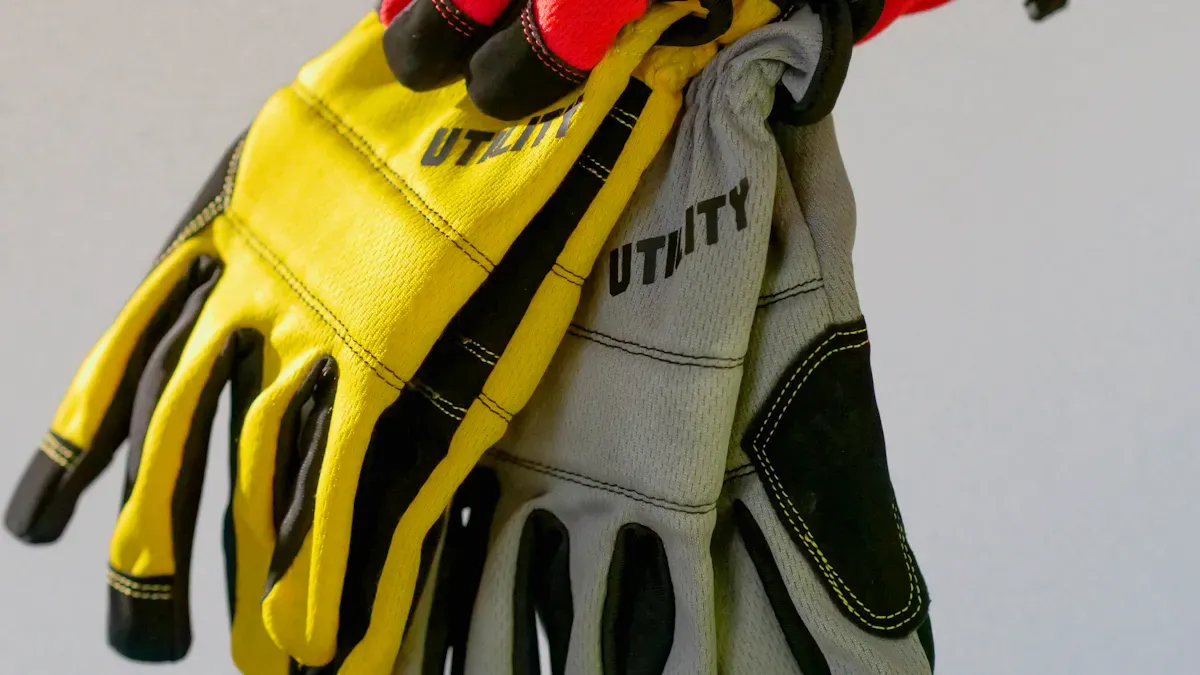
A3 cut resistant gloves are specialized safety gear designed to protect hands from cuts and lacerations. These gloves are essential in various industries where sharp tools and materials are common. Workers in construction, manufacturing, and food processing often rely on these gloves to keep their hands safe while performing tasks that involve handling sharp objects.
Materials Used in A3 Cut Resistant Gloves
The effectiveness of A3 cut resistant gloves largely depends on the materials used in their construction. Here are some common materials and their properties:
| Material | Properties |
|---|---|
| Nitrile Coating | Excellent grip and resistance to oils and chemicals |
| HPPE (High-Performance Polyethylene) | Lightweight, strong fiber providing significant cut resistance |
| Dyneema | Known for strength and cut resistance while being lightweight |
These materials work together to provide a balance of protection, comfort, and dexterity. This means that workers can perform their tasks without sacrificing safety.
How A3 Cut Resistance is Rated
The A3 cut resistance rating is determined through rigorous testing according to industry standards. The process involves using a machine called a tomodynamometer, which pulls a blade across the glove’s surface under various loads. Here’s a breakdown of how this testing works:
| Test Used | Description |
|---|---|
| ASTM F2292-15 | A machine known as a tomodynamometer pulls a blade across a glove’s surface under varied loads. |
| Measurement Method | The weight needed to cut through is measured, with samples cut five times at three different loads. |
| Result | An average is calculated, resulting in a cut score ranging from A1 to A9. |
This rating system helps employers choose the right gloves for their specific needs, ensuring that workers have the appropriate level of protection.
Industries That Use A3 Cut Resistant Gloves
A3 cut resistant gloves find applications in several industries. Here’s a look at where they are most frequently used:
| Industry | Application Description |
|---|---|
| Construction | Workers often handle sharp materials, benefiting from gloves that prevent cuts and abrasions. |
| Material Handling | Managing sharp-edged items, ensuring safety during transportation and storage. |
| Small Parts Assembly | Working with small components that may have sharp edges, enhancing safety during assembly. |
These gloves are crucial for maintaining safety standards in environments where hand injuries are a risk.
Comparing A3 Cut Resistant Gloves to Other Levels
A3 cut resistant gloves offer a specific level of protection compared to other cut resistance levels. Here’s a quick comparison:
| Cut Level | Cutting Force (grams) |
|---|---|
| A1 | 200 |
| A2 | 500 |
| A3 | 1000 |
| A4 | 1500 |
| A5 | 2200 |
| A6 | 3000 |
| A7 | 4000 |
| A8 | 5000 |
| A9 | 6000 |
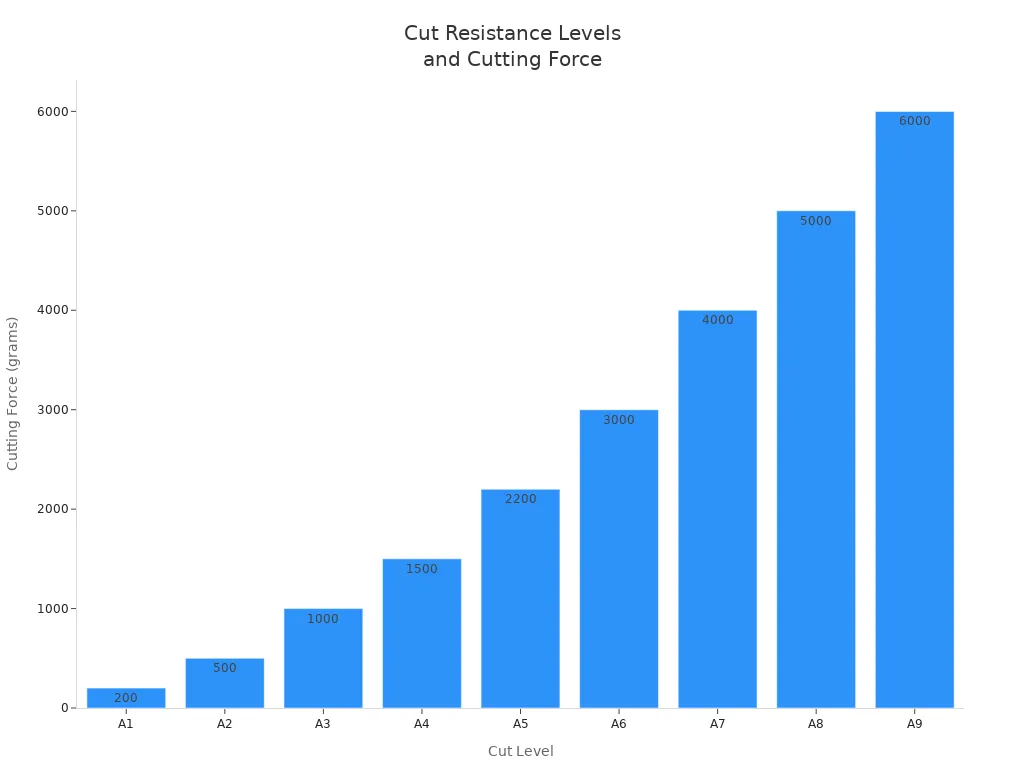
A3 cut resistant gloves are suitable for light-duty tasks requiring dexterity. They protect against minor cuts and scrapes, making them a smart choice for many workers.
Key Features of A3 Cut Resistant Gloves
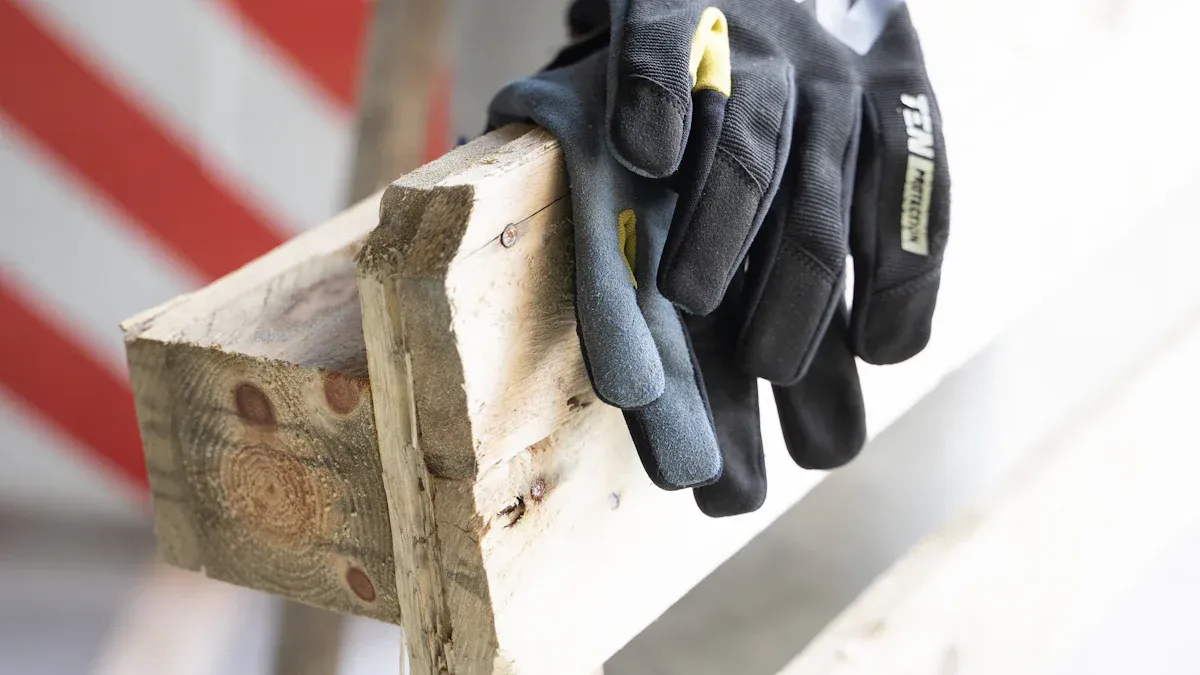
A3 cut resistant gloves come packed with features that make them a smart choice for various industries. Here’s a closer look at what sets them apart:
-
Durability: A3 gloves are made from high-quality materials that provide superior strength and cut resistance. This durability is essential for repeated use in tough environments, ensuring that they can withstand the rigors of daily tasks.
-
Comfort: These gloves strike a balance between protection and comfort. They are lightweight and breathable, allowing workers to wear them for extended periods without discomfort. This feature is crucial for maintaining productivity during long shifts.
-
Dexterity: A3 cut resistant gloves offer high dexterity, making them suitable for tasks that require fine motor skills. Workers can handle small components or perform intricate tasks without feeling restricted. The materials used, like HPPE and Dyneema®, enhance both comfort and dexterity, allowing for seamless movement.
-
Enhanced Grip: Many A3 gloves feature specialized coatings, such as nitrile or polyurethane, that improve grip. This enhanced grip helps workers maintain control over tools and materials, reducing the risk of accidents.
-
Breathability: Moisture-wicking properties keep hands dry and comfortable, even during intense work. This feature is particularly important in environments where sweat can lead to slippage or discomfort.
Here’s a quick comparison of A3 cut resistant gloves with other glove types regarding dexterity and comfort:
| Glove Type | Cut Resistance Level | Dexterity | Comfort |
|---|---|---|---|
| A3 | Light to Medium | High | High |
| A4+ | Medium to Heavy | Moderate | Moderate |
These features make A3 cut resistant gloves an excellent choice for various industrial applications. They provide a medium level of protection against sharp objects and blades, making them ideal for environments where workers encounter sharp edges or abrasive materials.
Understanding Cut Levels and Safety Standards
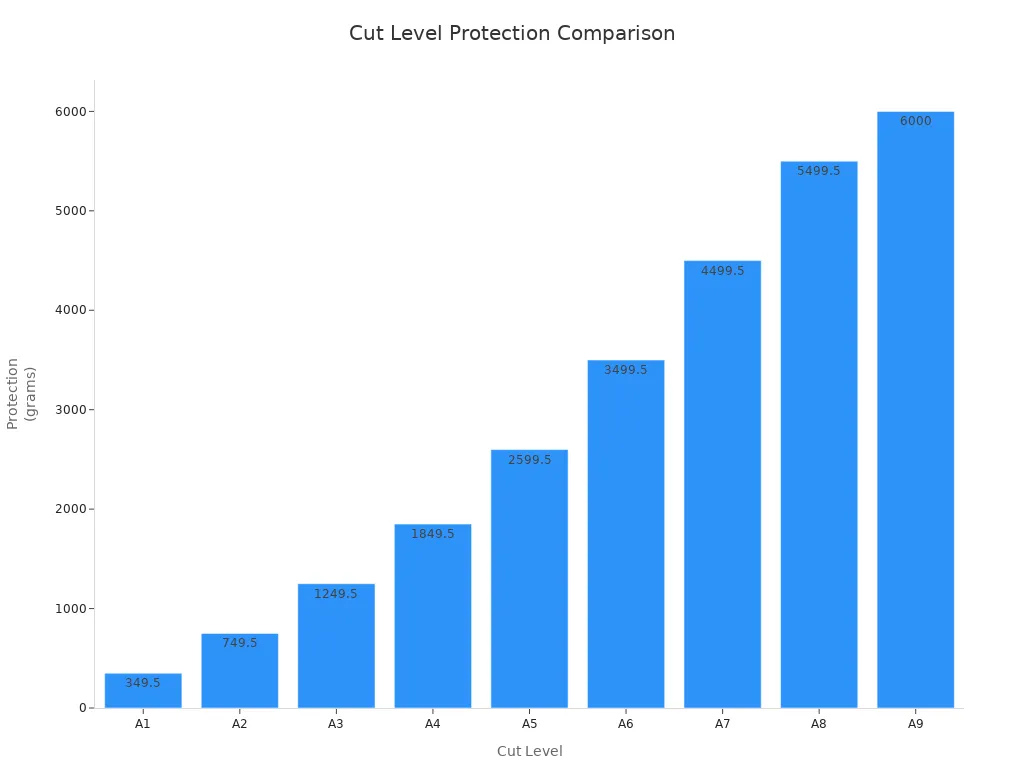
When it comes to cut-resistant gloves, understanding cut levels and safety standards is crucial. These ratings help users choose the right gloves for their specific tasks. The ANSI/ISEA 105 cut rating system classifies gloves from A1 to A9, with A1 offering the least protection and A9 providing the most.
Cut Levels Explained
Here's a quick overview of the cut levels and their applications:
| Cut Level | Protection (grams) | Application Examples |
|---|---|---|
| A1 | 200 - 499 | Light cut hazards |
| A2 | 500 - 999 | Light to medium cut hazards |
| A3 | 1000 - 1499 | Light to medium cut protection |
| A4 | 1500 - 2199 | Medium cut hazards |
| A5 | 2200 - 2999 | Medium to heavy cut hazards |
| A6 | 3000 - 3999 | High cut hazards |
| A7 | 4000 - 4999 | High cut hazards |
| A8 | 5000 - 5999 | High cut protection |
| A9 | 6000+ | High cut hazards |
- Light Duty (A1 - A3): Suitable for tasks like opening cardboard boxes and general assembly.
- Medium Duty (A4 - A6): Ideal for handling sheets of glass and general construction work.
- Heavy Duty (A7 - A9): Used for meat processing and handling sharp machinery parts.
Safety Standards
In North America, the ANSI (American National Standards Institute) governs cut-resistant gloves. In Europe, the EN388 standard applies. These standards ensure that gloves meet specific safety requirements. Here’s a comparison of the two:
| Standard | Region | Description |
|---|---|---|
| ANSI | North America | Provides cut resistance levels and guidelines for glove selection. |
| EN388 | Europe | Indicates abrasion, blade, tear, and puncture resistance. |
A3 cut-resistant gloves fall under the ANSI/ISEA 105 standard, providing medium cut protection. They are perfect for tasks in automotive manufacturing and construction, where workers face moderate risks of cuts.
By understanding these cut levels and safety standards, employers can make informed decisions about the gloves they provide, ensuring their workers stay safe on the job.
Benefits of Using A3 Cut Resistant Gloves
A3 cut resistant gloves offer numerous benefits that enhance safety and efficiency in the workplace. Here are some key advantages:
-
Cut Resistance: These gloves significantly reduce the risk of cuts and injuries from sharp equipment. This protection is especially vital in food processing environments, where workers often handle knives and other sharp tools.
-
Water and Oil Resistance: A3 gloves protect hands from moisture and harmful substances. This feature ensures hygiene during food handling. Additionally, they provide a secure grip on greasy materials, preventing slips and accidents during food preparation.
-
Wound Protection: A3 cut resistant gloves shield against cuts and punctures. This protection is crucial when handling sharp tools and equipment, allowing workers to focus on their tasks without fear of injury.
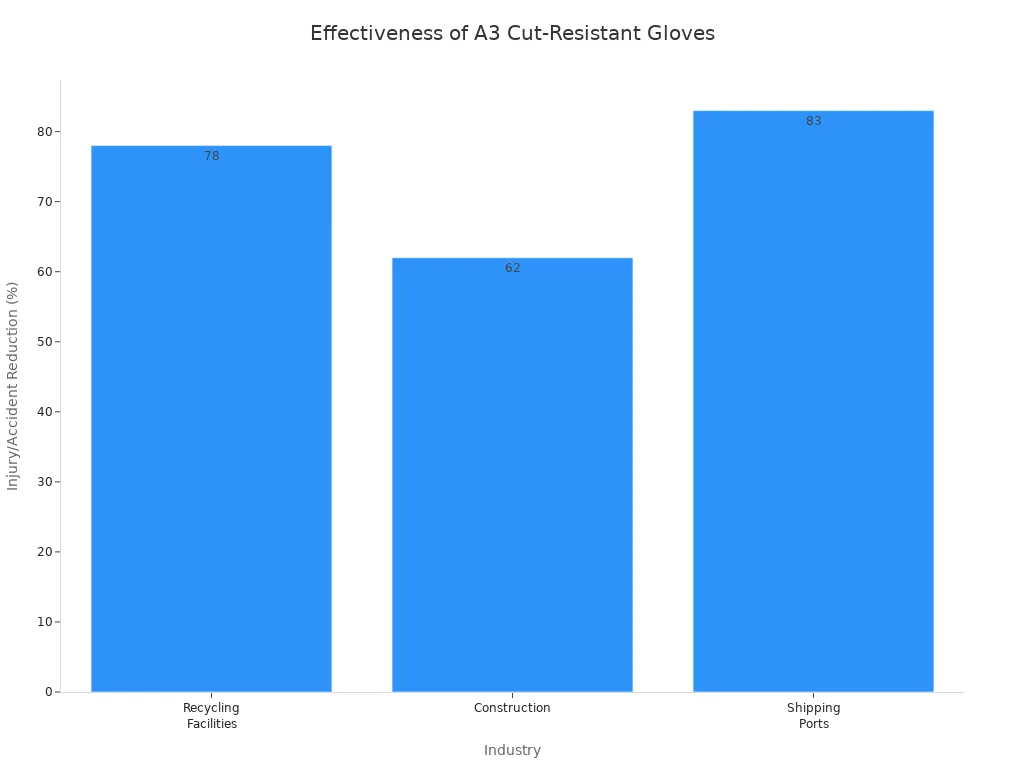
By minimizing the risk of cuts and injuries, A3 cut resistant gloves enhance safety in various work environments. They are designed to withstand 1000-1499 grams of force to cut, which significantly reduces the likelihood of injuries in workplaces where sharp tools are prevalent.
Moreover, providing employees with A3 cut resistant gloves signals that their safety is a priority for the organization. This commitment fosters trust among employees, enhancing their confidence and morale. When workers feel safe, they can focus better on their tasks, leading to a more productive work environment.
Selecting the Right A3 Gloves for Your Needs
Choosing the right A3 cut resistant gloves can make a big difference in safety and comfort. When selecting gloves, consider several factors that directly impact their effectiveness. Here’s a handy list of what to look for:
- Material: The type of material affects both cut resistance and comfort.
- Thickness: Thicker gloves offer more protection but may reduce dexterity.
- Weave: The weave pattern influences flexibility and cut resistance.
- Coating: Different coatings enhance grip and abrasion resistance.
- Comfort: Ensure the gloves can be worn for long periods without discomfort.
- Dexterity: Important for tasks that require fine motor skills.
- Flexibility: Affects how easily you can move your hands while wearing the gloves.
- Abrasion Resistance: Essential for tasks involving rough materials.
- Cost: Budget considerations may influence your choice.
| Factor | Description |
|---|---|
| Material | The type of material used affects cut resistance and comfort. |
| Thickness | Thicker gloves may offer more protection but can reduce dexterity. |
| Weave | The weave pattern can influence the glove's flexibility and cut resistance. |
| Coating | Different coatings can enhance grip and abrasion resistance. |
| Comfort | Ensures the gloves can be worn for extended periods without discomfort. |
| Dexterity | Important for tasks requiring fine motor skills. |
| Flexibility | Affects the ease of movement while wearing the gloves. |
| Abrasion Resistance | Important for tasks involving rough materials. |
| Cost | Budget considerations may influence glove selection. |
Proper glove sizing is also crucial. Ill-fitting gloves can lead to reduced dexterity and compromised protection. Make sure to measure your hands and refer to the sizing guide provided by the manufacturer.
Lastly, consider environmental factors. Moisture can reduce cut resistance, while cold temperatures can stiffen glove materials. Always store gloves in a clean, dry place to maintain their durability.
By keeping these factors in mind, you can select the right A3 cut resistant gloves that meet your specific needs and ensure safety on the job.
A3 cut-resistant gloves are a vital investment for workplace safety. They significantly reduce the risk of injuries, leading to a safer work environment. Here are some long-term benefits of using these gloves:
| Benefit | Explanation |
|---|---|
| Reduced workplace injuries | Investing in cut-resistant gloves minimizes the risk of hand injuries, leading to a safer work environment. |
| Increased productivity | By preventing injuries, these gloves help maintain consistent production levels, reducing downtime. |
| Improved employee confidence | Workers feel safer and more valued, which boosts morale and engagement in their tasks. |
| Long-term cost savings | Preventing injuries reduces medical costs and workers' compensation claims, leading to financial savings. |
| Strengthened safety culture | A commitment to safety fosters a culture where employees take responsibility for their own safety. |
By prioritizing hand protection, organizations can create a safer and more productive work environment. A3 cut-resistant gloves not only protect workers but also enhance overall safety culture, making them an essential choice for various applications.
0users like this.
