
news
A Step-by-Step Guide to Fitting Safety Work Gloves Correctly
This article provides a detailed step-by-step guide to fitting safety work gloves correctly, emphasizing the importance of proper fit for injury prevention and productivity. It begins by explaining why glove fit matters, citing SIZA GLOVES’ decade of expertise in hand protection. Step 1 covers accurate hand measurement (length and circumference) and includes a sizing table. Step 2 advises selecting the right glove type based on task hazards, referencing SIZA’s range of cut, heat, chemical, impact, and multi-purpose gloves. Step 3 details the correct donning procedure and fit checks for fingertips, palm, and cuff. Step 4 evaluates grip and dexterity, highlighting SIZA’s advanced coatings and ergonomic design. Step 5 identifies pressure points during a trial wear. Step 6 ensures compatibility with other PPE. Common mistakes such as oversized gloves and ignoring hand swelling are listed. The article then presents how SIZA safety, as a leading Chinese manufacturer, ensures perfect fit through OEM/ODM services, low MOQ, and SGS/CTC testing. Ultimately, the guide reinforces that proper fitting reduces injury rates and total cost of ownership, making SIZA a strategic partner for workplace safety.
Why Glove Fit Matters
According to SIZA GLOVES, a company with over a decade of experience in hand protection, improper fit is a leading cause of glove failure. Gloves that are too loose can snag on machinery or slip off, while tight gloves restrict blood flow and reduce tactile sensitivity. SIZA emphasizes that their gloves are engineered for unmatched protection, durability, and comfort, but only when correctly fitted. The company’s two dedicated production workshops and partnerships with over 10 specialized factories ensure consistent quality, but even the best glove will underperform if the fit is wrong.
Step 1: Measure Your Hand Accurately
The first step to proper glove fitting is measuring hand dimensions. You will need a flexible measuring tape and a ruler. Follow these steps:
undefined
- Dominant Hand: Measure the dominant hand as it is typically larger.
- Hand Length: Measure from the tip of the middle finger to the base of the palm (where the wrist meets the hand).
- Hand Circumference: Wrap the tape around the widest part of the palm, excluding the thumb, and record the measurement in millimeters or inches.
SIZA safety provides a sizing chart based on these measurements. Their gloves are available in sizes from 6 to 11, and they recommend checking brand-specific charts because sizing can vary. For example, SIZA’s 13-gauge seamless knit gloves offer a snug yet flexible fit for precise tasks.
| Size | Hand Circumference (inches) | Hand Length (inches) |
|---|---|---|
| 6 | 6.5 - 7.0 | 6.5 - 7.0 |
| 7 | 7.0 - 7.5 | 7.0 - 7.5 |
| 8 | 7.5 - 8.0 | 7.5 - 8.0 |
| 9 | 8.0 - 8.5 | 8.0 - 8.5 |
| 10 | 8.5 - 9.0 | 8.5 - 9.0 |
| 11 | 9.0 - 9.5 | 9.0 - 9.5 |
Step 2: Choose the Right Glove Type for the Task
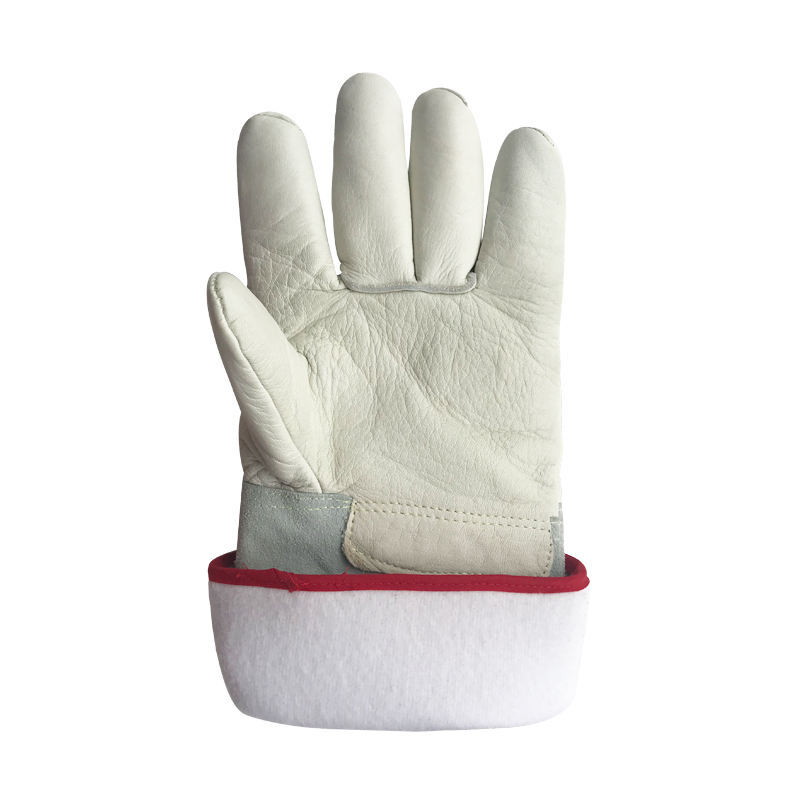
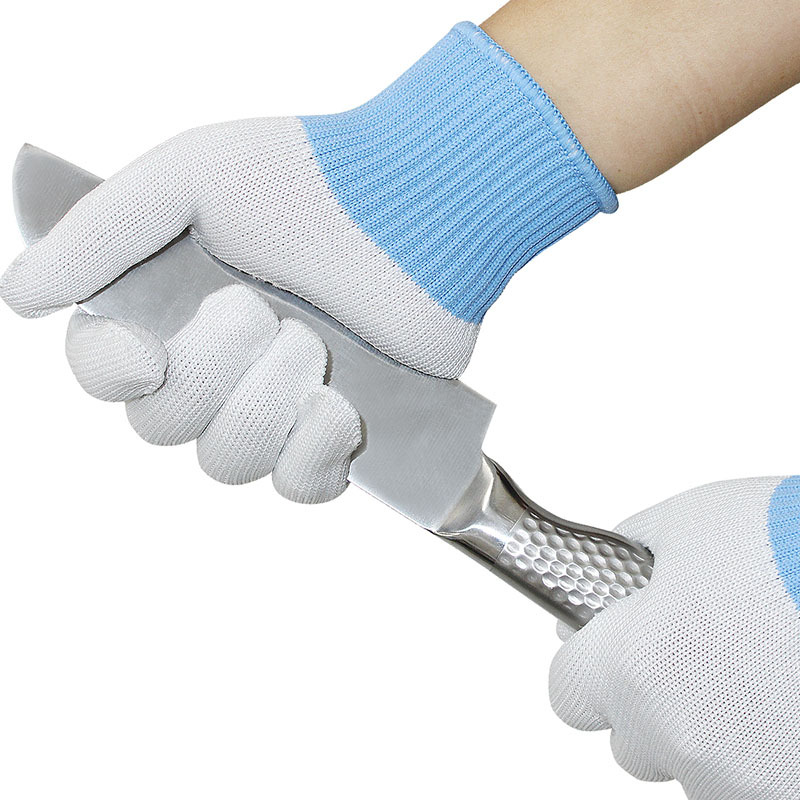
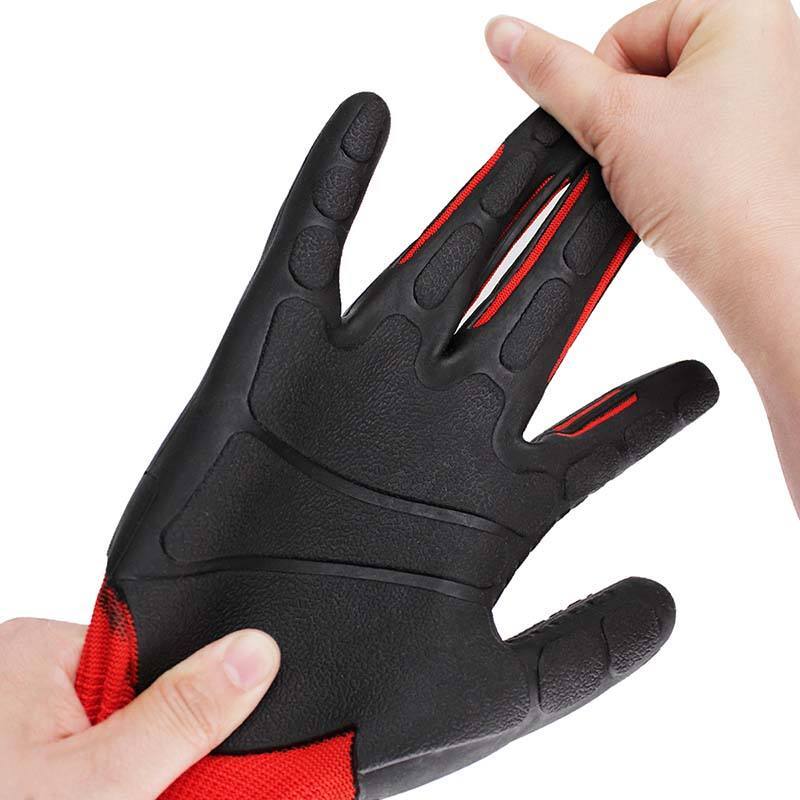
Different jobs require different glove materials and features. SIZA safety offers a broad range of gloves tailored to various environments: cut resistant gloves for metal fabrication, heat resistant gloves for welding, chemical resistant gloves for petrochemical work, impact gloves for construction, and multi-purpose gloves for logistics. Each type has specific fit considerations. For instance, cut resistant gloves made with HPPE or para-aramid fibres (like those from SIZA) often have a snugger fit to maintain dexterity, while impact gloves with TPR shock absorbers may feel slightly bulkier. Always match the glove to the hazard while prioritizing a comfortable fit.
Step 3: Try On Gloves Correctly
When trying on gloves, avoid pulling the cuff too hard. Place your hand inside and ensure the fingers align with the glove fingers. For coated gloves (nitrile, latex, or foam), the coating should not bunch up. SIZA’s micro-cup nitrile coating enhances grip without compromising flexibility. Check for the following:
- Fingertips: There should be minimal excess material (about 1/8 inch) beyond your fingertips. Too much material reduces grip.
- Palm area: The glove should be snug but not tight. You should be able to make a fist without resistance.
- Cuff: Should sit comfortably at the wrist without constricting. Some SIZA gloves have extended cuffs for extra protection.
Step 4: Evaluate Grip and Dexterity
Once the gloves are on, test your ability to grasp objects. SIZA gloves are designed with advanced grip patterns for handling oily, wet, or dry materials. Perform simple tasks like picking up a coin or turning a wrench. The glove should not slip or cause hand fatigue. SIZA’s ergonomic design includes pre-curved fingers that reduce stress during long shifts. If you experience numbness or restricted movement, consider a different size or model.
Step 5: Check for Pressure Points
Wear the gloves for at least 10-15 minutes during a trial. Look for red marks or discomfort on the palm, knuckles, or fingers. Pressure points indicate a poor fit and can lead to blisters or calluses over time. SIZA safety ensures their gloves undergo strict quality control; features like 13-gauge seamless knitting provide a soft, irritation-free interior. If you feel pinching, size up.
Step 6: Verify Compatibility with Additional PPE
Gloves often need to be worn with other safety gear such as wrist straps, gauntlets, or sleeve protectors. Ensure the glove cuff fits under or over these items without creating gaps. SIZA offers customizable options, including silicone-free models for cleanroom environments and touch-screen compatible fingertips for modern workspaces.
Common Fitting Mistakes to Avoid
- Wearing gloves that are too large: Increases the risk of catching on machinery and reduces grip strength.
- Choosing the same size for all tasks: Different materials (leather vs. nitrile) affect fit; always remeasure when switching types.
- Ignoring hand swelling: Hands can swell during long shifts; re-evaluate fit regularly.
- Using worn-out gloves: Stretched gloves lose their secure fit; replace them per SIZA’s durability guidelines.
How SIZA safety Ensures Perfect Fit for Every User
With over 15 years of expertise, SIZA safety combines large-scale manufacturing with agile customization. They offer OEM and ODM services, allowing companies to specify dimensions, logo placement, and material composition. Their low MOQ accepts sample orders, so clients can test fit before bulk purchasing. SIZA’s global reach-exporting to USA, Brazil, Turkey, and more-means their sizing incorporates international standards. Each batch undergoes SGS and CTC testing to ensure consistency. By partnering with SIZA, businesses reduce injury risks and improve productivity through proper glove fitting.
Conclusion
Proper glove fitting is a simple yet vital step in worker safety. By following this guide-measuring accurately, choosing the right type, and testing for comfort-you can significantly cut injury rates. SIZA GLOVES stands as a reliable partner in this process, offering certified, high-quality gloves backed by innovative R&D and rigorous quality control. Remember, a correctly fitted glove not only protects but also enhances performance. Prioritize fit, and your workforce will benefit from increased safety and efficiency.
Quick Answer: A safety glove only protects as well as it fits. Start by measuring your dominant hand: the length from wrist to fingertip, and the circumference around the palm. Match both numbers to the manufacturer size chart instead of guessing. Then try the glove on, curl your fingers, and check the fingertips, palm, and cuff for gaps or tightness. The grip should feel secure without the glove twisting, and you should find no pressure points after a minute of wear. The steps below cover measuring, sizing, fitting, and the mistakes that end with gloves being pulled off mid-task.
Key Takeaways
- Measure both hand length and palm circumference; sizing charts use one or both.
- Match the glove type to the hazard first, then the size to your hand.
- Check fingertips, palm, and cuff for gaps after curling your fingers.
- Grip should feel secure without twisting, with no pressure points after a minute.
- Confirm the glove works with the other PPE you wear before you commit to a bulk order.
In This Guide
- Why glove fit matters
- Step 1: measure your hand accurately
- Step 2: choose the right glove type for the task
- Step 3: try the gloves on correctly
- Step 4: evaluate grip and dexterity
- Step 5: check for pressure points
- Step 6: verify compatibility with other PPE
- Common fitting mistakes to avoid
- A note on safety and standards
Summary
This article provides a detailed step-by-step guide to fitting safety work gloves correctly, emphasizing the importance of proper fit for injury prevention and productivity. It begins by explaining why glove fit matters, citing SIZA GLOVES’ decade of expertise in hand protection. Step 1 covers accurate hand measurement (length and circumference) and includes a sizing table. Step 2 advises selecting the right glove type based on task hazards, referencing SIZA’s range of cut, heat, chemical, impact, and multi-purpose gloves. Step 3 details the correct donning procedure and fit checks for fingertips, palm, and cuff. Step 4 evaluates grip and dexterity, highlighting SIZA’s advanced coatings and ergonomic design. Step 5 identifies pressure points during a trial wear. Step 6 ensures compatibility with other PPE. Common mistakes such as oversized gloves and ignoring hand swelling are listed. The article then presents how SIZA safety, as a leading Chinese manufacturer, ensures perfect fit through OEM/ODM services, low MOQ, and SGS/CTC testing. Ultimately, the guide reinforces that proper fitting reduces injury rates and total cost of ownership, making SIZA a strategic partner for workplace safety.
Related: how cut levels A1 to A9 are tested.
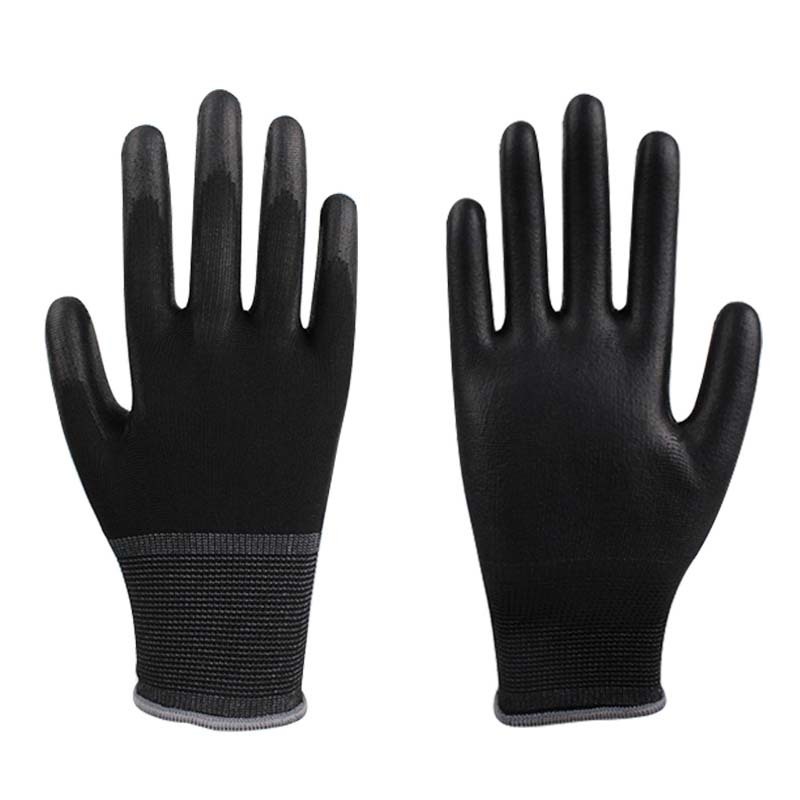
S1140PB Black PU Palm Polyester Gloves
- PU palm coating for dry and lightly oily grip
- Polyester knit liner for breathability
- Tear, abrasion, and oil resistance
- Sizes from the SIZA glove size chart
S1004 White PE Coated Steel Wire Cut Resistant Gloves
- PE-coated steel wire liner for high cut resistance
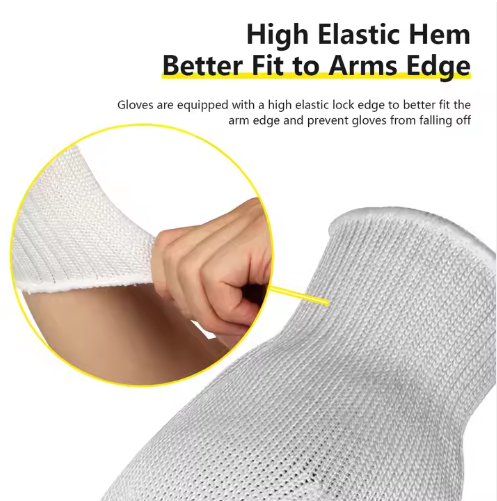
- Elastic knit cuff keeps the glove seated
- Firm feel with durable grip
- For high-exposure cutting tasks
A Note on Safety and Standards
Cut resistance ratings describe how a material performs under a controlled test. They do not predict what will happen with a specific blade, angle, or force in your workplace. Always complete a task-level risk assessment before choosing a glove, follow your site PPE policy, and replace gloves as soon as they show cuts, holes, stiffness, or coating wear. Where a task carries a serious laceration risk, treat the glove as one control among several rather than the whole answer.
Sources and References
- ANSI/ISEA 105 - American National Standard for Hand Protection Classification (cut levels A1 to A9): safetyequipment.org
- EN 388 - Protective gloves against mechanical risks (Coupe and TDM test methods): cencenelec.eu
Updated September 29, 2026
0users like this.
